
Eye diseases in dachshunds
Is your dachshund blinking more often than usual, has watery eyes, or rubbing their face against the carpet? Learn how to recognize eye problems in dachshunds, what signs to watch for day to day, and when an urgent vet visit is necessary.
Why are Dachshunds prone to eye diseases?
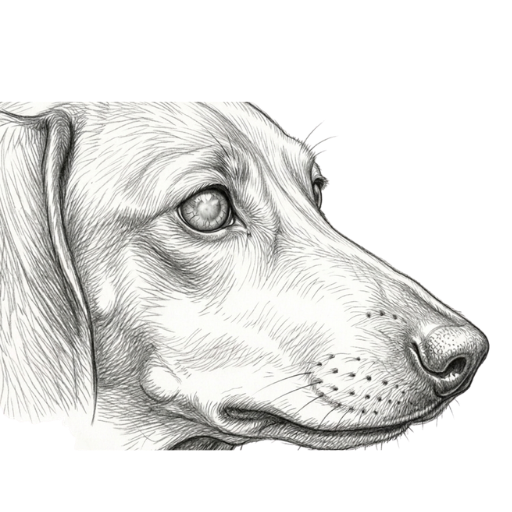
Dachshunds have a specific skull and eye structure that makes them more prone to eye problems than many other breeds. Their large, expressive eyes sit in a relatively flat facial structure, which means the cornea is more exposed to dust, grass, and other irritants—especially in a dog whose head stays so close to the ground.
On top of that, Dachshunds have a genetic predisposition to cataracts and glaucoma, and miniature Dachshunds are also more likely to develop lens luxation. Eye conditions in Dachshunds often develop slowly and without pain in the early stages, which makes them easy to miss.
Important: Eye conditions in dachshunds rarely go away on their own. Untreated cataracts can lead to blindness, while untreated glaucoma can cause permanent damage to the optic nerve. Early diagnosis is crucial for protecting your dog’s vision.
Most Common Eye Diseases in Dachshunds
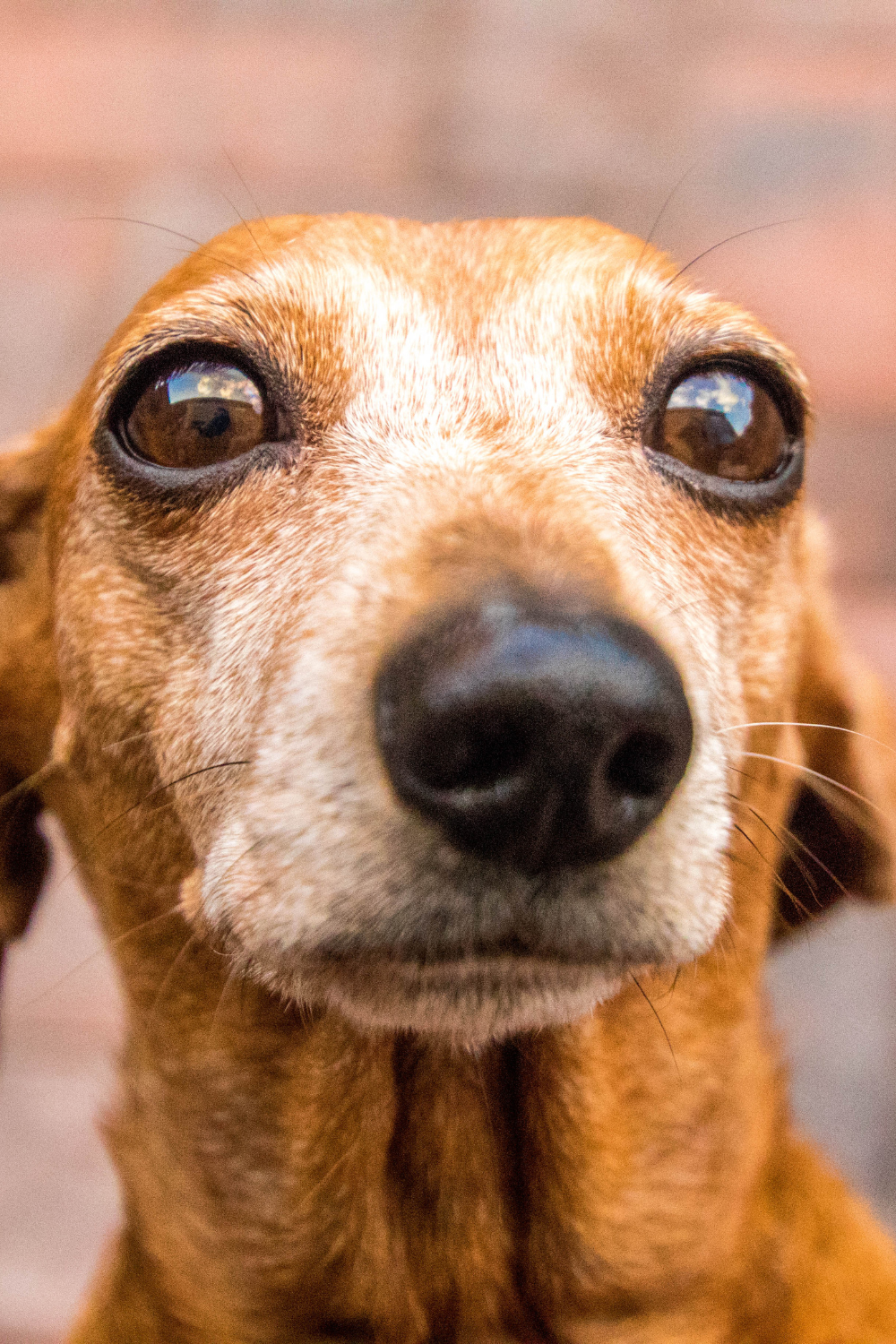
Understanding what you’re dealing with is half the battle. Here are the conditions dachshunds are most prone to:
Cataracts
Glaucoma
Keratoconjunctivitis Sicca (KCS)
Lens luxation
Lens luxation is the displacement of the lens from its normal position — it can be partial (subluxation) or complete. In miniature dachshunds, it is a hereditary condition and one of the most significant ophthalmic problems in the breed. A displaced lens can block the flow of aqueous fluid and trigger secondary glaucoma.
Symptoms:
- Sudden redness of the eye
- Visible edge of the lens within the pupil
- Pain, excessive blinking, tearing
- Sudden decline or loss of vision
What to do:
Lens luxation requires urgent ophthalmic intervention. If the lens has moved into the front chamber of the eye, surgical removal is usually necessary. Owners of miniature dachshunds should consider early screening for this condition in young dogs.
Entropion and Distichiasis
Entropion is a congenital or acquired inward rolling of the eyelid, causing the eyelashes and skin to rub against the cornea with every blink. Distichiasis, on the other hand, is the presence of extra eyelashes growing from abnormal locations on the eyelid margin, which also irritate the surface of the eye.
Symptoms:
- Chronic tearing
- Redness and swelling of the conjunctiva
- Frequent blinking and squinting
- Visible pawing or rubbing of the eye
What to do:
Entropion is treated surgically by correcting the eyelid position. Distichiasis requires removal of the abnormal eyelashes, typically through electroepilation or cryosurgery. If left untreated, both conditions can lead to corneal ulcers.
How to Recognize Eye Problems in Dachshunds
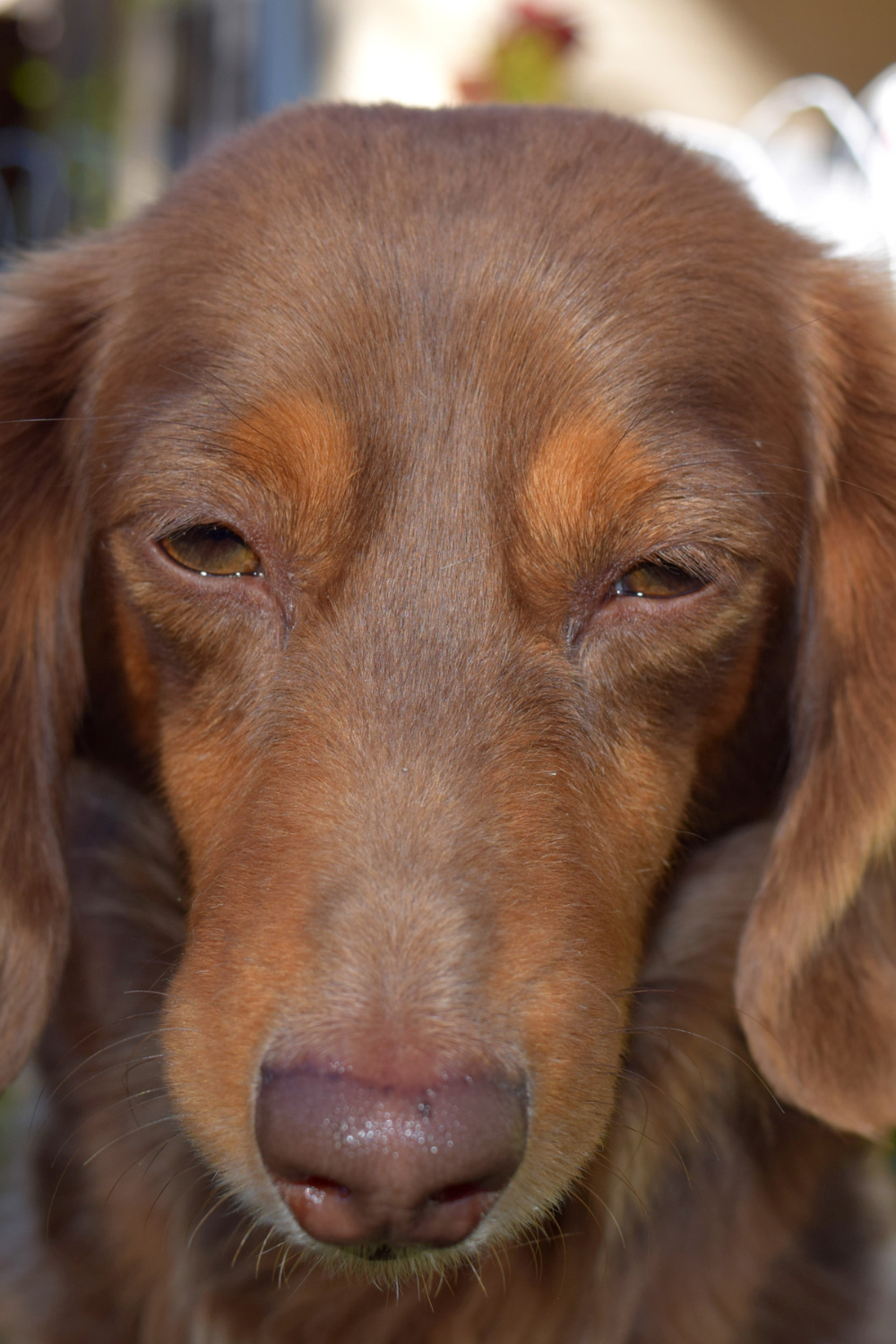
In dachshunds, eye diseases rarely start with dramatic symptoms. Look out for these early warning signs:
Tearing and discharge – Normal discharge is clear or slightly brownish. Thick, yellow, green, or mucus-like discharge is a warning sign.
Redness of the white part of the eye (sclera) – Visible red veins or an overall pinkish-red appearance of the eye white.
Corneal or lens cloudiness – A greyish-blue haze, or a cloudy/milky appearance of the cornea or lens.
Increased blinking or squinting – The dog blinks more than usual or cannot fully open one eye.
Eye rubbing – The dog rubs its face on carpets, furniture, or scratches the eye with its paw.
Behavior changes – Hesitation on stairs, disorientation in low light, or bumping into objects.
Eye asymmetry – One eye looks larger, more protruding, or positioned differently than the other.
Practical tip: Once a week, check your dachshund’s eyes in good lighting — compare pupil size, look for clarity of the cornea, and check for any discharge in the corners. Taking a monthly reference photo makes it much easier to notice subtle changes early.
How to Distinguish Eye Diseases in Dachshunds
| Feature | Cataract | Glaucoma | Dry Eye (KCS) | Lens Luxation |
|---|---|---|---|---|
| Eye appearance | Cloudy, white lens | Red, bulging eye | Dull cornea, discharge | Visible edge of the lens |
| Pain | No (early stage) | Yes, severe | Moderate | Yes, sudden |
| Onset | Gradual | Sudden | Gradual | Sudden |
| Tearing | No | Yes | Dry eye (reduced tears) | Yes |
| Typical age | Older dogs or hereditary cases | Any age | Any age | Mostly 4–8 years |
| Urgency | Routine vet visit | Immediate emergency (CITO) | Urgent vet visit | Immediate emergency (CITO) |
| Treatment | Surgery | Medication ± surgery | Eye drops (cyclosporine) | Surgery |
Diagnosis: What Does the Vet Check?
Diagnosing eye diseases in dogs is a specialist field. A standard ophthalmic exam in a veterinary clinic includes:
- Schirmer Tear Test – Measures tear production. A result below 15 mm/min indicates dry eye (KCS).
- Tonometry – Measures intraocular pressure. Elevated pressure (above 25 mmHg) may suggest glaucoma.
- Slit Lamp Examination – Detailed evaluation of the cornea, lens, and anterior chamber of the eye.
- Ophthalmoscopy – Examination of the retina and optic nerve.
- Fluorescein Staining Test – A dye test that reveals corneal ulcers and surface damage.
If the general vet identifies serious abnormalities, they will refer you to a veterinary ophthalmologist — a specialist with full diagnostic and surgical equipment.
Treatment and Management
There is no single treatment for all eye diseases — therapy depends on the specific condition:
Drug (medical) treatment
- Cyclosporine or tacrolimus eye drops – Stimulate tear production in KCS (dry eye); used long-term or lifelong.
- Intraocular pressure–lowering medications – Used in glaucoma (e.g. beta-blocker drops, carbonic anhydrase inhibitors).
- Artificial tears and lubricating gels – Supportive care for dry eye (KCS).
- Antibiotics and anti-inflammatory drugs – Used for conjunctivitis and corneal inflammation.
Surgical treatment
- Phacoemulsification – Removal of a cloudy lens in cataracts; may include implantation of an artificial intraocular lens (IOL).
- Glaucoma surgery – Laser cyclophotocoagulation or implantation of a drainage shunt.
- Lens removal – In cases of lens luxation into the anterior chamber.
- Eyelid correction surgery – For entropion.
Monitoring and follow-ups
- Regular intraocular pressure checks in glaucoma and after lens luxation
- Tear production monitoring in KCS (Schirmer test every 3–6 months)
- Preventive ophthalmic screening in miniature dachshunds starting from around 3 years of age
Daily Eye Care for Dachshunds
A proper daily routine can significantly reduce the risk of complications and help you catch early changes before they become serious.
Daily observations
Every day — during feeding or play — take a quick look at your dog’s eyes. Clear corneas, symmetrical pupils, no discharge, and normal blinking are all signs everything is fine.
Any change lasting more than 24–48 hours should prompt contact with a vet.
Cleaning the corners of the eyes
Gently remove discharge from the eye corners using a clean, damp cotton pad — always wiping from the inner corner outward.
Do not rub debris back into the eye.
Avoid tap water — the safest option is sterile saline solution or a veterinary eye-cleaning solution.
Protection during walks
In strong wind or areas with tall grass and branches, protective dog goggles (“doggles”) can be helpful — especially for dogs already diagnosed with dry eye (KCS) or corneal sensitivity.
Avoid home remedies
Do not use in your dog’s eyes:
- hydrogen peroxide
- chamomile tea
- boric water
- any human eye drops or products
These can irritate or damage the delicate eye surface.
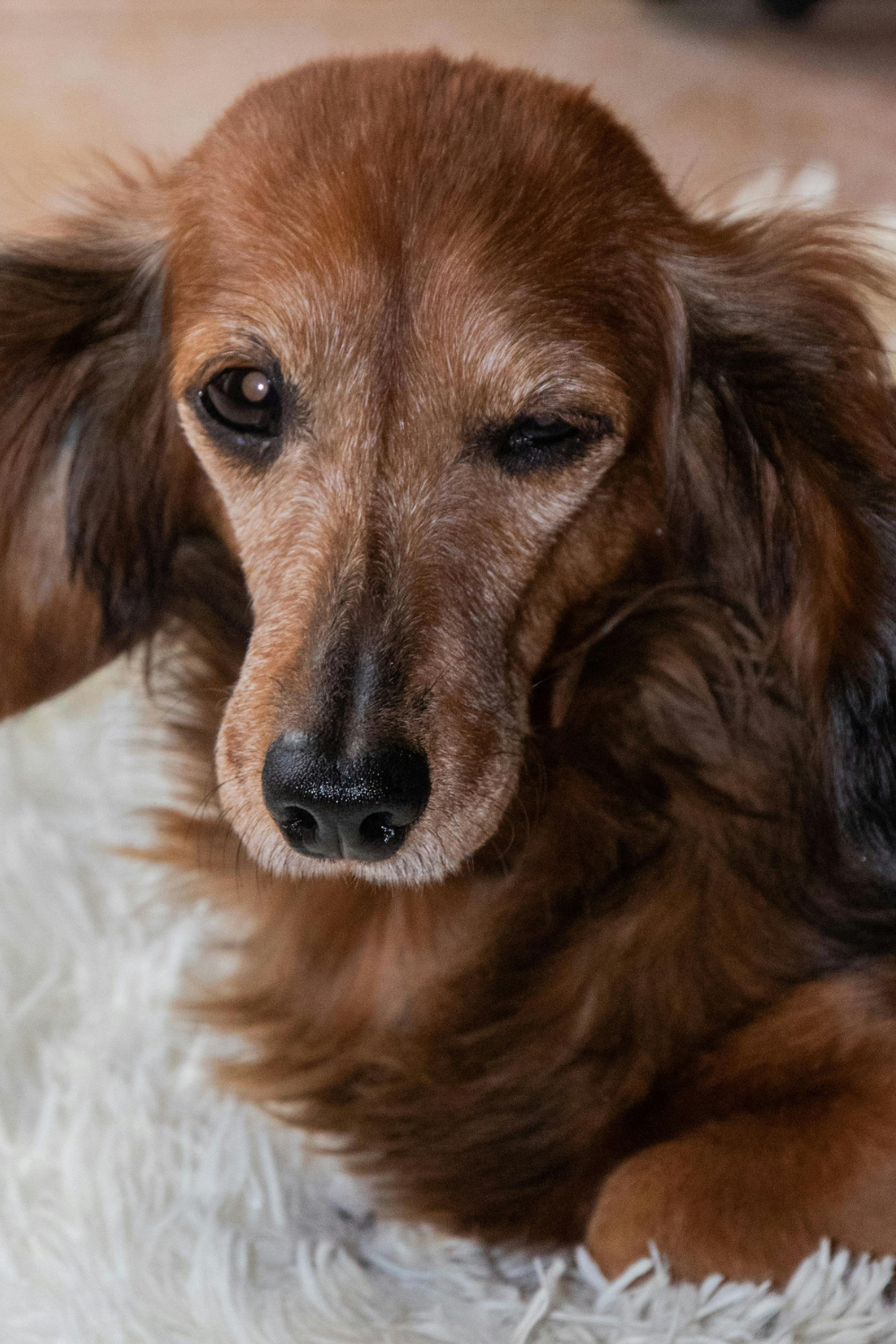
Practical tip: Train your dachshund to tolerate eye handling from puppyhood. Short daily sessions — gently touching around the eyes and briefly inspecting them — make future treatments (like eye drops) far less stressful for both of you.
When to go to the vet - and how urgently?
| Symptom | Recommended action |
|---|---|
| Enlarged eyeball | Vet immediately (risk of glaucoma) |
| Sudden loss of vision | Vet immediately |
| Sudden, severe redness of the eye | Same-day vet visit |
| Thick, pus-like or mucus discharge | Vet within 1–2 days |
| Squinting or keeping eye closed (>24h) | Vet within 1–2 days |
| Gradually developing cloudy lens | Routine appointment within a week |
| Mild tearing with no other symptoms | Monitor; visit if it persists |
Recommended products for Dachshunds
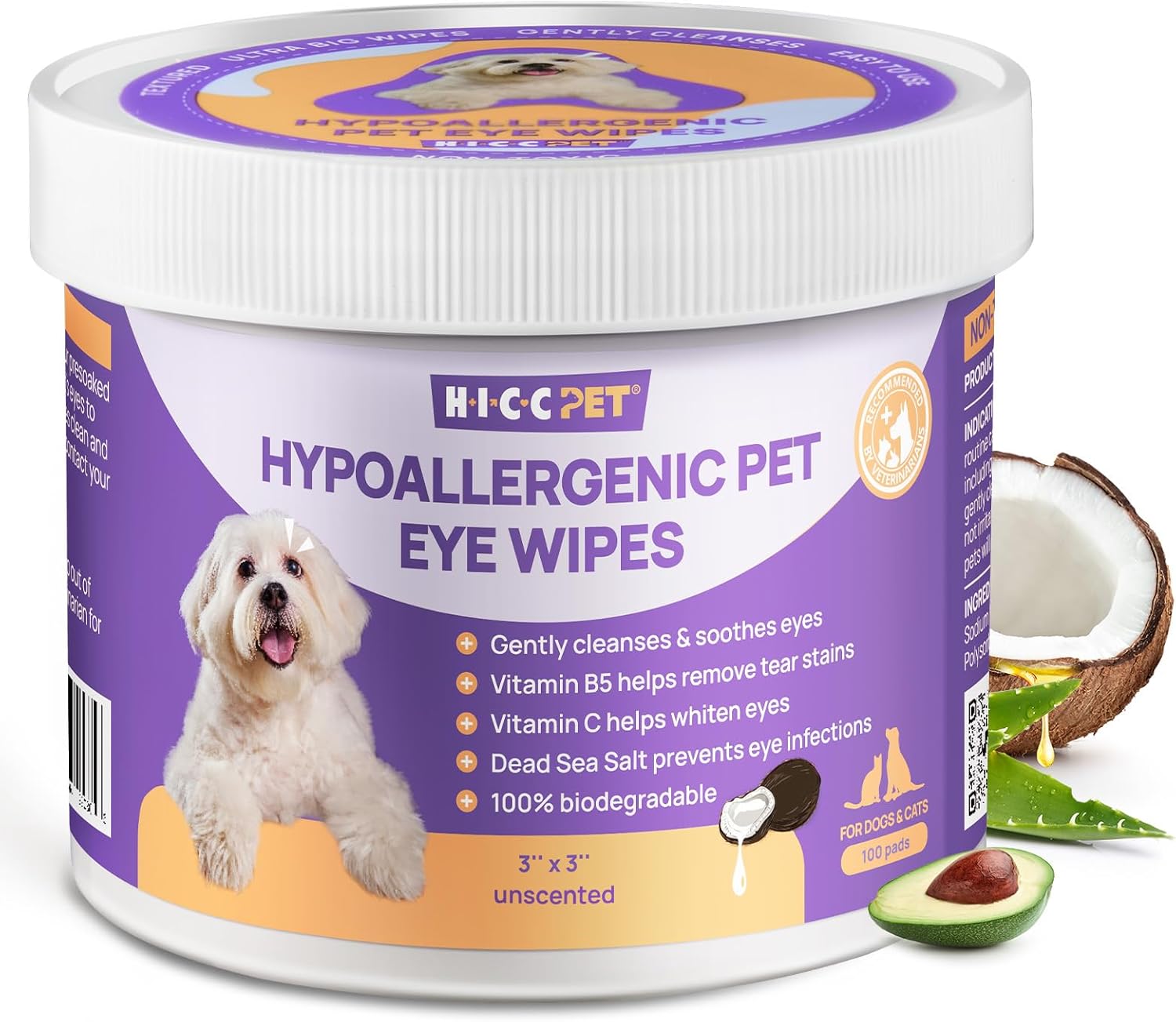
Eyes Wipes for Dogs
★★★★★
Gently Remove Tear Stain, Debris, Discharge – Hypoallergenic Pet Eye Wash Cleaner for Eyes
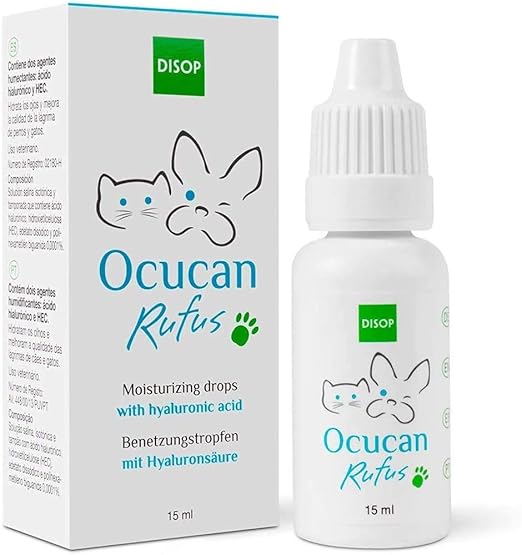
Dog Eye Drops with Hyaluronic Acid
★★★★★
Prevent dry eye, eye irritation or the risk of infection associated with the lack of tears in dogs. Relieves Eye redness and burning
Frequently Asked Questions
Does cataract in Dachshunds always require surgery?
Not always, but surgery is the only treatment that can actually restore vision. Early cataracts may not significantly affect a dog’s sight for some time, but the clouding will progress. Cataract surgery (phacoemulsification) is most effective before the cataract becomes fully mature or overripe, which is why early consultation with a veterinary ophthalmologist is strongly recommended.
How long can a Dachshund live with glaucoma?
Glaucoma does not shorten a dog’s lifespan, but without treatment it can lead to complete and permanent blindness. With appropriate medical or surgical management, many dogs can maintain a good quality of life for years. Regular monitoring of intraocular pressure and strict adherence to an ophthalmologist’s treatment plan are essential.
My Dachshund is rubbing its eye — is it dangerous?
It depends on the cause. Eye rubbing can indicate a foreign body, inflammation, dry eye, or pain caused by glaucoma. However, rubbing itself is dangerous because it can further damage the cornea. If it happens more than occasionally, a veterinary check within 1–2 days is recommended.
Are eye diseases in Dachshunds genetic?
Yes, several have a proven genetic basis. Hereditary cataracts, primary lens luxation (especially in miniature Dachshunds), and primary angle-closure glaucoma are conditions that responsible breeding programs aim to eliminate through screening. If you’re getting a Dachshund from a breeder, always ask for the parents’ eye test results.
What does a dog eye exam look like, and is it painful?
The exam is painless. A veterinarian or ophthalmologist evaluates the eyes using a light source, ophthalmoscope, and diagnostic tools. Some tests require pupil dilation drops, which may temporarily make the dog more sensitive to bright light, but there are no lasting effects. The whole examination typically takes 15–30 minutes.
Important information: The content on this page is for educational and informational purposes only. It does not replace professional veterinary advice or diagnosis. If you notice concerning skin changes in your Dachshund, consult a veterinarian or veterinary dermatologist.
Want to learn more about Dachshund health?
Explore our other guides – from spinal health to grooming and everyday care.
More about Dachshund health
Dachshund heat safety: how to protect your dog from summer heatstroke
Low to the ground, high risk in summer Dachshunds overheat faster than most dogs their size because of their body shape: short legs and a long body keep their belly and chest just inches from hot pavement, and their compact respiratory system has to work harder to...
Spaying and neutering a dachshund: timing, benefits, and spinal health
Most vets recommend waiting until your dachshund is at least 12 months old before spaying or neutering - and for females, some spinal health research supports waiting even longer. Dachshunds carry a lifelong risk of IVDD (intervertebral disc disease), and sex hormones...
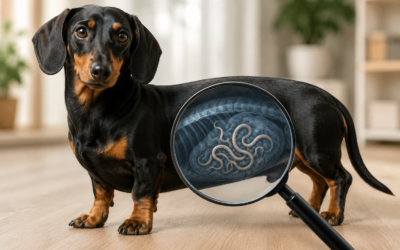
Deworming a dachshund – how often and what to use? An owner’s guide
Your dachshund looks perfectly healthy. Eats well, runs to the door when you pick up the leash, and steals your spot on the couch the moment you stand up. And yet there's a decent chance they're carrying intestinal parasites right now - because that's how parasites...
Join our newsletter
Adres
Dachshunds Planet
Disclaimer: This site contains affiliate links, which means we may earn a commission on purchases made through them.