Dachshund's Health
A dachshund’s health needs special attention due to their long body and genetic predispositions.
The most common issues include spinal problems (IVDD), allergies, excess weight, and joint conditions. Prevention is key: keep their weight in check, limit jumping, and act quickly at the first signs of trouble.
Want to take care of your dachshund’s spine?
Dachshund health – a complete guide for owners
A dachshund’s health is not something you can “deal with later.”
Due to their body structure and genetic predispositions, dachshunds are especially prone to spinal problems, allergies, and musculoskeletal conditions. Unfortunately, many of these issues develop quietly, before any clear symptoms appear.
That’s why we created this space as a practical guide for dachshund owners. We’ll help you understand what to look out for in everyday life, which signs should raise concern, and how to truly take care of your dog’s health – before problems even start.
What will you find in this guide?
- the most common health problems in dachshunds
- symptoms you need to watch out for
- prevention guidelines
- routine check-ups
- first aid
- when to go to the vet immediately
Go straight to the topic you’re interested in:
Spinal problems
Allergies
Food, skin, and environmental allergies are a common issue in dachshunds. Find out how to recognize them, diagnose them, and effectively manage the symptoms.
Obesity
Excess weight is a serious health risk for dachshunds, especially for their spine. Learn how to assess your dog’s weight and how to safely reduce it.
Skin diseases
Eye diseases
Dachshunds are predisposed to cataracts, glaucoma, and inflammation. Learn what to watch for and when a vet visit is necessary.
Preventive healthcare
Regular check-ups, vaccinations, weight control, and daily observation — learn how to take care of your dachshund’s health before problems appear.
Spinal problems (IVDD)
If there’s one thing you really need to watch closely in dachshunds, it’s their spine.
Allergies
Allergies in dachshunds are a common issue, most often showing up as itching, skin problems, and recurring ear infections. Early signs can be easy to miss, and without proper diagnosis, the problem usually won’t go away on its own.
Learn how to recognize allergies and what really helps in treatment.
Skin diseases
A dachshund’s skin is quite sensitive, so dermatological problems are relatively common. Redness, itching, or skin changes are not always just a “skin issue”—they are often a sign that something else is going on in the body.
Learn about the most common skin conditions and how to recognize them.
Eye diseases
Dachshunds are predisposed to eye conditions that can affect their vision comfort and, in severe cases, even lead to vision loss. Early signs such as tearing, squinting, or light sensitivity are easy to miss—yet quick reaction is extremely important here.
Learn which eye diseases are most common and when you should see a vet.
Obesity in dachshunds
Excess weight is one of the most serious risk factors for dachshunds—it puts strain on the spine, joints, heart, and respiratory system.
Check how much your dachshund should weigh and how to effectively manage obesity.
Prevention and check-ups
Regular check-ups can detect problems before they become serious.
Recommended once a year:
• blood count and biochemistry
• urine test
• abdominal ultrasound
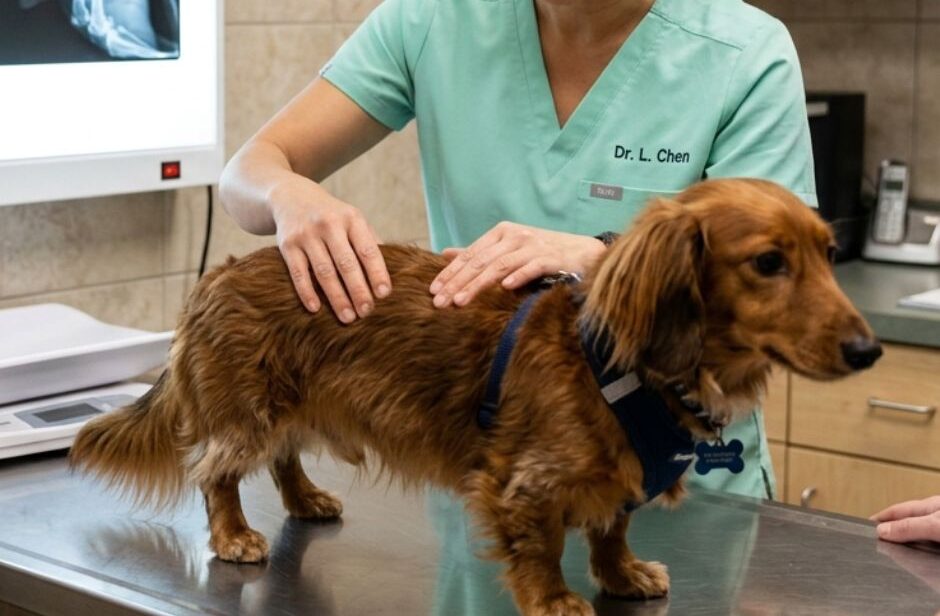
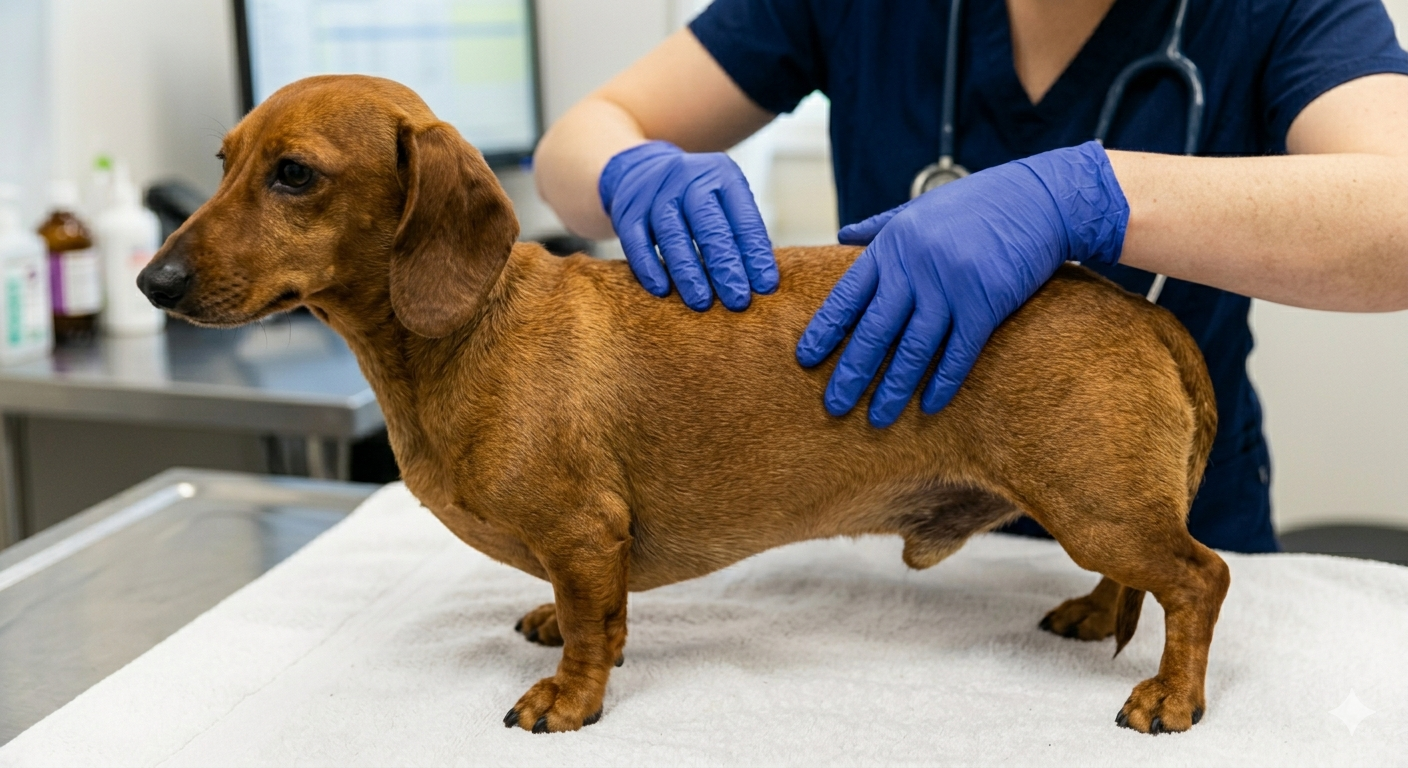
• assessment of the spine and musculoskeletal system
At-home monitoring:
• body weight
• skin and coat condition
• teeth and gums
• ears and eyes
Warning signs
Some symptoms in dachshunds require immediate action—especially those related to the spine.
- sudden weakness or paralysis
- seizures
- severe pain
- blood in urine or stool
- vomiting combined with lethargy
- difficulty breathing
- sudden change in behavior
CHECKLIST – Daily dachshund care
- no jumping from heights
- weight control
- using a harness instead of a collar
- regular walks (30–60 min)
- monitoring changes in behavior
FAQ - Frequently Asked Questions
Do dachshunds often get sick?
Dachshunds are prone to certain health issues, especially spinal problems such as intervertebral disc disease (IVDD). However, regular vet check-ups and a proper diet can help prevent many of these problems.
How do you know if a dachshund has a spinal problem?
The most common signs include stiffness, a hunched posture, reluctance to move, pain when touched, difficulty walking, or sudden weakness in the hind legs. In such cases, you should contact a veterinarian as soon as possible.
How to recognize allergies in a dachshund?
Allergies can show up as scratching, red skin, dandruff, ear infections, diarrhea, or watery eyes. The most common types are food and environmental allergies.
When should a dachshund go to the vet?
Immediately if you notice: sudden pain, difficulty walking, seizures, blood in urine or stool, vomiting combined with lethargy, breathing problems, or a sudden change in behavior. In other cases, it’s best to schedule a routine check-up.
How often should a dachshund have check-ups?
Once a year, it’s recommended to do a blood test, urine test, abdominal ultrasound, and a spine check. For senior dogs, check-ups every 6 months are advised.
How to take care of a dachshund’s health every day?
The most important things are maintaining a healthy weight, proper diet, avoiding jumping, regular walks, checking the skin and ears, and yearly preventive check-ups.
What supplements can support a dachshund’s health?
The most commonly used supplements support joints, skin and coat, immunity, and the digestive system. It’s best to choose supplements in consultation with a veterinarian.
What should you do if a dachshund suddenly stops walking?
This is a good place to start:

Dachshund heat safety: how to protect your dog from summer heatstroke
Low to the ground, high risk in summer Dachshunds overheat faster than most dogs their size because of their body...

Spaying and neutering a dachshund: timing, benefits, and spinal health
Most vets recommend waiting until your dachshund is at least 12 months old before spaying or neutering - and for...
Deworming a dachshund – how often and what to use? An owner’s guide
Your dachshund looks perfectly healthy. Eats well, runs to the door when you pick up the leash, and steals your spot...
Recommended products for dachshunds
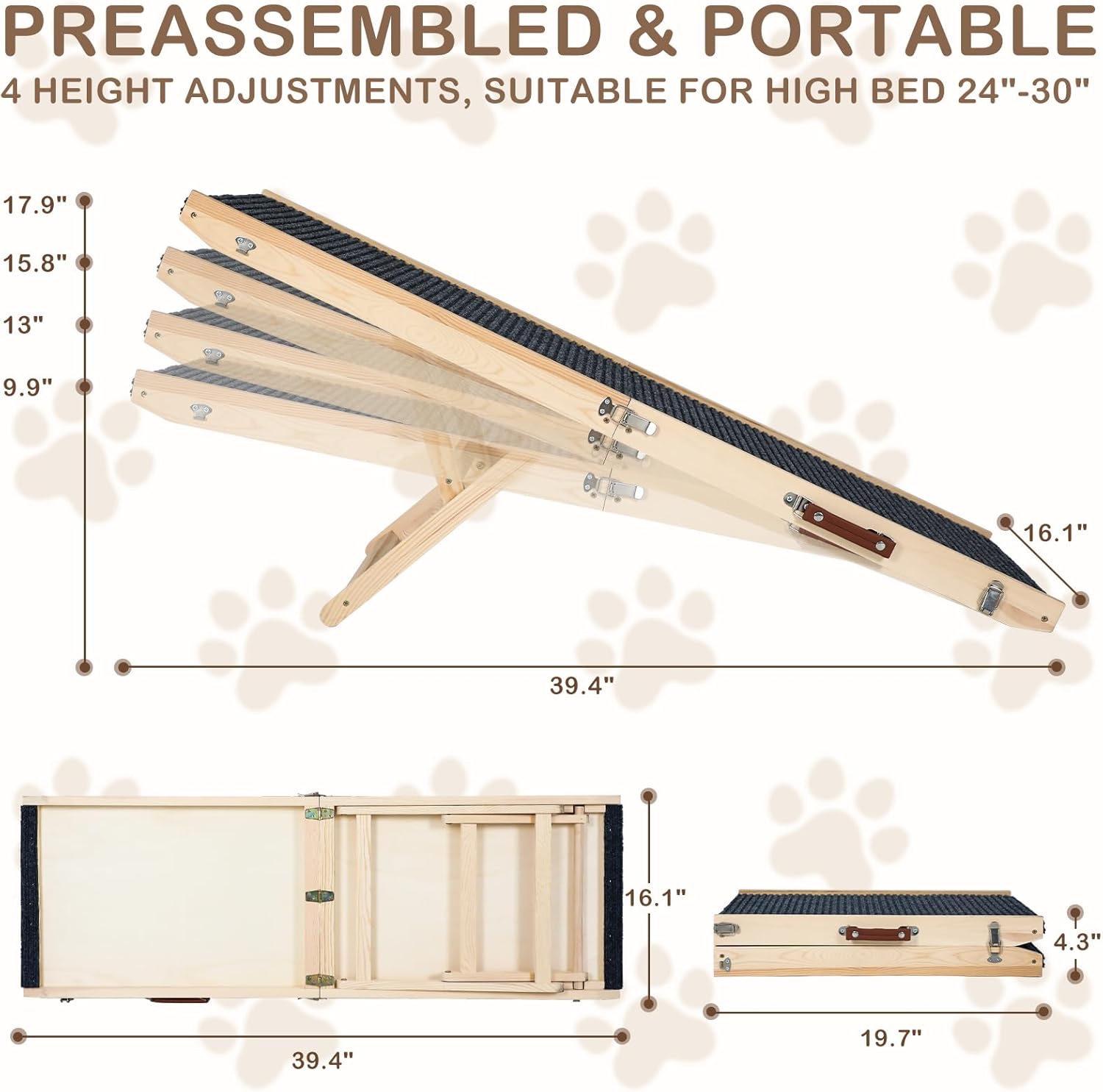
Foldable Dog Ramp
★★★★★
- Portable & Foldable Design – Lightweight and collapsible construction
- Adjustable Height for Versatile Use
- Anti-Slip Surface for Maximum Safety
- High Weight Capacity & Durable Build