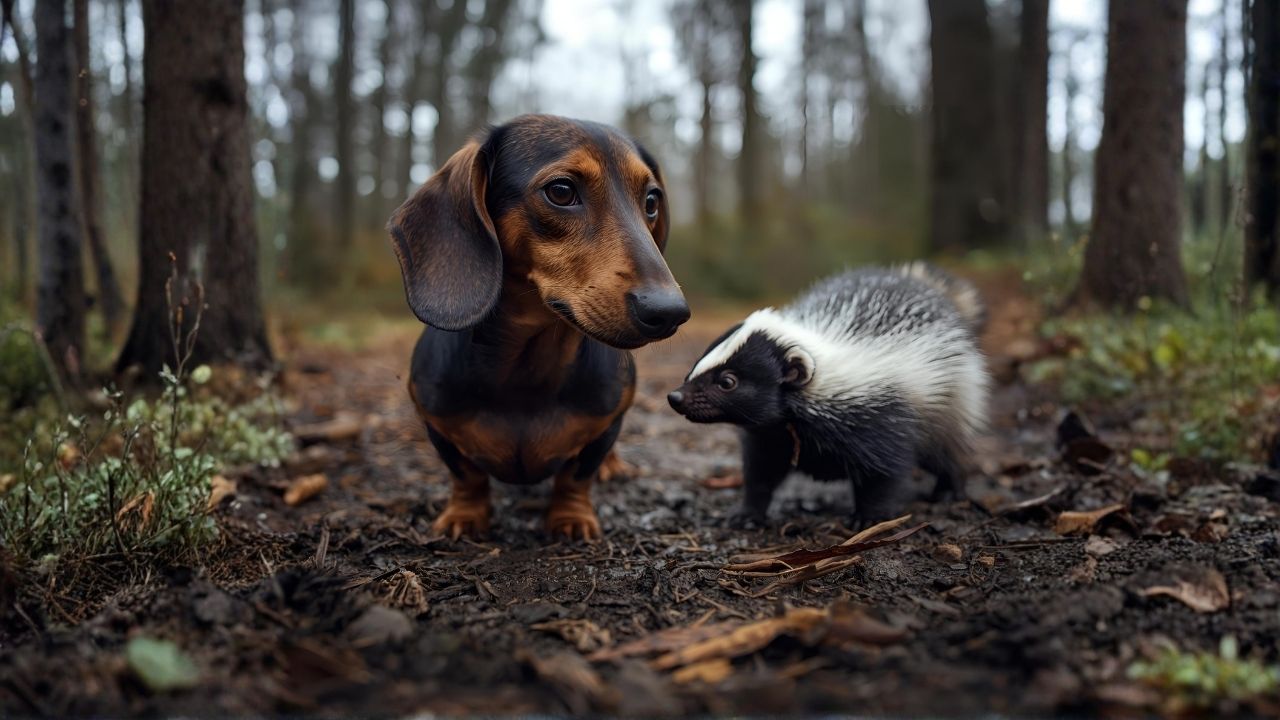
You’ve just given your dachshund a good scrub — bubbles, towel-dry, the whole spa treatment — and a few hours later that same musky smell creeps back.
Before you start questioning your grooming skills (or your dog’s hygiene habits), here’s the truth: a stubborn dachshund odor isn’t about dirt. It’s about what’s happening beneath the surface.
Let’s dig into what’s normal for this scent-driven breed, when that smell signals something more serious, and how to finally get your doxie smelling fresh again. Let’s answer your burning question: “why does my dachshund smell bad even after a bath?”
The “Hound Factor”: Why Dachshunds Can Develop a Musky Smell
Dachshunds naturally produce oils through their skin’s sebaceous glands. These oils keep the coat healthy and protected, and a little natural “doggy scent” is completely normal.
Some dachshund owners notice a stronger musky smell than with other breeds. This is usually due to coat type, grooming habits, and skin folds, rather than any unusual oil production.
- Short-haired dachshunds may show oil buildup more quickly, especially along the back, under collars, or around the armpits.
- Long-haired dachshunds can trap moisture, dirt, and debris in their fur, creating ideal conditions for odor-causing microbes like yeast and bacteria.
In both cases, mild natural scent is normal. But persistent musky or sour odors usually signal that moisture, bacteria, or yeast are accumulating — not just natural oils.
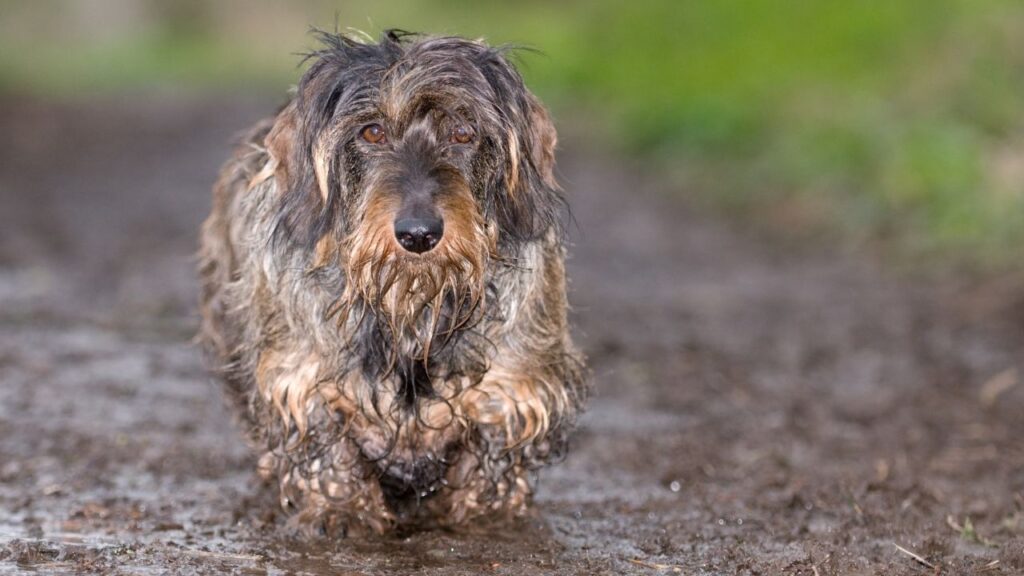
Common Reasons Your Dachshund Still Smells After a Bath
If your dachshund still smells bad right after grooming, the odor is likely coming from deeper layers of skin or from specific health issues. Here are the most common culprits.
1. Skin & Yeast Infections
Yeast (Malassezia pachydermatis) and bacteria (Staphylococcus pseudintermedius) love warm, moist areas like paws, underarms, and skin folds.
Signs:
- Musty or sour odor
- Itchy, red, or scaly skin
- Greasy patches or flaking
Special note: Frito feet smell comes from natural yeast and bacteria on paw pads — a common source of persistent odor.
Solution: Medicated baths or vet-prescribed shampoos are often required to treat infections effectively.
2. Ear Infections
Dachshunds’ floppy ears can trap moisture, debris, and wax, creating a breeding ground for bacteria and yeast.
Signs:
- Foul or sweet odor from ears
- Head shaking or scratching
- Redness or discharge
Solution: Clean ears with a vet-approved solution regularly, and seek treatment for infections.
3. Anal Gland Issues
Anal glands produce a natural secretion that’s usually expressed during defecation. If impacted or infected, they can emit a strong fishy or metallic smell.
Signs:
- Scooting on the floor
- Excessive licking of the rear
- Difficulty sitting or yelping
Solution: Manual expression by a groomer or vet, plus treatment if infection is present.
4. Allergies & Skin Disorders
Environmental or food allergies can compromise the skin barrier, leading to secondary infections and excess oil production.
Common conditions:
- Seborrhea: Wax-like or greasy buildup causing odor
- Skin fold dermatitis: Moisture trapped in skin folds creates a “stinky” environment
Solution: Allergy management (diet changes, vet treatments) plus medicated shampoos as needed.
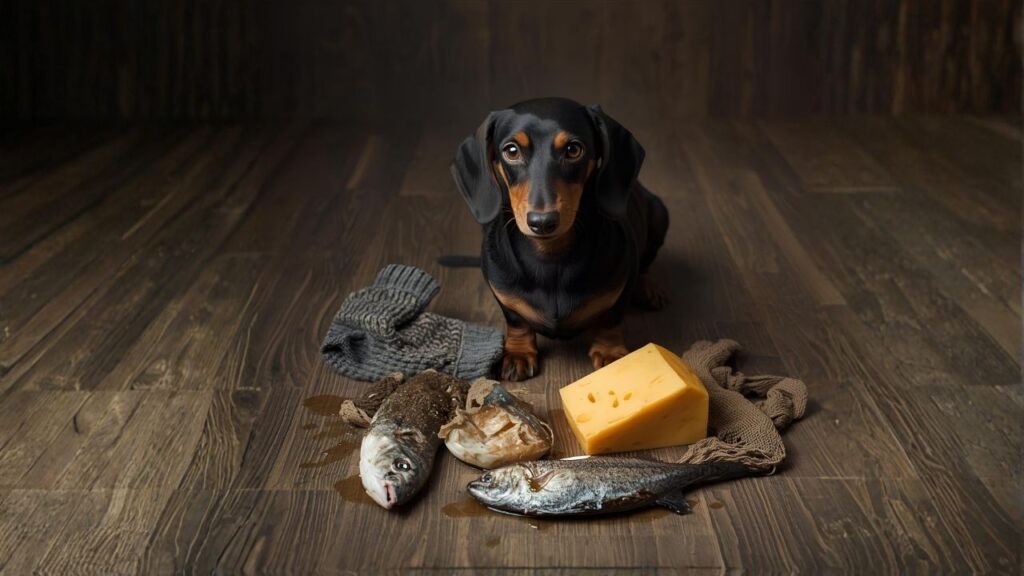
How to Fix Persistent Dachshund Odor
Masking the smell with another bath won’t solve it — you have to tackle the root cause. Here’s what really helps:
- Use a medicated shampoo (vet-approved):
Look for antifungal or antibacterial ingredients like chlorhexidine, sulfur, or ketoconazole if yeast or bacteria are suspected. - Dry thoroughly after every bath:
Moisture trapped under fur is the number-one trigger for that returning musky smell. - Clean the ears weekly:
Use a dog-safe ear cleaner and cotton pads — never Q-tips. - Wipe paws after walks:
Those tiny paw pads harbor yeast and bacteria. A quick wipe keeps them dry and odor-free. - Maintain the anal glands:
If your dog is scooting or licking excessively, ask your vet to check them. - Brush regularly:
Brushing helps distribute oils and reduce buildup, especially for long-haired dachshunds.
Preventing Odor Long-Term
Keeping your dachshund smelling fresh comes down to consistent care and a clean environment.
- Wash their bedding weekly in hot water.
- Feed a balanced, high-quality diet to support skin health.
- Schedule regular vet checkups for skin and ear maintenance.
- Keep humidity low at home — bacteria and yeast thrive in damp environments.
- Avoid over-bathing; once every 3–4 weeks is usually enough.
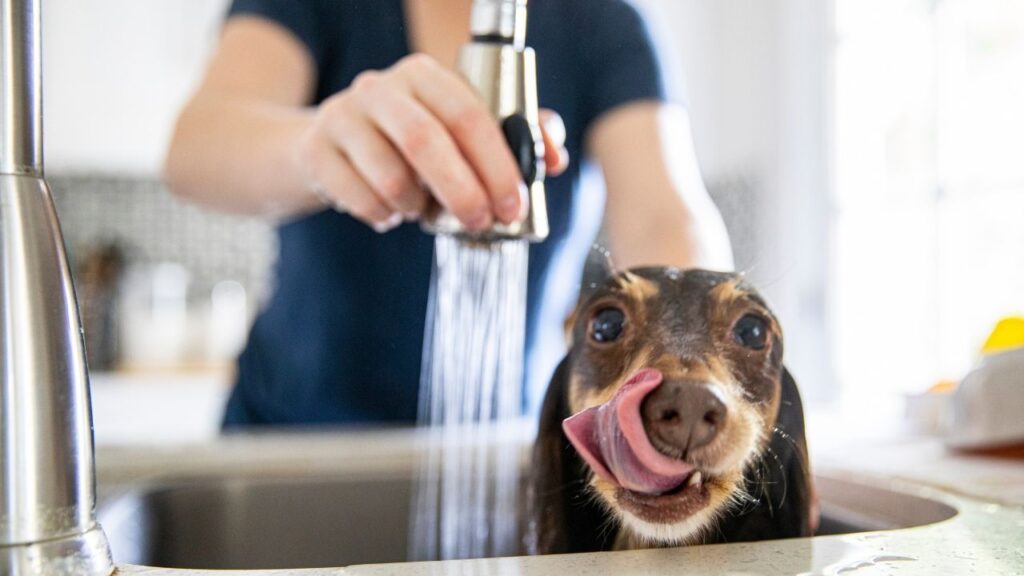
When to Call the Vet
Don’t ignore that lingering odor if:
- The smell returns within days of a bath
- There’s redness, scaly skin, or constant scratching
- Your dog scoots or licks excessively
- There’s discharge from ears or skin folds
These signs point to infections or health issues that need medical attention. Most smell-related problems are easily treatable once diagnosed early.
Final Thoughts: Your Dachshund Isn’t Just “a Stinky Dog”
Your dachshund’s musky smell isn’t a flaw — it’s a clue. By understanding why the odor exists and addressing the underlying causes, you can help your dog stay fresh, healthy, and comfortable.
Because nothing beats dachshund cuddles — especially when your little sausage dog smells as sweet as they look.
FAQ
Q: why does my dachshund smell bad even after a bath? Why does my dachshund have a musky smell after a bath?
A: Usually due to yeast, bacteria, or trapped moisture in skin folds, paws, or ears. Rarely, anal gland issues or allergies may be the cause.
Q: How often should I bathe my dachshund?
A: Every 3–4 weeks is typical. Over-bathing can dry skin and worsen odor.
Q: Can diet affect my dachshund’s smell?
A: Yes. Food sensitivities or low-quality diets can contribute to skin oil imbalances and secondary infections.
Q: How can I prevent my dachshund from smelling?
A: Regular grooming, paw and ear cleaning, medicated shampoos when needed, and keeping bedding clean all help prevent odor buildup.
Q: When should I see a vet for odor issues?
A: If the smell persists after proper hygiene, or if you notice redness, scratching, scooting, or unusual discharge.
0 Comments