How often do you groom a Dachshund? Dachshund grooming depends heavily on coat type. Smooth coats need brushing once a week; long-haired varieties require brushing 2–3 times weekly to prevent mats; wire-haired coats need weekly brushing plus hand-stripping every 3–4 months. All Dachshunds require monthly nail trims, monthly ear cleanings, and brushing their teeth 2–3 times per week. Bathe your Dachshund only once every 3 months to protect their skin’s natural oils.
You’ve brought home your first Dachshund, and suddenly you’re wondering: Do these little sausages need haircuts? How often should I be brushing? And what’s the deal with those adorable, floppy ears?
We’ve been there. Our Doxies have highly specific needs that can catch even experienced dog owners off guard. If you’re like me and Roxy, you might spend half your evening fighting over the couch blankets—which means you’re up close and personal with all that fur, dander, and those fast-growing nails! While Dachshunds aren’t high-maintenance divas, they do need regular, targeted attention to stay healthy, comfortable, and low-to-the-ground nimble.
Why Grooming Your Dachshund Actually Matters
Grooming isn’t just about keeping your pup Instagram-ready. Because Dachshunds sit so close to the ground, their coats collect debris easily. Regular grooming sessions help us catch skin issues early, prevent painful matting (especially in long-haired varieties), and keep infamous ear infections at bay. Doxies are prone to ear problems because those gorgeous drop ears trap moisture, and their nails grow surprisingly fast for such small dogs.
Plus, grooming is an incredible bonding routine. Once your dog gets used to the rhythm, they actually look forward to the one-on-one attention.
The best news? You can handle the vast majority of these tasks right at home without dropping serious cash at the salon every month. Let’s break down exactly how to do it.
Dachshund Grooming Frequency by Coat Type
| Coat Type | Brushing Frequency | Bathing Frequency | Specialized Care Required |
| Smooth-Haired | 1x per week | Every 3 months | Rubber hound glove for shine |
| Long-Haired | 2–3x per week | Every 3 months | Dematting behind ears & leg feathers |
| Wire-Haired | 2–3x per week | Every 3 months | Hand-stripping every 3–4 months (No clipping!) |
How to Groom the 3 Dachshund Coat Varieties
This is where coat genetics make all the difference. Treat each coat type with the specific technique it demands.
1. Grooming Long-Haired Dachshunds
Long-haired Doxies are absolutely stunning, but they earn their beauty with a bit more effort from us. Their silky coats develop mats quickly, particularly in high-friction “trouble spots”: behind the ears, in the armpits, and around the feathery parts of their legs and tail.
- What you’ll need:
- Bristle-nylon brush
- Slicker brush
- Poodle comb with smooth-ended pins
- The Routine:
- Start with the bristle brush, working methodically in small sections from head to tail.
- Switch to your metal comb to gently detangle the trouble spots. If you hit a stubborn mat, hold the hair close to the skin base to prevent painful pulling.
- Editor’s Note: If a mat is too tight, don’t panic. Gently clip it out with grooming shears or let a professional handle it.
- Finish with the slicker brush to smooth out the coat for that glossy, show-dog finish.
- Pro Tip: Always end the session with a high-value treat. You want your Doxie running toward the brush, not hiding under the bed!
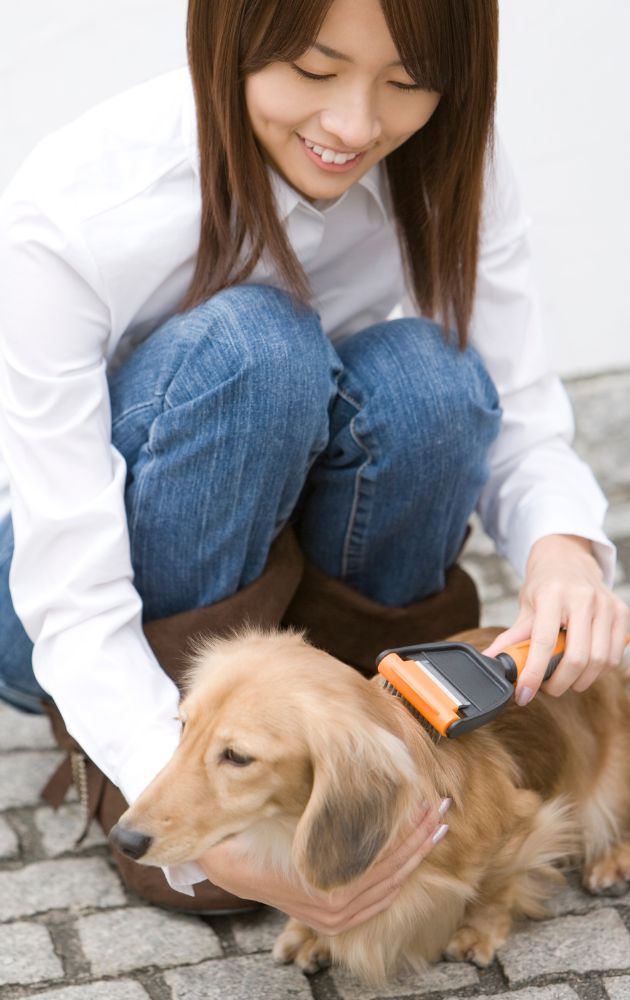
2. Grooming Smooth-Haired Dachshunds
Smooth-coated Dachshunds are the low-maintenance champions of the family. Their short, sleek fur doesn’t mat, and they don’t have a dense undercoat to worry about.
- What you’ll need:
- Firm bristle brush OR
- Rubber brush with soft, flexible tips
- The Routine: Spray the coat lightly with a canine conditioning spray containing natural oils to boost shine. Gently sweep the rubber mitt or brush in the direction of hair growth. This removes loose dander and stimulates the skin’s natural oils.
3. Grooming Wire-Haired Dachshunds
Wirehaired Dachshunds possess that wonderfully scruffy, distinguished look complete with bushy eyebrows and a beard. Their coarse double coat requires entirely different care. This coat type requires more skill to groom properly – matting and tangling happen easily if you fall behind on maintenance.
- What you’ll need:
- Bristle brush
- Dense comb
- Undercoat rake
- The Routine: Wire-haired Doxies shed minimally, but dead hair traps itself inside the coat. You must remove this dead hair via hand-stripping every 3–4 months. This process involves gently pulling dead hairs out from the root using your fingers or a stripping knife.
- Critical Warning: Never use clippers on a wire-haired Dachshund’s coat. Clipping merely shortens the dead hair rather than removing it. This damages the wire texture, fades the coat’s rich color, and can lead to skin irritation. If hand-stripping feels intimidating, have a professional groomer manage this specific step.
Essential Home Grooming Toolkit
You don’t need a commercial salon setup, but investing in quality, ergonomic tools will save your wrists and protect your dog’s skin.
- Slicker Brush: Fine, short wire bristles perfect for pulling loose hair out of long coats.
- Metal Comb: Look for a dual-sided steel comb (wide and narrow teeth) to pinpoint mats.
- Professional Nail Clippers: Choose sharp, scissor-style clippers or a gentle rotary grinder. Dull blades crush the nail, causing pain.
- pH-Balanced Dog Shampoo & Conditioner: Never use human shampoo. A dog’s skin pH is much less acidic than ours; human products strip their skin barrier, causing severe itching.
- Canine Ear Cleaning Solution: Look for an alcohol-free, veterinarian-approved drying solution.
- Enzymatic Toothpaste & Finger Brush: Human toothpaste contains xylitol, which is highly toxic to dogs.

Essential Grooming Tools for Your Home Setup
Basic Dachshund grooming requires: a slicker brush, metal comb, dog-specific nail clippers, gentle ear cleaner, canine toothbrush and toothpaste, dog shampoo and conditioner, and several towels. Wire-haired varieties also need an undercoat rake and access to professional stripping services.
You don’t need a full salon setup, but having the right tools makes everything easier:
- Slicker brush: Those fine, short wires are perfect for removing loose hair and working through tangles. Worth every penny.
- Metal comb: Get one with both wide and narrow teeth. Great for detangling and removing debris stuck in the coat.
- Nail clippers: Invest in quality dog nail clippers. The cheap ones from the grocery store don’t cut cleanly and can split the nail.
- Ear cleaner: Grab a dog-specific ear cleaning solution. Human products aren’t pH-balanced for dogs.
- Toothbrush and toothpaste: Use only dog toothpaste—human toothpaste contains ingredients toxic to dogs.
- Clippers or scissors: Only needed if you plan to do trimming yourself. Get proper grooming scissors, not kitchen scissors.
- Dog shampoo and conditioner: This matters more than you’d think. A dog’s skin pH is different from ours, so human products can dry out their skin and cause irritation. Match the shampoo to your dog’s coat type, and look for conditioners with nourishing oils.
- Towels: You’ll want several. Trust us on this.
What to look for when shopping:
Choose tools designed specifically for dogs – breed-specific is even better. Look for quality materials like stainless steel rather than cheap plastic that breaks after three uses. Ergonomic handles save your wrists during longer grooming sessions. We learned this the hard way.

Step-by-Step Anatomy Care Guide
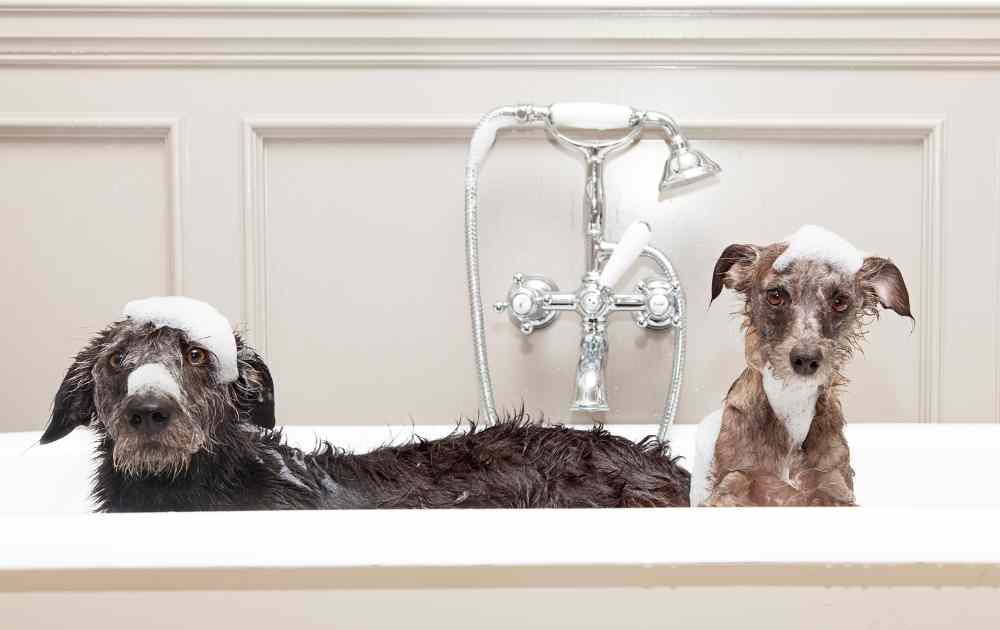
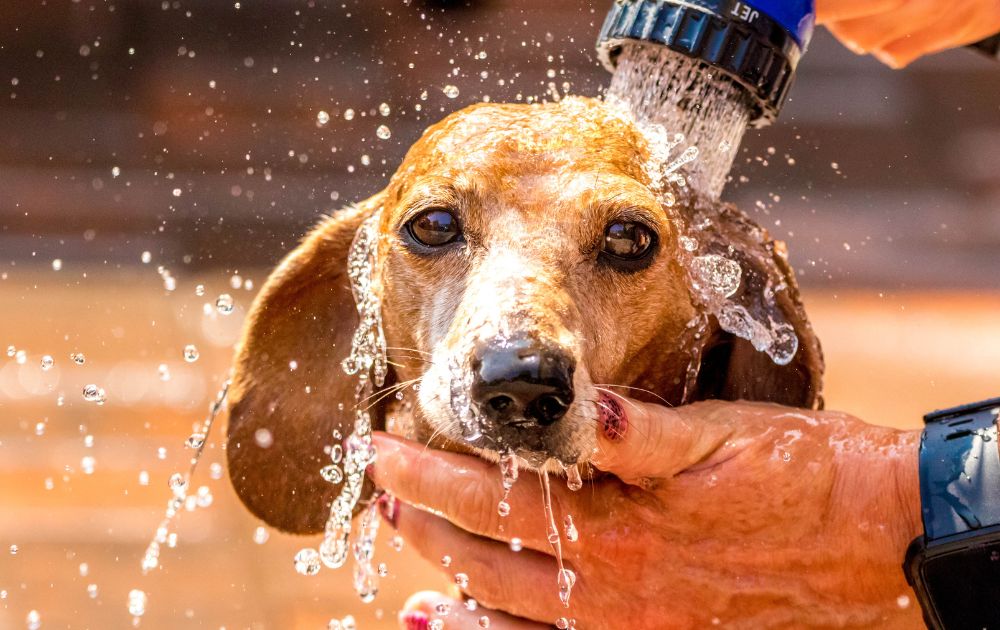
1. Bathing: Stick to the 3-Month Rule
Unless your Dachshund rolls in something foul outside or have that distinct “doggy” smell going on, limit baths to once every 3 months. Over-bathing strips the essential sebum oils from their skin, leaving them prone to dry, flaky dandruff.
- Pro-Tip: When bathing, place a rubber mat in the tub so their little paws don’t slip – this protects their sensitive backs from sudden twisting injuries. Rinse thoroughly; dried shampoo residue is a primary cause of contact dermatitis in dogs.
2. Nail Trimming: Defeating the Drama
That telltale click-click-click across your hardwood floors? That is your definitive signal that it’s trim time. Overgrown nails force a Dachshund’s toes to splay outward, altering their gait and putting dangerous, uneven pressure on their spine.
- How to trim safely: Cut at a 45-degree angle, removing only the curved tip.
- Managing dark nails: If your Doxie has black nails, clip tiny slivers at a time. Trim only the curved tip – just the very end. You want to avoid the quick (the pink part you can see in light-colored nails that contains blood vessels and nerves).
3. Ear Cleaning: Preventing Deep Infections
Those gorgeous, drop ears trap moisture, heat, and wax, creating a perfect incubator for yeast and bacterial infections. Clean them once a month.
- The Technique: Squeeze a few drops of vet-approved ear cleaner into the canal. Massage the base of the ear for 30 seconds (you’ll hear a squishing sound). Let your dog shake their head to loosen debris, then gently wipe the outer ear flap with a clean cotton ball.
- Warning: Never insert Q-tips or cotton swabs down into the ear canal. You risk puncturing the eardrum or packing debris tighter against it.
4. Dental Care: Protecting Their Internal Organs
Dachshunds are notoriously prone to severe periodontal disease due to their crowded jaw structure. Dental problems sneak up on us, but they’re serious. Untreated dental disease can lead to heart, liver, and kidney problems as bacteria from infected gums enters the bloodstream.
- The Routine: Aim to brush their teeth 2–3 times per week using a soft-bristled canine brush and flavored enzymatic toothpaste. Complement this with VOHC-approved (Veterinary Oral Health Council) dental chews to reduce plaque buildup mechanically.
- Choose dental-friendly food: Some dog foods are formulated with special kibble shapes and textures that help scrape plaque off teeth as they chew.
- Schedule dental check-ups: Your vet should examine your dog’s teeth during regular check-ups. Some dogs need professional cleanings periodically.
- Watch for warning signs: Bad breath, swollen or bleeding gums, loose teeth, or reluctance to eat hard food all signal dental problems. Don’t wait—get them checked.
When to Call in a Professional Groomer
DIY grooming builds a fantastic bond, but there is absolutely zero shame in calling for backup. Take your Dachshund to a professional if:
- Their coat has severe, tight matting close to the skin.
- You notice suspicious, unverified lumps, bumps, or raw hotspots (see a vet first).
- Your dog exhibits extreme stress, snapping, or panic during nail trims.
- You own a wire-haired Doxie and want a professional to execute the technical hand-stripping framework.
Frequently Asked Questions
Can you shave a Dachshund?
No, shaving a Dachshund is not recommended. Their double coat regulates body temperature—keeping them warm in winter and cool in summer. Shaving disrupts this natural insulation system and can leave them susceptible to temperature-related health issues. The coat may also grow back with an altered texture.
How often should a Dachshund be bathed?
Bathe your Dachshund every 3 months for all coat varieties (smooth, long-haired, and wire-haired). More frequent bathing strips essential oils from the skin and can cause dryness and irritation. Exception: if your dog gets into something messy or smelly, an extra bath won’t hurt.
How do you groom a long-haired Dachshund?
Long-haired Dachshunds require brushing 2-3 times weekly with a slicker brush and metal comb, paying special attention to areas prone to matting (behind ears, under legs, around tail). Bathe monthly or as needed using dog-specific shampoo and conditioner. Trim nails monthly, clean ears monthly with dog ear cleaner, and consider professional trimming every few months to maintain coat shape.
Do wire-haired Dachshunds need special grooming?
Yes, wire-haired Dachshunds require stripping—a process where dead hair is removed from the root using a specialized comb—every 3-4 months. Never use clippers on wire-haired coats as this weakens the coat texture and doesn’t remove dead hair. They also need regular brushing with an undercoat rake and trimming around the face, ears, paws, and tail.
What type of brush is best for Dachshunds?
The best brush depends on coat type: smooth-coated Dachshunds need a firm bristle brush or rubber brush; long-haired varieties require a slicker brush, bristle-nylon brush, and metal comb; wire-haired Dachshunds need a bristle brush, dense comb, and undercoat rake. Always choose tools specifically designed for dogs with quality materials like stainless steel.
Final Thoughts From Our Grooming Table
Grooming doesn’t have to be stressful for you or your Dachshund. Start slow, use lots of treats and praise, and make it a positive experience. Some dogs take to grooming immediately; others need time to adjust.
The money you save doing basic grooming at home can go toward those nice orthopedic ramps we all end up buying for our long-backed friends. Or extra treats. Probably treats.
And remember—even experienced Dachshund owners sometimes struggle with particularly squirmy dogs or difficult mats. You’re not failing if you need to call in backup. We’re all just doing our best to keep our low-riders healthy and happy.
Now grab those brushes and show your Doxie some love!


0 Comments