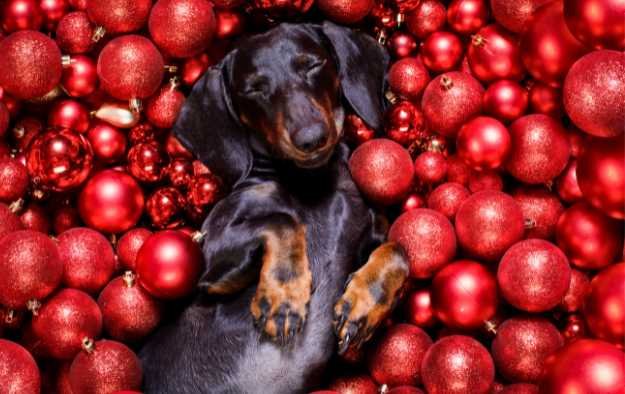
Dachshunds need a few things other dogs don’t at Christmas: decorations and toxic plants kept properly out of reach, treats watched closely since extra weight puts real strain on their long spine, and no jumping on and off furniture, since that’s one of the most common ways dachshunds injure their backs. Add a quiet space away from the noise, a secure setup for car trips or flights, and a few ground rules for excited guests, and your dachshund gets to join in on the whole season without a trip to the emergency vet. Here’s what all of that looks like in practice.
1. Dachshund-proof your Christmas decorations
Your dachshund doesn’t need to be tall to get into trouble.
That long body and short-legged advantage means they’re often perfectly positioned to investigate everything at the bottom of the Christmas tree.
Keep small, breakable and edible decorations well out of reach. Secure the tree so an enthusiastic tail or determined dachshund can’t pull it over, and keep tree water inaccessible.
Skip tinsel altogether. If swallowed, tinsel and other long strands can become lodged in the digestive tract and may require surgery.
Christmas lights and electrical cords are another hazard. Keep wires tucked away and prevent your dog from chewing them, as electrical cords can cause serious or potentially fatal electric shock.
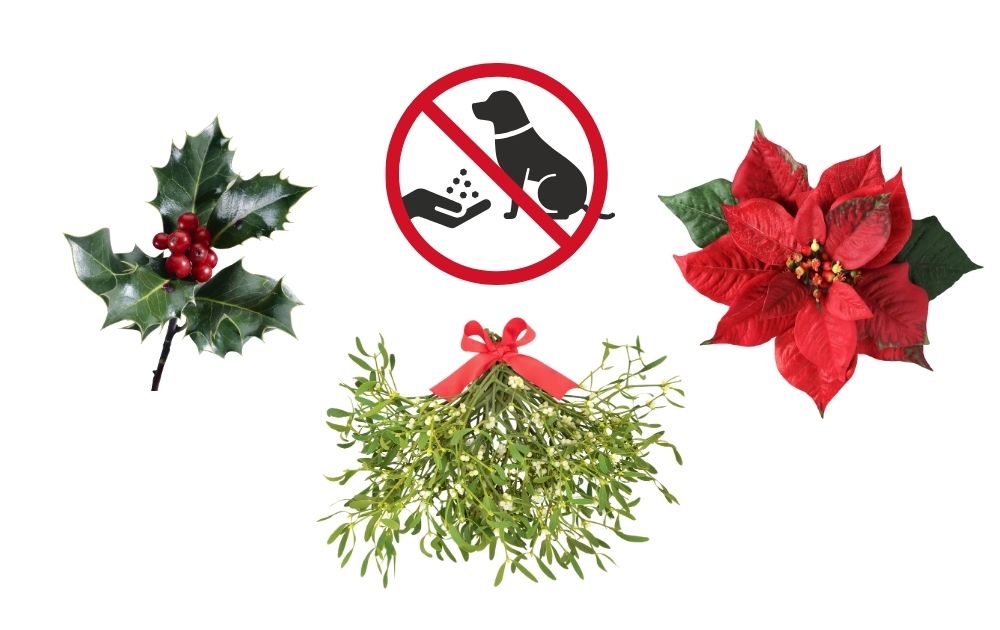
And don’t forget the festive plants.
- Mistletoe: can cause gastrointestinal upset and, in some cases, cardiovascular problems.
- Holly: can cause gastrointestinal problems and irritation.
- Poinsettia: generally causes mild to moderate gastrointestinal irritation rather than the severe poisoning many people believe, but it should still be kept away from curious dogs.
If your dachshund eats part of a potentially toxic plant or decoration, contact your veterinarian or a pet poison service rather than waiting for symptoms to appear.
Doxie-proofing rule: if your dachshund can reach it, assume they’re going to investigate it.
2. Give your dachshund a quiet Christmas retreat
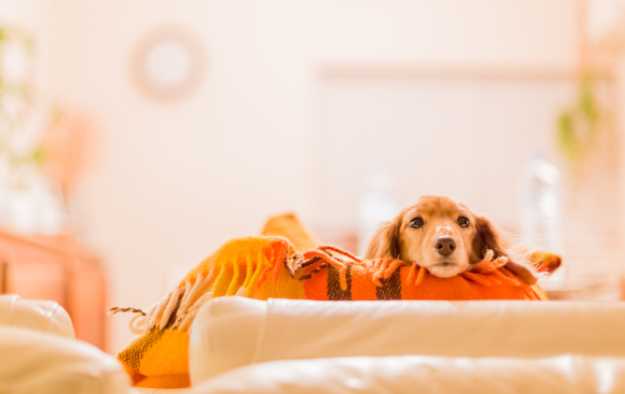
Not every dachshund thinks a house full of relatives is the best Christmas present ever. Some love the attention. Others would quite happily disappear under a blanket until January.
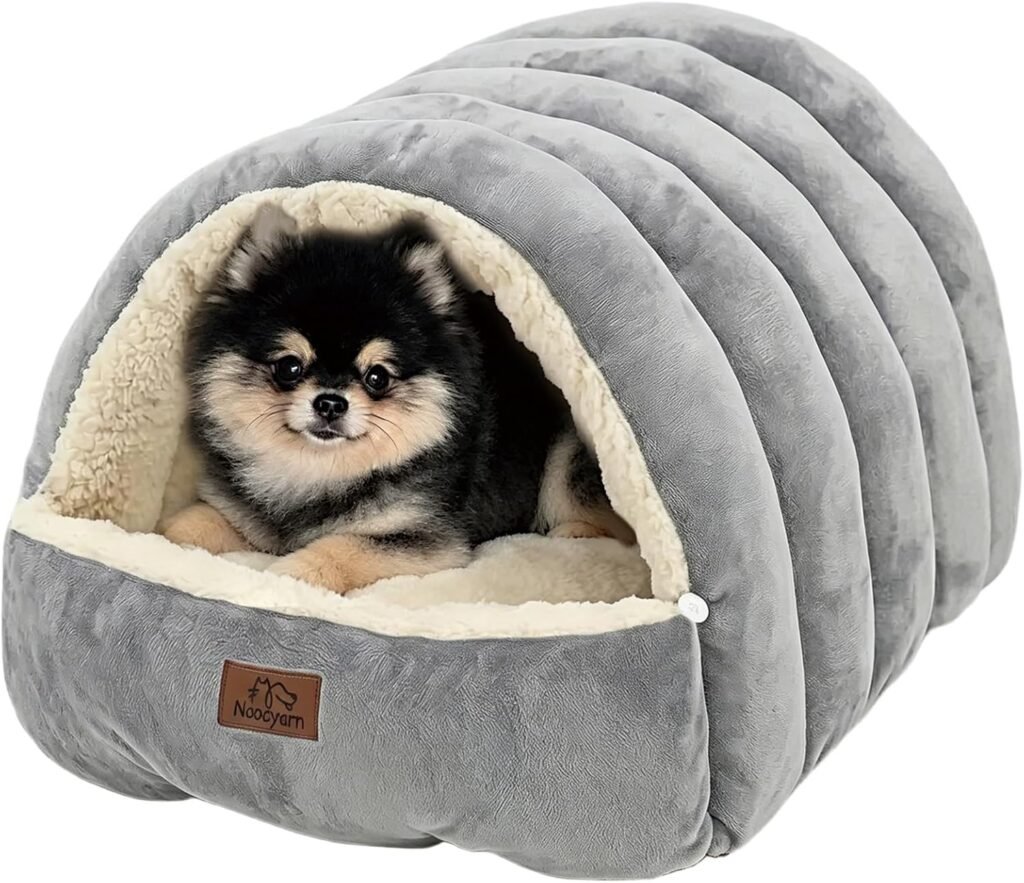
Set up a quiet retreat before your guests arrive. This could be their crate, a bed in a quiet room or another familiar spot away from the busiest part of the house. Add their usual blanket, bed and a favorite toy so the space smells familiar.


A food puzzle or stuffed toy can also give them something calming to focus on when the house gets noisy.
Make the rules clear to visitors: This is the dog’s space. Leave them alone when they’re in it.
Watch for signs that your dachshund is becoming overwhelmed, such as repeated lip licking, yawning when they aren’t tired, hiding, a tucked tail or trying to get away.
Giving them a break isn’t being antisocial. It’s good dog management.
3. Dress your dachshund for warmth – not just the Christmas photos
Yes, a dachshund in a Christmas sweater is ridiculously cute. But there can be a practical reason to put one on them, too.
Smooth-coated dachshunds have relatively little insulation, and their short legs put their belly and chest close to cold ground. In cold weather, a well-fitting sweater or coat can help keep them comfortable.
Long-haired and wire-haired dachshunds may have more natural insulation, so whether they need an extra layer depends on the individual dog, the temperature and how long they’re outside.
The important part is fit.
A generic small-dog sweater can rub under the front legs, restrict movement or leave a dachshund’s long back and belly exposed. Look for clothing designed to fit a long-bodied, short-legged dog. And don’t leave a coat or sweater on unsupervised if your dog is likely to chew it.
Cute is good. Comfortable is better.

4. Plan a Festive Walk
Your dachshund doesn’t care that you want to admire the Christmas lights. They have important smells to investigate.
Dachshunds were bred to hunt and follow scent, so giving them time to sniff is a great way to make a winter walk mentally enriching rather than simply trying to march them past every decorated house.
If the weather is icy or snowy:
- Check the pavement for ice.
- Wipe or rinse paws after walks.
- Be careful with de-icing products and salt.
- Consider paw protection if your dachshund’s feet become irritated.
- Keep walks shorter if your dog is struggling with the cold.
Salt and some ice-melt products can irritate paws and can be dangerous if significant amounts are swallowed. ASPCA recommends keeping pets away from potentially hazardous ice-melting products and using pet-safe alternatives where possible.
And remember: those short little legs mean your dachshund is much closer to the cold, wet ground than you are.
5. Make dachshund-safe Christmas treats
Christmas is basically an all-you-can-smell buffet for a dachshund. Unfortunately, many of the foods humans enjoy aren’t appropriate for dogs.
If you want to make your dachshund their own treats for Christmas, keep the recipe simple. Plain pumpkin, oats and a dog-safe peanut butter can make a useful base for homemade treats.
But always check the peanut butter label first. Some peanut and nut butters can contain xylitol, a sweetener that is highly toxic to dogs and can cause a rapid drop in blood sugar, seizures, liver failure and potentially death.
Never add these to your dog’s holiday treats:
- Chocolate
- Grapes or raisins
- Xylitol
- Macadamia nuts
- Onion or garlic
- Alcohol
- Foods heavily seasoned with spices or salt
And don’t forget about the food sitting on the coffee table. Your dachshund probably won’t.
6. Protect your dachshund’s back during the holiday chaos
This is the big one for dachshund owners.
Dachshunds are particularly predisposed to intervertebral disc disease (IVDD). The discs between the vertebrae can degenerate and, if a disc herniates, put pressure on the spinal cord or nerves. Merck Veterinary Manual lists Dachshunds among the breeds particularly affected by IVDD.
And Christmas can create plenty of opportunities for a back injury.
Think:
- Jumping off the sofa when Grandma arrives.
- Launching from a bed after hearing someone open a food packet.
- Racing up unfamiliar stairs.
- Being picked up awkwardly.
- Rough play with excited children or other dogs.
- Jumping down from someone’s lap.
You don’t have to stop your dachshund having fun. But reduce unnecessary jumping and uncontrolled landings wherever you can.
If your dachshund regularly gets on furniture, consider a sturdy dog ramp designed for their size. Ramps or stairs are commonly recommended for dogs prone to back problems because they provide a lower-impact way to get on and off furniture.
If you need to pick your dachshund up, support both ends of their body rather than letting the hindquarters dangle.
Know the warning signs of IVDD
Contact your veterinarian promptly if you notice:
- A hunched or tense back
- Reluctance to move
- Reluctance to jump or use stairs
- Crying or yelping when touched or picked up
- Wobbliness
- Weakness
- Dragging a leg
- Difficulty walking
More serious neurological signs, including an inability to walk, require urgent veterinary attention. IVDD can cause pain, neurological dysfunction and, in severe cases, paralysis.
7. Include your dachshund in Christmas traditions – safely
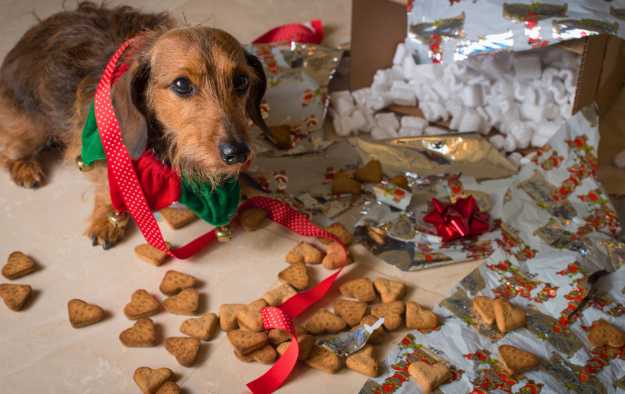
Of course, your dachshund deserves a Christmas present – preferably several. Make your dachshund a part of the holiday traditions by giving them a special dog Christmas stocking with a few dog-safe treats and a toy.
If you let your dachshund open a present, put it on the floor, not on the sofa or your lap. That reduces the temptation to launch themselves off furniture when they get excited. Supervise them with wrapping paper and remove ribbons, string, bows and small pieces as soon as they’re finished.
You can even give them their own little Christmas ritual:
Present → sniff → unwrap → toy → nap.
Honestly, that’s probably their ideal Christmas schedule.

7. Travel Safely for Christmas
If you’re planning to travel with your dachshund for the holidays, make sure your dog is comfortable and safe. Don’t let your dachshund ride loose in the car.
A properly secured crate or appropriate dog car harness can help keep your dog safely restrained and reduce the risk of injury during sudden braking or a collision.
Pack familiar things too:
- Their normal food
- Water
- Their usual treats
- Blanket or bed
- Favorite toy
- Any medication they normally take
If you’re flying, check the airline’s current pet requirements well before your trip. Don’t assume every airline accepts dogs in the cabin or that every carrier will meet their requirements. If your dachshund will be traveling in a carrier, get them comfortable with it at home before the journey.
And once you arrive, create a familiar little safe zone for them. A bed, blanket and familiar-smelling toy can make an unfamiliar house feel much less strange.

9. Give your Christmas guests a few dachshund rules
Holidays often mean a house full of guests, which can be a lot of fun but may also be stressful for your dachshund. You don’t need to hand every visitor a 20-page dog manual.
A few simple rules will do.
Ask guests to:
- Let your dachshund approach them.
Not every dog wants a stranger leaning over them, grabbing them or picking them up.
- Don’t feed from the table.
Those pleading eyes are powerful. Stay strong.
Rich, fatty foods can cause digestive problems and can contribute to pancreatitis. Human foods such as chocolate, grapes, raisins, onions, garlic and xylitol-containing products can also be dangerous to dogs.
- Keep doors secure.
A dachshund disappearing through the front door while everyone is distracted by hugs, coats and luggage is a very real Christmas nightmare.
If you’re hosting a large gathering, consider having one person keep an eye on the door during arrivals and departures. And if children are visiting, teach them that the dog should never be disturbed while eating, sleeping or resting in their safe space.

10. Get your dachshund back into their normal routine
After days of visitors, treats, late nights and disrupted walks, your dachshund may need a little reset.
Go back to their usual:
- Feeding schedule
- Walk routine
- Sleep schedule
- Exercise level
- Treat portions
Don’t try to “make up” for Christmas treats with a sudden restriction in food or an intense exercise session. Instead, simply return to their normal routine.
And have a quick feel around your dachshund’s body while you’re at it. If they’ve been jumping more than usual or playing with unfamiliar dogs, pay attention to any changes in how they move.
If you notice signs of pain, stiffness, weakness or reluctance to move, speak to your veterinarian.
The bottom line: keep Christmas fun – and dachshund-friendly
You don’t have to cancel Christmas because you own a dachshund. You just need to think like a dachshund.
That means assuming the food will be investigated, the wrapping paper will be eaten, the tree will be sniffed, the sofa will be launched from and the mysterious object under the tree absolutely must be inspected immediately.
Keep decorations and dangerous foods out of reach. Give your dog somewhere quiet to retreat. Reduce unnecessary jumping. Secure them during travel. And make sure everyone in the house knows the basic dachshund rules.
Do that, and your doxie can enjoy Christmas with everyone else.
Because really, what is Christmas without a dachshund stealing someone’s seat, begging under the dinner table and eventually falling asleep in the warmest spot in the house?
Frequently Asked Questions
Can dachshunds eat Christmas dinner?
Some plain, thoroughly cooked foods can be given to dogs in small amounts, but Christmas dinner is usually best kept separate from your dog’s meal. If you want to give your dachshund some turkey, choose a small amount of plain, fully cooked, boneless and skinless meat without seasoning.
Avoid gravy, stuffing, onions, garlic, heavily seasoned foods, rich fatty leftovers and cooked bones. Bones can cause choking or gastrointestinal injury, while some holiday ingredients are toxic to dogs.
Are poinsettias poisonous to dachshunds?
Poinsettias are less dangerous than their reputation suggests. According to ASPCA, they can cause mild to moderate gastrointestinal irritation if eaten. That doesn’t mean your dachshund should be allowed to chew on one.
Keep holiday plants out of reach, particularly because other festive plants, including mistletoe and holly, can cause more serious problems.
Is mistletoe or holly toxic to dogs?
Yes. Both mistletoe and holly can cause gastrointestinal problems when eaten, and mistletoe ingestion can also be associated with cardiovascular problems. Holly’s leaves can additionally irritate the mouth and digestive tract.
If your dachshund has eaten either plant, contact your veterinarian or a pet poison service for advice.
Can I put a Christmas sweater on my dachshund?
Yes, provided it fits properly and your dachshund is comfortable wearing it. Smooth-coated dachshunds may particularly appreciate an extra layer during cold weather because of their relatively light coat and low body position.
Choose a sweater or coat designed for a long-bodied dog and check regularly for rubbing around the front legs, chest and belly.
How do I stop my dachshund from jumping off the couch?
The easiest approach is to prevent the jump rather than trying to catch your dachshund halfway through it.
A sturdy ramp can provide safer access to furniture, and you can also teach your dog to wait for you to lift them down. If you lift your dachshund, support both their chest and hindquarters so their spine stays supported. Reducing repeated jumping is particularly sensible for dachshunds because they are predisposed to IVDD.
Is it safe to let my dachshund open a Christmas present?
Yes, with supervision.
Let your dachshund open their present on the floor rather than on a sofa or your lap. Remove ribbons, string and small pieces of wrapping paper before your dog has a chance to swallow them. A simple paper-wrapped toy or treat is a safer option than anything with loose decorative pieces.
How do I keep my dachshund calm with a house full of Christmas guests?
Give them a quiet retreat where they can escape the noise and attention. Set it up before guests arrive and make sure everyone knows that your dog should be left alone while they’re there. Let your dachshund approach people rather than forcing interaction, and give them regular breaks if the house becomes overwhelming.
Do dachshunds get cold easily in winter?
Some do, particularly smooth-coated dachshunds. Their short legs put their belly close to cold ground, while smooth coats provide less insulation than longer coats.
Watch your individual dog for signs they’re cold and consider a well-fitting coat or sweater during particularly cold weather. Shorter walks combined with indoor enrichment may also be more comfortable during very cold conditions.
What to do if your dachshund eats something dangerous
If you think your dachshund has eaten a toxic food, plant, medication or household product, don’t wait for symptoms to appear. Contact your veterinarian, an emergency veterinary clinic or a pet poison service immediately.
For US readers, the ASPCA Animal Poison Control Center can be reached at (888) 426-4435, and Pet Poison Helpline is available 24/7 at (855) 764-7661.
Do not induce vomiting or give home remedies unless a veterinarian or veterinary poison-control professional specifically tells you to do so.
Sources and veterinary references
Pet Poison Helpline – 24/7 Animal Poison Control
FDA – Paws Off! Xylitol Is Toxic to Dogs
FDA – Keep Your Dogs and Cats Safe From Holiday Hazards
Merck Veterinary Manual – Intervertebral Disk Disease in Animals
Merck Veterinary Manual – Disorders of the Spinal Column and Cord in Dogs

0 Comments