
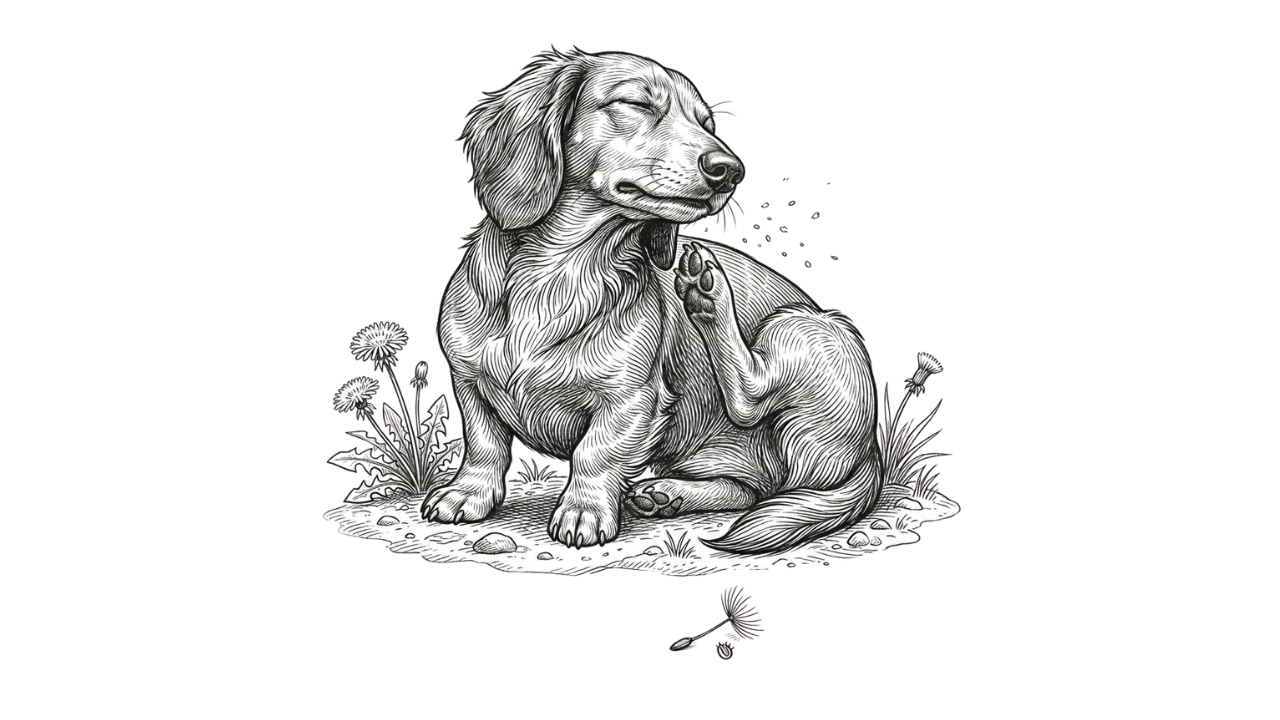
Allergy in Dachshunds – Complete Guide
Why Are Dachshunds Prone to Allergies?
A Dachshund’s unique body shape means their belly, chest, and face are in constant contact with grass, weeds, and chemicals used on pavements during walks. This is one of the reasons allergies are more common in Dachshunds than in many other breeds.
Their long, floppy ears can also contribute to the problem. Limited airflow inside the ears creates the perfect environment for yeast and bacteria to grow — especially when allergies are involved. Recurring ear infections are often one of the first signs that something isn’t right.
Important: Allergies in Dachshunds rarely go away on their own. Without proper diagnosis and treatment, symptoms usually become worse with age and can lead to chronic skin inflammation and secondary bacterial infections.
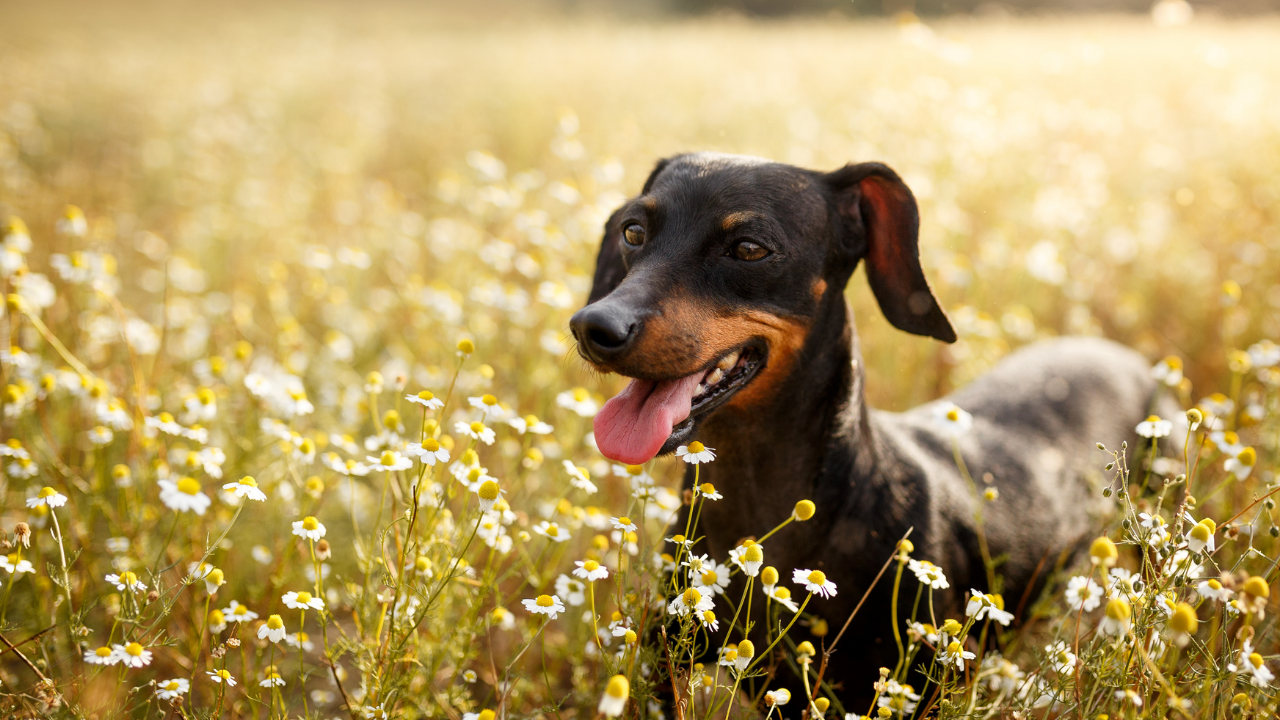
Types of Allergies in Dachshunds
Understanding what you’re dealing with is half the battle. Allergies in Dachshunds generally fall into three main categories:
Food Allergies
A food allergy happens when the immune system reacts incorrectly to a specific protein in your dog’s diet. It can appear suddenly – even after years of eating the same food.
Common triggers include:
- Chicken and poultry
- Beef
- Dairy and eggs
- Grains (gluten)
Environmental Allergies (Atopy)
These allergies are triggered by substances your Dachshund breathes in or comes into contact with through the skin. They’re often seasonal and may worsen during spring and autumn.
Common triggers include:
- Grass and tree pollen
- Dust mites
- Mold spores
- Household cleaners and chemicals used on streets and pavements
Flea Allergy Dermatitis (FAD)
Dachshunds can be extremely sensitive to flea saliva. In some dogs, a single bite is enough to trigger intense itching across the entire body – even if you can’t see any fleas in the coat.
Common signs include:
- Severe itching around the base of the tail
- Hair loss around the lower back and hindquarters
- Visible – or hidden – fleas
How to Recognize Allergy Symptoms in Dachshunds
In Dachshunds, allergies rarely show up as classic sneezing. Instead, watch for these common warning signs:
- Excessive paw licking – Obsessive licking between the toes; fur may turn rusty-brown from saliva.
- Ear problems – Recurring ear infections, head shaking, dark discharge with a yeasty smell.
- Skin issues – Redness on the belly and armpits, bumps, hot spots (oozing sores), dandruff.
- Digestive symptoms – Frequent gas, loose stools, stomach gurgling, vomiting after meals.
- Itching and scratching – Intense scratching around the sides, belly, neck, or eyes.
- Eye symptoms – Watery eyes, red conjunctiva, recurring eye irritation or infections
Important: If your Dachshund is “scooting” (dragging their bottom across the floor), it’s often caused by blocked anal glands — but recurring anal gland problems are very commonly linked to food allergies.
How to Differentiate Types of Allergies in Dachshunds
| Feature | Food Allergy | Atopy (Environmental Allergy) | Flea Allergy Dermatitis (FAD) |
|---|---|---|---|
| Seasonality | Year-round | Seasonal or year-round | Mostly summer/autumn |
| Typical symptoms | Itching, digestive issues, ear problems | Itchy paws, belly, ears | Itching around the rear, base of tail |
| Digestive issues | Yes (common) | Rare | No |
| Age of onset | Any age | Usually 1–3 years | Any age |
| Diagnosis | Elimination diet (8 weeks) | Intradermal allergy testing | Coat and environment check |
| Causal treatment | Diet change | Immunotherapy, medication | Regular flea prevention |
Popular Blood Allergy Tests (Serological) – Important Note:
There are blood-based allergy tests available for food allergies (serological tests). However, their reliability in dogs is low and widely questioned by veterinary dermatologists.
Many specialists agree that these tests can produce misleading or inconsistent results, which may lead to incorrect dietary restrictions.
The only reliable method for diagnosing food allergies in dogs remains the elimination diet.
Diagnosis: How to Find the Cause
Diagnosing allergies is a process of elimination — there is no single test that can reveal everything at once. The key is a structured, step-by-step approach.
- Observation and symptom diary – For 2–3 weeks, track what your Dachshund eats, where they go on walks, and rate itching levels on a scale from 1–10. This helps you (and your vet) spot patterns that are easy to miss day to day.
- Veterinary check and ruling out other causes – Before diagnosing allergies, it’s essential to rule out parasites (fleas, mange), bacterial infections, and fungal skin infections — all of which can look exactly like allergies.
- Elimination diet – the gold standard for food allergies – For at least 8 weeks, your dog must eat only a diet based on a protein source they’ve never had before (e.g. horse, ostrich, kangaroo) or a hydrolyzed diet. No treats, no flavored supplements, and even toothpaste with meat flavor is off-limits. Without strict consistency, the test is invalid.
- Intradermal testing for atopy – Performed by a veterinary dermatologist. This test identifies specific environmental allergens and helps plan immunotherapy (desensitization) if needed.
Effective Treatments and Ways to Relieve Symptoms
Proper diet
- Choose single-protein diets (SAP – Single Animal Protein)
- Carefully read labels — “lamb food” may still contain hidden chicken fat
- Avoid vague ingredients like “animal derivatives” without a clear source
- Chicken and rice is not a safe default — chicken is one of the most common allergens in dogs
Pharmacological support
- Biologic drugs (monoclonal antibodies) – block itch signals without burdening internal organs
- New-generation JAK inhibitors – fast-acting and generally safer than steroids for long-term use
- Steroids – effective short-term, but long-term use may cause side effects
- Immunotherapy (desensitization) – used for confirmed atopic allergies based on intradermal testing
Supplementation
- Omega-3 fatty acids (salmon or krill oil) – help reduce skin inflammation
- Vitamin E – supports the skin’s lipid barrier
- Veterinary probiotics – helpful for food allergies and digestive issues
Flea prevention
- Year-round flea control — not just in summer
- Spot-on treatments or collars with proven effectiveness
- Washing bedding at 60°C and regular vacuuming
- Treat all pets in the household at the same time
Daily Care for an Allergic Dachshund
A consistent daily routine can significantly reduce symptoms and improve your dog’s comfort between veterinary visits:
Medicated bathing
Use shampoos containing chlorhexidine (for bacterial and yeast-related issues) or phytosphingosine (helps restore the skin’s lipid barrier). For atopic dogs, bathing 1–2 times per week is often recommended — it helps wash allergens off the coat and reduce itching. Leave the shampoo on the skin for at least 5–10 minutes before rinsing.
Washing paws after walks
After every walk, wipe your Dachshund’s paws with a damp cloth or pet-safe wipes. This removes pollen, mold spores, and urban chemicals before your dog has a chance to lick them off.
Ear cleaning
In allergic Dachshunds, ears need regular monitoring — at least once a week. Use a dedicated ear-cleaning solution for dogs.
Dark, waxy discharge with a strong odour is a sign that a vet visit is needed.
Practical tip: skin photo diary: Take weekly photos of your dog’s belly, armpits, and between the toes.
This makes it much easier to track improvement or flare-ups over time — and gives your vet valuable visual insight into treatment progress.
More about Dachshund's health
Dachshund heat safety: how to protect your dog from summer heatstroke
Low to the ground, high risk in summer Dachshunds overheat faster than most dogs their size because of their body shape: short legs and a long body keep their belly and chest just inches from hot pavement, and their compact respiratory system has to work harder to...

Spaying and neutering a dachshund: timing, benefits, and spinal health
Most vets recommend waiting until your dachshund is at least 12 months old before spaying or neutering - and for females, some spinal health research supports waiting even longer. Dachshunds carry a lifelong risk of IVDD (intervertebral disc disease), and sex hormones...
Deworming a dachshund – how often and what to use? An owner’s guide
Your dachshund looks perfectly healthy. Eats well, runs to the door when you pick up the leash, and steals your spot on the couch the moment you stand up. And yet there's a decent chance they're carrying intestinal parasites right now - because that's how parasites...
FAQ - Frequently asked questions about allergies in dachshunds
My dachshund has seasonal symptoms - is it an allergy?
Seasonal flare-ups (worse in spring and autumn) are a strong indicator of atopy — an allergy to pollen or mold spores. However, it’s important to remember that dust mites are present year-round and often worsen in winter when dogs spend more time indoors. A precise diagnosis can only be made by a veterinary dermatologist, usually using intradermal testing.
Can dachshunds be allergic to grass?
Yes – and often more than other breeds. Because of their short legs, dachshunds literally brush their bellies along grass during walks, which increases exposure to irritants and can trigger contact dermatitis.
Symptoms usually include redness and itching on the belly, groin, and armpits. Washing paws and the belly after every walk on grass can significantly help reduce irritation.
Is homemade food better for an allergic dachshund?
It can be — but only if the diet is properly balanced by a veterinary nutritionist and based on an appropriate protein source. Home-cooked meals give full control over ingredients, but they must be carefully planned.
Important: “chicken and rice” is one of the worst choices for suspected food allergies, as chicken is one of the most common canine allergens.
How long does an elimination diet take and how do you do it?
A minimum of 8 weeks, with zero exceptions.
No treats, chews, flavored toothpaste, or supplements with meat aroma. Even a single “forbidden” bite can invalidate the entire process.
During this time, the dog eats:
- one novel protein source (e.g. horse or ostrich)
- one carbohydrate source they’ve never had before
If symptoms improve and return after reintroducing the old food, the diagnosis is confirmed.
What is the best food for an allergic dachshund?
The key is a single-protein diet based on a protein your dog has never eaten before.
Common options include:
- horse
- ostrich
- kangaroo
- venison
- duck (only if previously never eaten)
Hydrolyzed diets (where protein is broken down into amino acids) are another option for dogs with multiple or severe allergies.
Always consult your vet before making dietary changes.
Want to learn more about dachshund health?
Join our newsletter
Adres
Dachshunds Planet
Disclaimer: This site contains affiliate links, which means we may earn a commission on purchases made through them.