
Dachshund Varieties: The Complete Guide to Sizes, Coat Types & Colors
Did you know there are 9 official Dachshund varieties?
Discover them all — from differences in size and appearance to personality, grooming needs, and health considerations. Learn what makes each type unique and find out which Dachshund variety might be the perfect fit for your lifestyle.
Why Are There So Many Dachshund Varieties?
To most people, a Dachshund is simply “a long dog with short legs.” But in the world of dog breeds, there are actually 9 official Dachshund varieties recognized by kennel clubs. These varieties are based on a unique combination of two traits: size (measured by chest circumference) and coat type.
All Dachshunds fall under the American Kennel Club Breed Standard. But choosing the right variety isn’t just about looks — it’s also about finding a dog whose personality, energy level, and grooming needs truly match your lifestyle.
Dachshund Breed Characteristics
Breed Name: Dachshund (also known as Dackel or Teckel)
Country of Origin: Germany
Meaning of the Name:
The word Dachshund literally means “badger dog.” The breed was originally developed for hunting badgers and other burrowing animals, which is where their fearless personality and determined nature come from.
Build & Appearance:
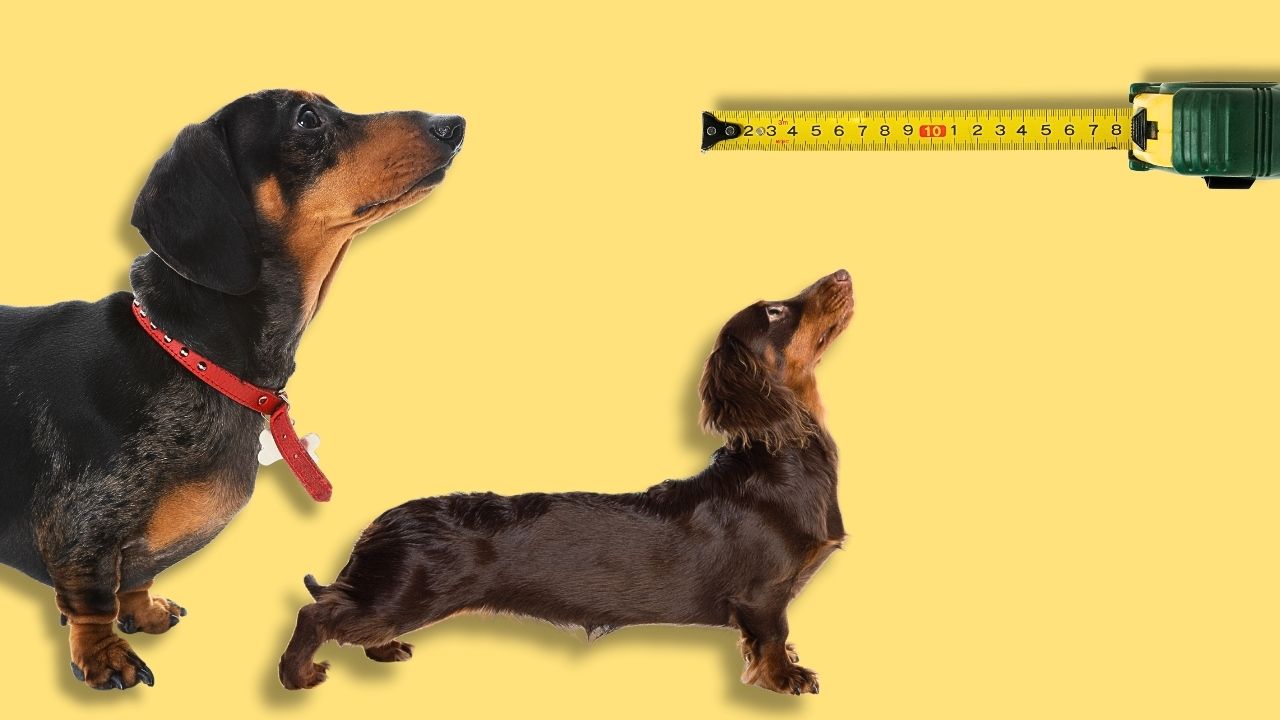
Dachshunds have a compact, muscular body with a long torso, short powerful legs, and a small head with long, floppy ears. Their unique shape was designed to help them move easily through tunnels and dens underground.
Temperament:
Dachshunds are cheerful, energetic dogs with strong hunting instincts and a natural tendency to chase small animals and birds. They’re famous for their confidence, brave personality, and surprisingly loud bark for such a small dog.
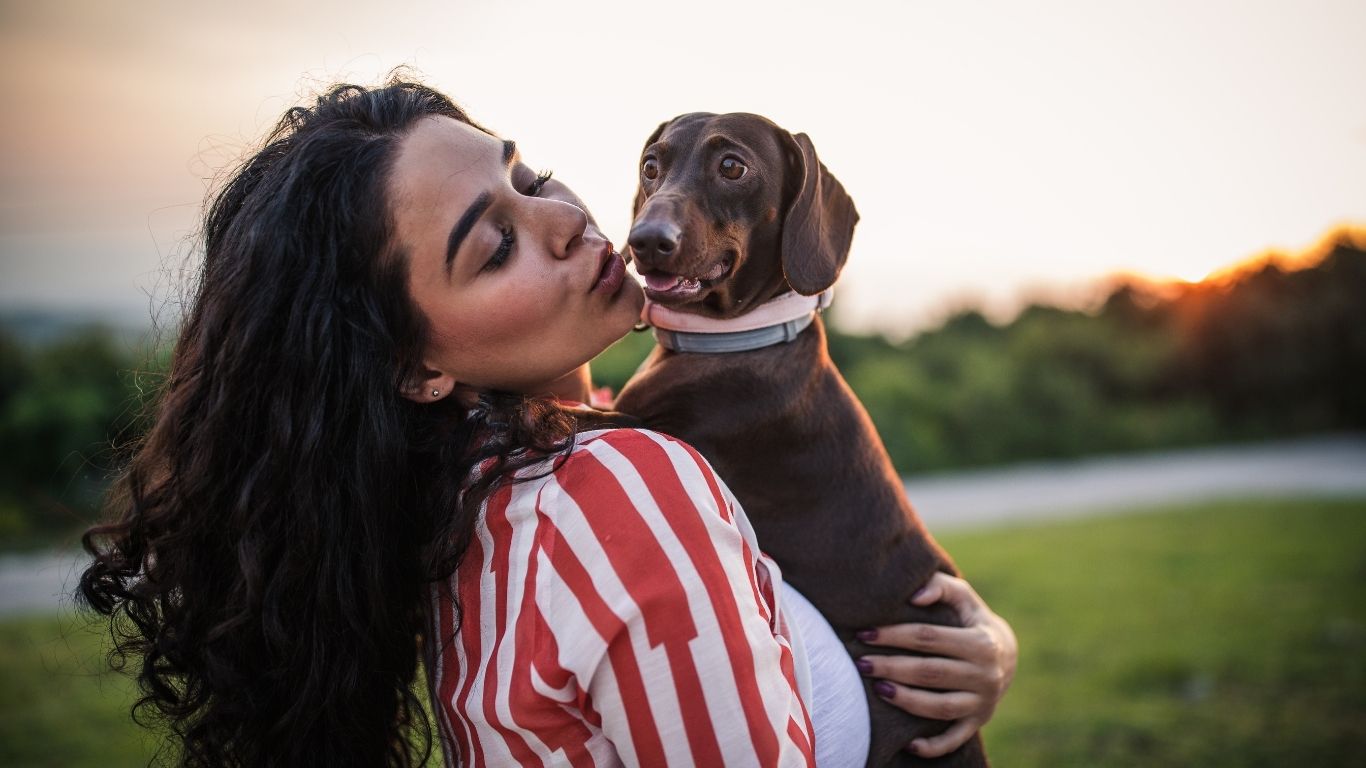
This is an incredibly intelligent breed that responds well to training — especially when consistency and patience are involved. Dachshunds form deep bonds with their humans and are known for being loyal, affectionate companions.
That said, personality can vary depending on the variety. Some are more energetic and outgoing, while others tend to be calmer or more independent. No matter the type, Dachshunds need attention, proper socialization, and gentle but consistent guidance to truly thrive.
Dachshund Classification: Size & Coat Types
Unlike many dog breeds where weight is the main factor, Dachshunds are classified primarily by chest circumference, measured after the dog reaches 15 months of age.
The 3 Dachshund Sizes
Standard Dachshund
Chest circumference: over 35 cm
Weight: up to around 9 kg
The original working Dachshund — strong, determined, and built for endurance in the field.
Miniature Dachshund
Chest circumference: 30–35 cm
Weight: around 4–5 kg
The most popular choice for apartment living, combining the classic Dachshund personality with a slightly smaller size.
Rabbit Dachshund (Kaninchen Dachshund)
Chest circumference: up to 30 cm
Weight: around 3–3.5 kg
The smallest Dachshund variety, originally bred to work in narrow rabbit burrows and tunnels.
The 3 Coat Types
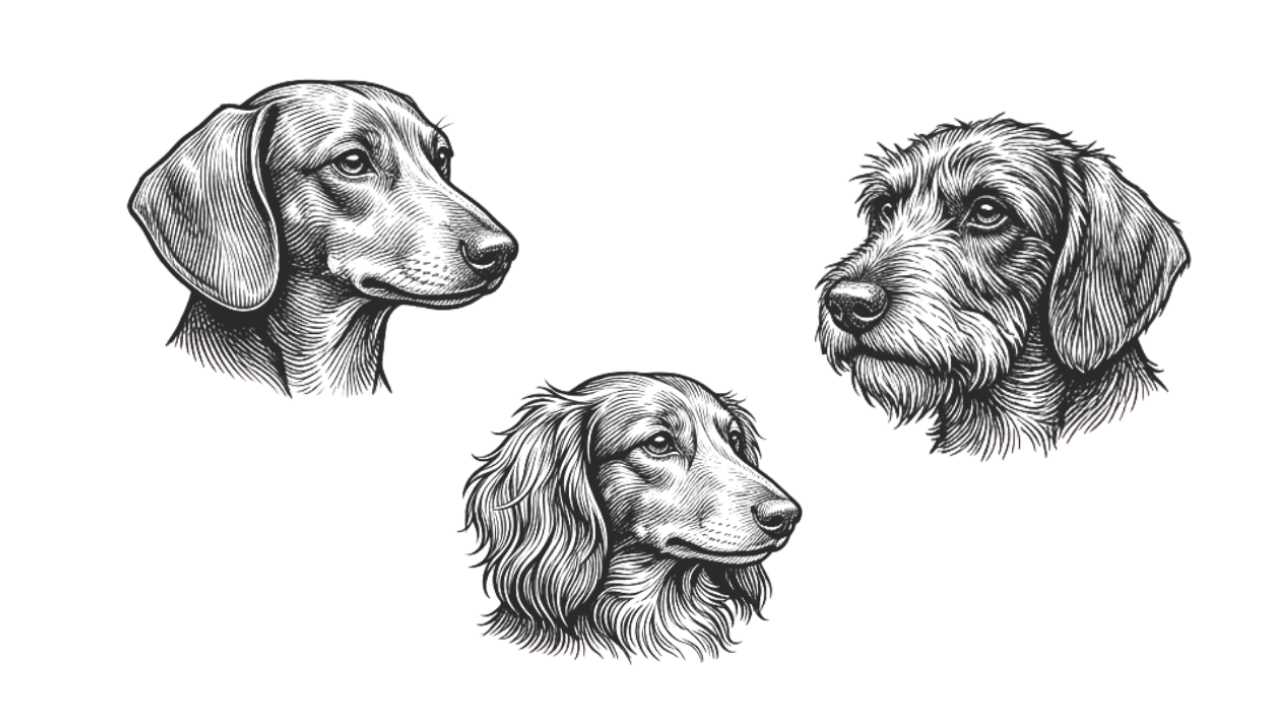
Smooth-Haired Dachshund
Short, sleek, shiny coat without bald patches. The classic, iconic Dachshund look.
Long-Haired Dachshund
Soft coat with an undercoat, featuring beautiful feathering on the ears, chest, legs, and tail.
Wire-Haired Dachshund
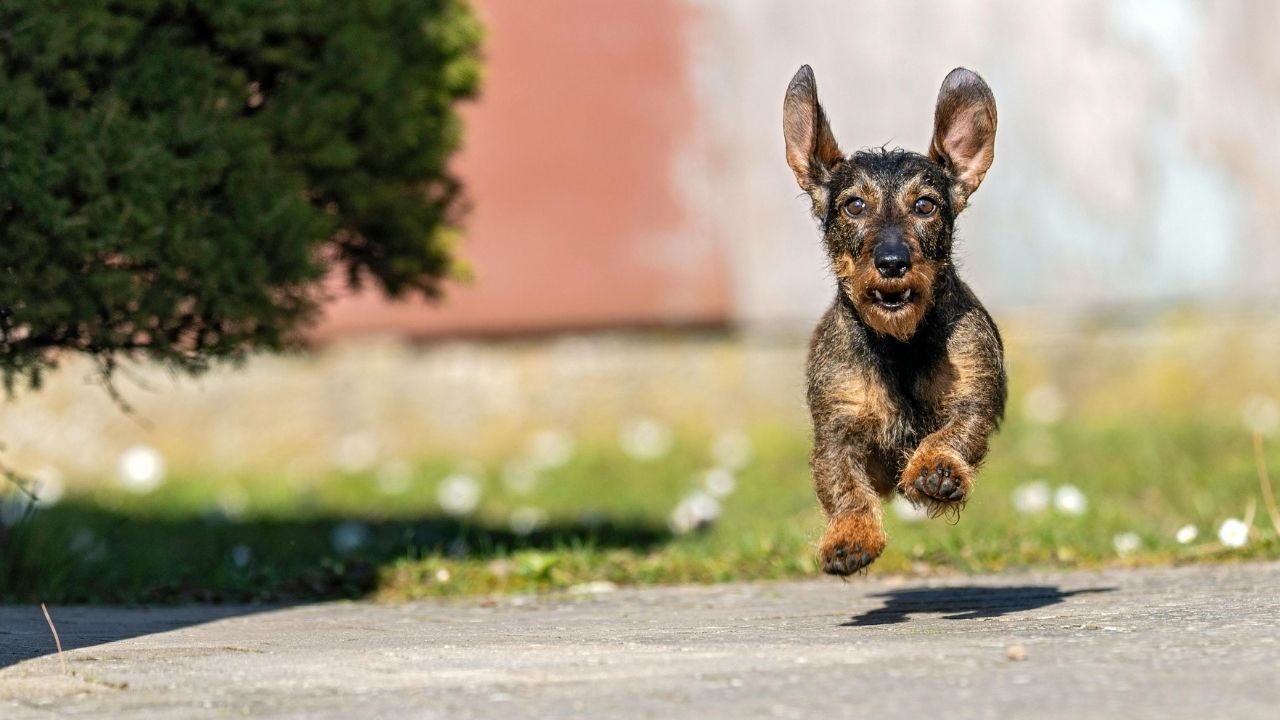
Dense, rough coat with distinctive eyebrows and a charming beard that gives them their wonderfully scruffy expression.
Dachshund Coat Colors
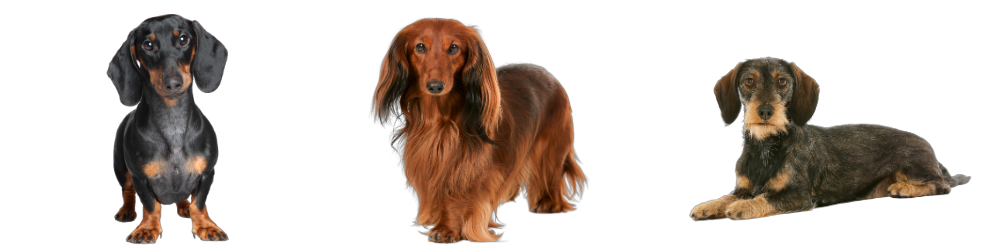
Dachshund coats come in an incredibly rich variety of colors and patterns. Some dogs are solid-colored, while others display beautiful multi-color combinations. No matter the shade, proper grooming is essential to keep their coat healthy, shiny, and in great condition.
The breed standard allows many variations, although it’s important to remember that not every color or pattern is officially accepted in show standards.
Solid & Bi-Color Dachshunds
These include both single-color and two-tone coats, with no patterns.
Common examples include:
- Red
- Black & tan
- Chocolate & tan
- Black & cream
- Chocolate & cream
- Solid black
- Solid chocolate
Each variation has its own charm, but all share that classic Dachshund expression we know and love.
Additional Coat Colors
Wild Boar
Most commonly seen in wire-haired Dachshunds, this unique coat creates a naturally blended, earthy look.
Cream Dachshund
Soft shades of cream, ranging from pale to slightly shaded tones.
Blue & Isabella (Lilac)
Diluted versions of black (blue) or chocolate (isabella), creating a soft, muted grey-beige appearance.
Dachshund Coat Patterns
Piebald
Distinct patches of color on a white base, often with a solid-colored head.
Brindle
Striking dark stripes layered over a lighter base coat, like a natural tiger pattern.
Dapple / Merle
A marbled mix of lighter and darker patches creating a beautifully speckled effect.
Sable
Most often seen in Long-Haired Dachshunds. From a distance, they may look red or two-toned, but each individual hair has a darker tip with a lighter base. The face and legs often appear more solid in color, giving a soft, shaded effect.
Temperament: Does Coat Type Determine Personality?
In the world of dog breeding, there’s a clear consensus: coat color is simply the “outer layer” — it doesn’t shape a Dachshund’s personality. There’s no scientific evidence that genes responsible for colors like black or chocolate have any real influence on temperament.
But what about coat type?
While every Dachshund is an individual, breeders and owners often notice some general trends:
- Wire-Haired Dachshunds are often described as more energetic, bold, and a little mischievous.
- Long-Haired Dachshunds are commonly seen as calmer, more gentle, and easygoing.
- Smooth-Haired Dachshunds tend to be confident, independent, and full of classic Dachshund attitude.
Of course, these are tendencies — not rules. Every Dachshund has its own unique personality shaped far more by upbringing, socialization, and environment than by coat type alone.
Grooming & Health: What You Need to Know
Living with a Dachshund means loving their personality — but also understanding their unique care needs. Each coat type comes with its own grooming routine, and all Dachshunds share some important health considerations.
Grooming Challenges by Coat Type
Smooth-Haired Dachshund
Low-maintenance when it comes to brushing, but they feel the cold easily. In winter, a warm dog coat isn’t just cute — it’s essential for their comfort.
Long-Haired Dachshund
Requires regular brushing (at least 2–3 times a week), especially around the ears and the “feathering” on their legs and tail, where tangles tend to form quickly.
Wire-Haired Dachshund
The lowest shedding coat type, but it needs hand-stripping (removal of dead hair) 2–3 times a year. Important note: clipping with a machine damages the coat structure and reduces its natural protection against moisture.
Health Considerations (Prevention Matters)
All Dachshunds are at risk of IVDD (Intervertebral Disc Disease), a spinal condition that affects the breed due to their long backs.
The Dachshund Planet expert advice is simple but powerful:
Keep your Dachshund at a healthy weight and avoid excessive stair climbing or jumping, especially from furniture.
Miniature and Rabbit Dachshunds can be more prone to physical injuries due to their more delicate build, so extra care and prevention go a long way in keeping them safe and happy.
Frequently Asked Questions
Is a Miniature Dachshund the same as a Rabbit (Kaninchen) Dachshund?
No. They differ in chest circumference. The Rabbit Dachshund is smaller and lighter than the Miniature.
Which Dachshund sheds the least?
The Wire-Haired Dachshund sheds the least, as long as it’s properly hand-stripped. Interestingly, the tiny “spiky” hairs of Smooth-Haired Dachshunds tend to be the most noticeable and hardest to remove from fabrics and carpets.
Is a Standard Dachshund suitable for apartment living?
Yes — as long as they get enough daily exercise outside. Dachshunds are active dogs, not natural couch potatoes.
Are Dachshunds good family dogs?
Yes, with proper socialization and teaching children how to interact respectfully with dogs. Adult supervision is especially important with young children.

Rabbit Dachshund: size, weight, temperament, health & care guide
The Rabbit Dachshund, also known as the Kaninchen Dachshund, is the smallest Dachshund variety recognized by the Fédération Cynologique...
Why are Dachshunds called Doxies?
Spend some time around dachshund owners, and you’ll hear the word ‘Doxie’ for sure. It’s the go-to term for owners, breeders, and social media...
Miniature vs Standard Dachshund: Which One Is Right for You?
If you’ve fallen in love with that long body and curious face (who hasn’t?), the next big question is:Should you choose a miniature or a standard...