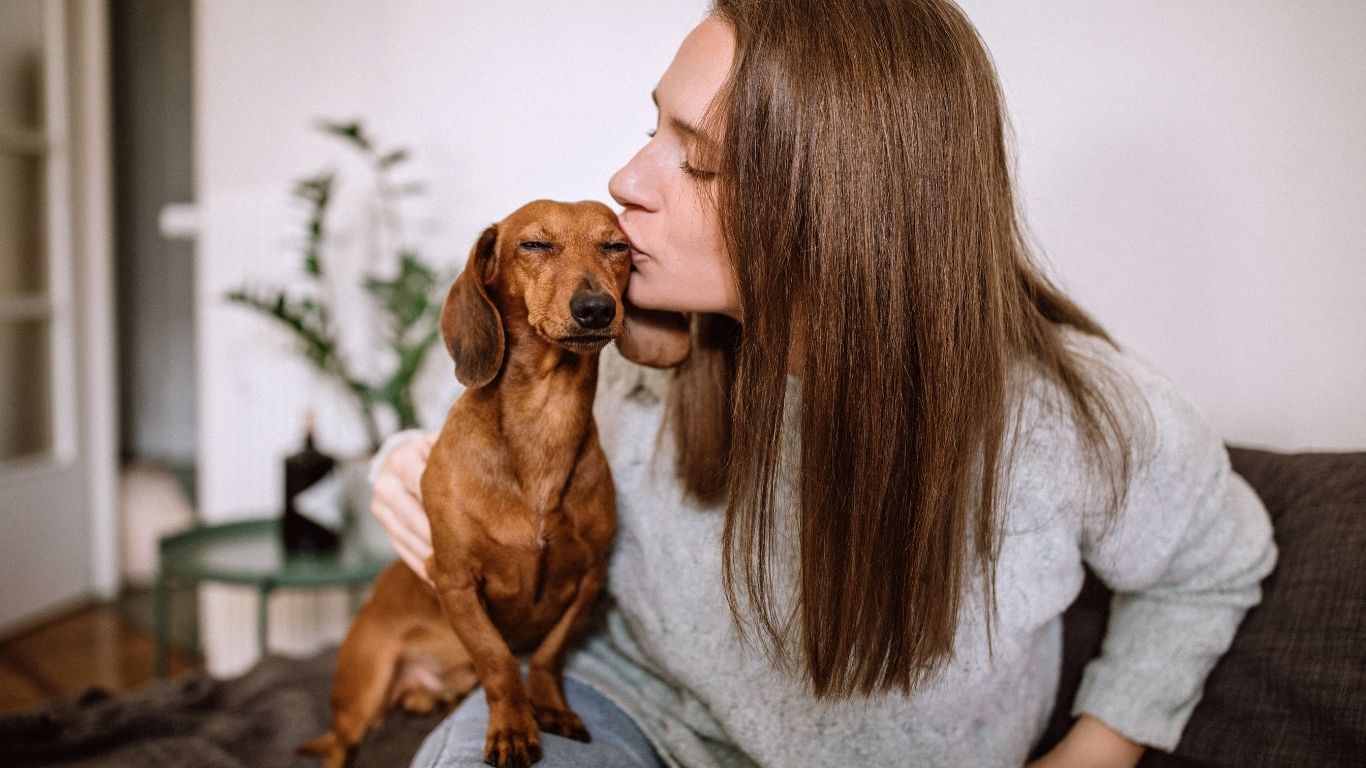
The short answer? Yes, many dachshunds do have a favorite person. These little dogs are known for their strong dachshund bonding behavior. They often form a close attachment to their owner, usually the person who feeds them, plays with them, or spends the most time around.
It’s like they pick their special human and stick to them like Velcro. You might notice your dachshund following that one person everywhere, wanting to snuggle on their lap, or getting excited just hearing their voice.
While dachshunds can be friendly and loving to everyone, they usually show loyalty by bonding most deeply with one person. This is part of their unique dachshund personality traits and how they express their love.
Why dachshunds bond with one person
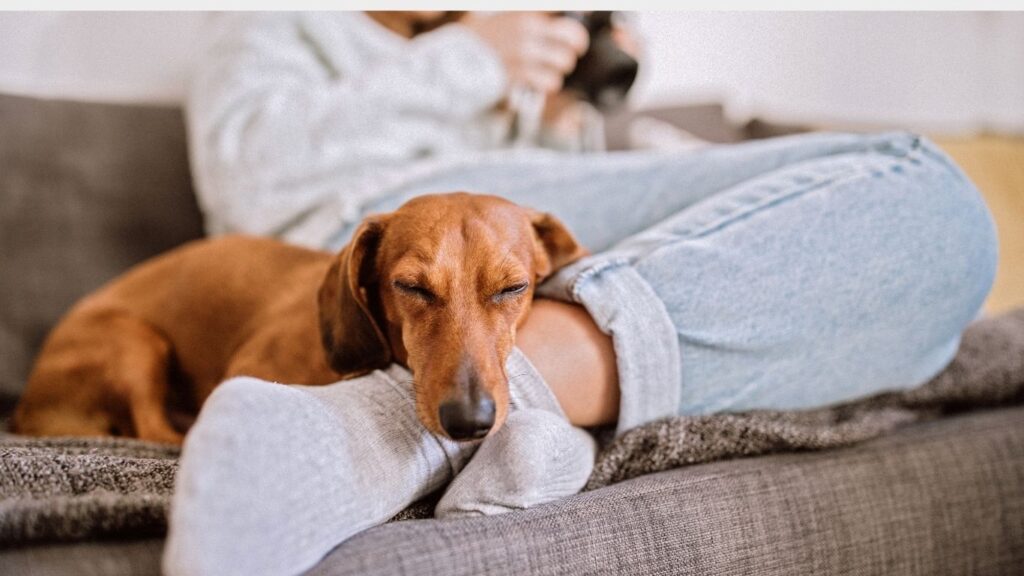
Dachshunds form intense single-person attachments because of their hunting history. Bred in Germany to track and pursue badgers underground, they worked closely with one handler – not a household, a team, or a crowd. That handler was their entire world, and the instinct hasn’t gone anywhere.
Even though dachshunds are rarely used as hunting dogs anymore, their instinct to bond with one person more than any other remains. It was common practice for a hunter and their scent hound to be bonded closely together. From the hound’s point of view, there was only one human in the whole wide world they cared for – the one who fed them, trained them, and whose commands they followed.
That’s not a quirk. It’s a behavioral trait that was actively selected for over generations of working dogs, and it shows up reliably in the breed today. Your dachshund isn’t being antisocial toward the rest of the family. They’re doing exactly what they were shaped to do – pick their person and commit.
There’s also a temperament piece to this. Dachshunds have a strong respect for authority and were bred to be brave enough to survive the hunt. They act as protectors, and they aren’t afraid to boss others around – even animals that tower over them. A dog with that kind of confidence and independence needs a clear primary attachment. One person who represents security, authority, and routine. For most dachshunds, that’s exactly what the favorite-person bond provides.
How dachshunds choose their favorite person
Dachshunds don’t always choose the person who loves them most – they tend to choose the person who was most present during early development, who provides the most consistent care, and occasionally someone whose energy or manner simply resonates with them in a way that’s hard to quantify.
The developmental window matters significantly. Most dogs bond most strongly with people who cared for them during the key socialisation period, which happens between birth and six months. During this time, their brains are highly receptive, and their experiences at such a young age influence them for the rest of their lives. If one person in a household was the primary caregiver during those early months – the one feeding, training, and spending floor time with a young dachshund – that person tends to hold the position for life.
But it isn’t always purely about care. Sometimes the favorite person isn’t the main caregiver at all. It could be that a person has certain mannerisms, the right tone of voice, or a particular energy that attracts the dachshund. There may be something about that person’s chemistry that the dog responds to beyond what we can fully explain.
What we do know: routine care builds attachment fast. Physical affection reinforces the bond – grooming sessions, walks, filling the bowl every morning. A dachshund who receives consistent care and physical contact from one person will most likely seek that person out over others.
Signs your dachshund has chosen you
The signs of a dachshund choosing a favorite person are hard to miss once you know what you’re looking at. It’s less about general affection – they’re friendly with everyone – and more about who they treat as their anchor.
If your dachshund has a bond with one member of the family, they’re happiest when they see that person. They show different body language around them – flattened ears, a wiggling body, heightened attention.
Beyond that, watch for:
- Sleep placement – where a dachshund chooses to sleep is meaningful. If they consistently choose to be in physical contact with one person rather than simply nearby, that’s a clear attachment signal..
- Shadowing – following you specifically from room to room, not just following whoever is moving around. There’s a difference between a dog who wanders the house and one who is tracking a particular person.
- Checking in – in unfamiliar environments or stressful situations, a bonded dachshund will look back at their person repeatedly. They’re using you as a reference point for whether something is safe.
- Selective listening – a well-bonded dachshund responds more quickly to their favorite person’s commands and calls, demonstrating the strength of that specific connection.
- Protective positioning – placing themselves between their person and anything that feels like a threat, including other dogs, strangers, or even other family members asking for your attention.
When loyalty becomes clinginess
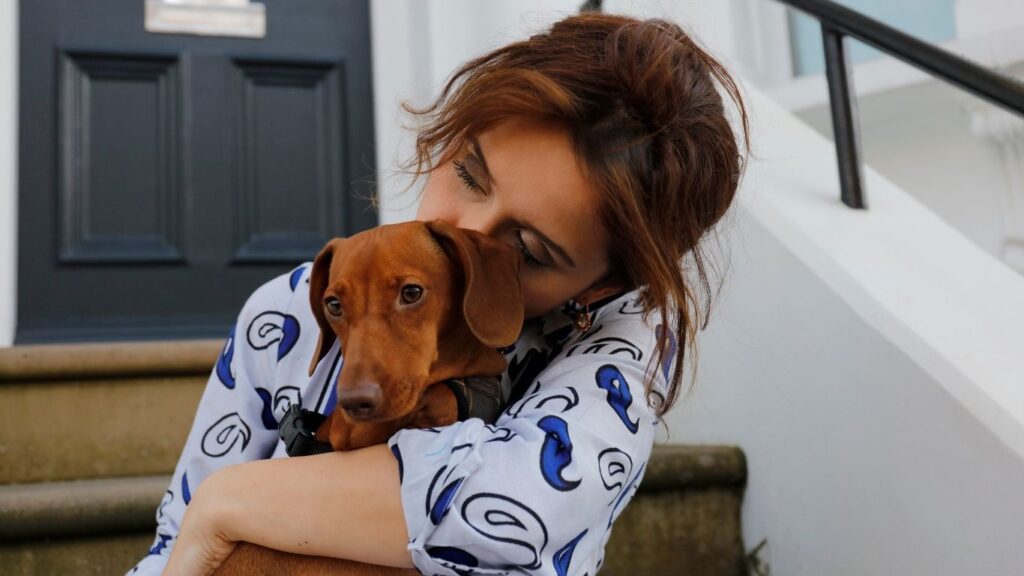
There’s a genuine difference between a dachshund who has bonded deeply with one person and one who is struggling with separation anxiety. The first is a breed characteristic. The second is a welfare issue that needs addressing.
Separation anxiety in dachshunds is not stubbornness or spite – it is a panic response to being alone or separated from a specific person. Dachshunds are people-focused and clever, which makes prevention and treatment a priority.
Common signs include vocalizing soon after you leave, pacing, panting, drooling, scratching at doors, destructive chewing near exits, house soiling only when alone, and refusing to eat until you return. If your dachshund does these things only in your absence – not when you’re home – separation anxiety is the likely explanation, not boredom or normal settling behavior.
Dachshunds are often very schedule-oriented and upset by change. Helping your dog stay calm by maintaining regular feeding, exercise, and departure routines reduces anxiety significantly – if your dachshund knows you’ll come home within a predictable timeframe, they cope better with the absence.
For mild cases, gradual alone-time training works well – short absences that build in duration over days and weeks. For more severe cases, speak to your vet. Pain, urinary infections, and even medication side effects can present as anxiety, and ruling those out before treating behaviorally is worth doing.
Can a dachshund bond with a whole family?
Yes – and this is worth being deliberate about, especially if you have children or multiple people in the household. A dachshund who bonds exclusively with one person to the exclusion of everyone else can become difficult to manage and, in some cases, reactive.
Dachshunds can bond with more than one person, but you need to work at it so they understand who’s in charge and don’t become possessive. Good early socialization with the whole family goes a long way toward preventing jealous or controlling behavior.
The practical approach: make sure multiple people in the household are involved in feeding, walking, and training from the beginning. If a dachshund spends too much time playing and bonding with just one person, they bond deeply with that person to the exclusion of others – which is not something to actively encourage. It doesn’t mean distributing affection mechanically, but it does mean being intentional about who does what with the dog.
Dachshunds can get possessive because they genuinely see their favorite person as belonging to them – the same way they get possessive over toys or food. Establishing clear household hierarchy, where the dog understands they are not in charge of anyone, prevents this from developing into snapping or reactive behavior toward others.
How to become your dachshund’s favorite person
The fastest route to a dachshund’s loyalty is consistent, calm, daily care – paired with the understanding that you can’t force it. Dachshunds are perceptive enough to distinguish genuine attention from performative affection.
These are the things that genuinely build the bond:
- Be the one who feeds them. Food matters enormously to this breed. Dachshunds are highly food-motivated and will tend to bond most closely with the person who feeds them – they’re smart enough to connect care with reward, and that connection shapes attachment.
- Build a routine together. Dachshunds are creatures of habit. Morning walks, consistent mealtimes, a regular play session – these repeated shared experiences are the foundation of a deep bond. They need to know what to expect from you.
- Use your voice well. Tone matters more to dachshunds than volume. A calm, clear, consistent voice builds trust faster than enthusiastic or erratic interaction. They are emotionally perceptive dogs who pick up on tension and inconsistency.
- Give physical contact consistently. Grooming, slow petting, time spent in proximity – physical affection reinforces attachment in a way that brief, energetic interaction doesn’t. A dachshund who gets calm physical contact daily from one person bonds to that person quickly.
- Train with positive reinforcement. Time spent in focused training – even five minutes of reward-based work per day – builds a working relationship that goes beyond simple affection. A dachshund who associates you with clear communication and good outcomes trusts you at a deeper level.
FAQ
Can a dachshund change their favorite person?
It happens, though it’s not common once a deep bond has formed. The most likely triggers are a significant change in care responsibilities – if the person who previously fed and walked the dog is no longer doing so, and someone else takes over consistently – or a major life change like a new home, a new baby, or a long absence. Dachshunds can and do form new bonds, particularly if they’re young when the change happens. An adult dog who has had one primary attachment for years is less likely to shift that bond, but they can learn to trust and connect with a new primary person over time.
Is a dachshund’s attachment to one person healthy?
A strong bond with one person is completely normal for the breed and not inherently a problem. It becomes a concern when the attachment crosses into separation anxiety – when the dog cannot settle in that person’s absence, shows destructive behavior, vocalizes excessively, or loses the ability to function independently. A well-adjusted dachshund can be deeply bonded with one person and still cope calmly when that person leaves the house. Building that independence from puppyhood, through gradual alone-time training and not reinforcing clingy behavior, is what keeps the bond healthy.
Why does my dachshund follow me everywhere?
Shadowing behavior is one of the clearest signs of a primary attachment bond in dachshunds. It comes from their pack instincts – in a working dog context, staying close to their handler was both practical and emotionally important. In a home context, following you room to room is your dachshund keeping their anchor point in sight. It’s usually harmless, but if it’s accompanied by visible distress when you leave their sight even briefly – panting, whining, inability to settle – it may indicate anxiety that’s worth addressing with gradual independence training.
Do dachshunds get jealous?
Yes, and it can be more than just theatrical sulking. Dachshunds who have formed a strong single-person bond can become genuinely reactive when that person’s attention goes elsewhere – whether toward another dog, a partner, or a child. This shows up as nudging, barking, placing themselves physically between their person and whoever has the attention, or in more extreme cases, snapping. It’s rooted in the same protective instinct that makes them good watchdogs. The key is making sure the dog understands that jealous behavior doesn’t produce results – rewarding calm behavior when you give attention to others is more effective than either punishment or simply allowing it.
How do I know if my dachshund has separation anxiety or is just bonded to me?
The clearest indicator is what happens when you actually leave. A dachshund who is deeply bonded but emotionally stable may watch you go, settle within a few minutes, and spend your absence sleeping or relaxed. A dachshund with separation anxiety escalates – vocalizing, pacing, refusing to eat, or being destructive – and doesn’t settle until you return. Setting up a camera to observe what actually happens after you leave is the most accurate way to tell the difference. If the behavior is genuinely distressing and consistent, a vet check is a good first step before behavioral intervention.
Can dachshunds be good family dogs if they bond so strongly to one person?
Absolutely – with the right management from the start. A dachshund who is socialized well across the whole household, with multiple people involved in feeding, training, and daily care, can be affectionate and engaged with the whole family while still having a primary person. Problems tend to arise when one person exclusively manages the dog, particularly in the early months, which leaves the dog under-connected to everyone else. The breed’s loyalty is one of its best qualities when it’s distributed thoughtfully. A dachshund who trusts the whole family is a better-adjusted dog than one whose entire emotional world depends on one person never leaving the room.
What’s the difference between a dachshund’s loyalty and stubbornness?
They’re related but distinct. The loyalty is about attachment – who they trust, who they follow, whose commands they prioritize. The stubbornness is about independence. Dachshunds are scent hounds who were bred to make decisions in the field without checking with a handler first, which means they have a strong instinct to assess situations themselves rather than defer automatically. That comes out in training as selective responsiveness. A dachshund isn’t ignoring you because they don’t care; they’re often weighing whether your request makes sense to them. Positive reinforcement training, where compliance leads to something the dog genuinely wants, works with this rather than against it.
Conclusion
The dachshund’s attachment to one person isn’t a flaw in the breed. It’s one of the defining things about them. That intensity of loyalty, the way they track your movements and check in when something’s uncertain and choose you specifically out of everyone in the room, is part of what makes this breed so different from more emotionally distributed dogs.
What matters is keeping that loyalty healthy. A dachshund who loves their person but can also settle alone, engage warmly with other family members. They can handle normal daily comings and goings without distress. That balance doesn’t happen automatically. It’s built through good early habits, thoughtful socialization, and not letting the bond tip into codependence.
If you’ve seen your dachshund exhibit any of these behaviors, or you’ve got your own theory about how yours chose their person, we’d love to hear it in the comments.


0 Comments