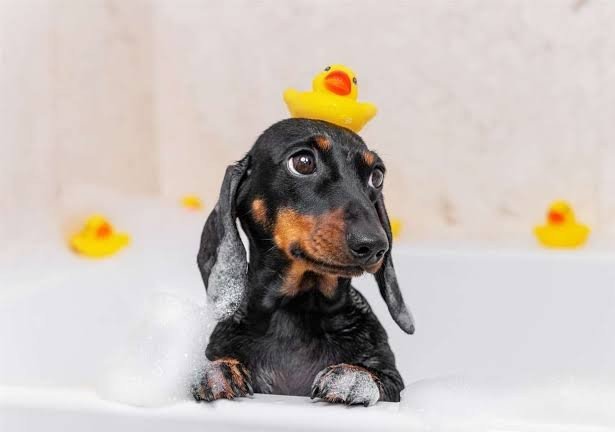
Bathing a Dachshund is about much more than keeping them clean. Because of their long backs and short legs, protecting their spine during bath time is just as important as using the right shampoo.
Most healthy Dachshunds only need a full bath every 2–3 months, although long-haired and wire-haired varieties may benefit from more frequent grooming. Always use a dog-specific shampoo, place a non-slip mat in the tub, support your Dachshund when lifting them in and out, rinse thoroughly, and dry them completely – especially around their ears and chest.
With the right approach, bath time can become a stress-free routine that keeps your Doxie’s skin healthy, coat shiny, and back protected.
What you’ll find in this guide:
- How often should you bathe a Dachshund?
- Preparing for bath time safely
- Why IVDD safety matters
- Choosing the best shampoo
- Step-by-step bathing instructions
- Drying and aftercare
- Common bathing mistakes
- FAQs
- Expert grooming tips
Bathing a Dachshund Isn’t Like Bathing Most Dogs
If you’ve ever shared your home with a Dachshund, you already know they rarely do anything the ordinary way – including bath time.
Their unique body shape means they’re more vulnerable to spinal injuries than most breeds. Add a slippery bathtub into the mix, and a routine bath can quickly become risky if you aren’t careful.
The good news? Bathing your Dachshund doesn’t have to be difficult.
Whether you have a smooth-haired, long-haired, or wire-haired Doxie, a little preparation goes a long way toward making bath time safe, easy, and even enjoyable.
In this guide, we’ll walk you through everything you need to know – from choosing the right shampoo to protecting your Dachshund’s back and avoiding the most common bathing mistakes.
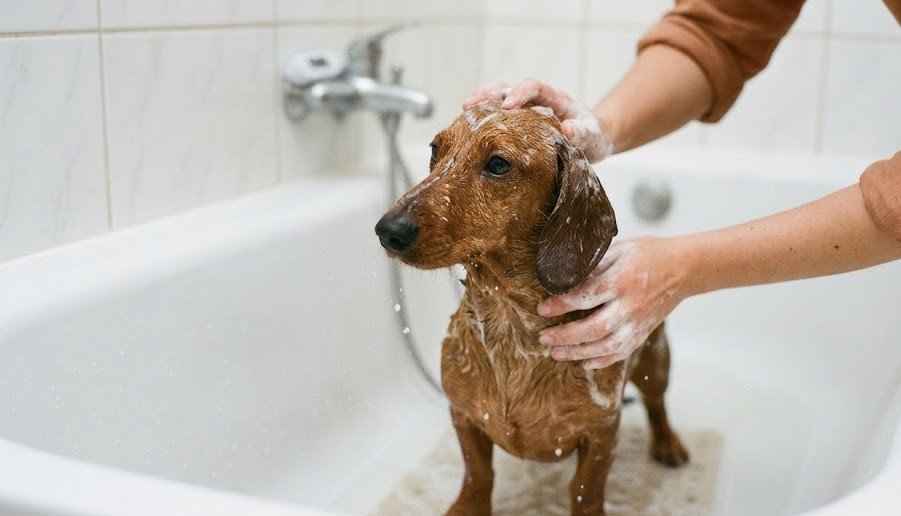
How Often Should You Bathe a Dachshund?
One of the biggest misconceptions among new Dachshund owners is that dogs need frequent baths. In reality, less is often more.
Bathing too often strips away the natural oils that keep your dog’s skin healthy and their coat soft and water-resistant. Over time, excessive bathing can lead to:
- Dry, flaky skin
- Itching
- Dandruff
- Coat dullness
- Skin irritation
Instead of following a strict schedule, follow the “dirty dog rule.” If your Dachshund still smells fresh and isn’t visibly dirty, they probably don’t need a bath.
Smooth-Haired Dachshunds
Smooth-coated Dachshunds are the easiest to maintain. Their short coat doesn’t trap much dirt, making frequent baths unnecessary.
A full bath every 8–12 weeks is usually enough for healthy adult dogs.
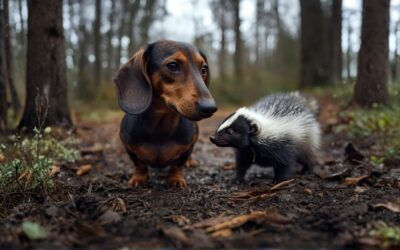
Of course, exceptions happen. If your adventurous little sausage dog rolls in mud, finds something smelly to investigate, or enjoys an unfortunate encounter with wildlife, an extra bath is perfectly reasonable.
Long-Haired Dachshunds
Long-haired Dachshunds collect much more debris than their smooth-coated cousins.
Their feathering around the legs, belly, and tail tends to trap:
- Mud
- Leaves
- Burrs
- Grass seeds
- Sand
Many owners find that bathing every 4–6 weeks keeps their coat looking its best.
However, that doesn’t mean giving a full shampoo every time they come home dirty.
Simply rinsing muddy paws and the underside after walks is often all that’s needed between baths.
Wire-Haired Dachshunds
Wire-haired Dachshunds have a dense double coat designed to protect them outdoors.
Although dirt doesn’t penetrate the coat as easily, their beard, legs, and belly often become dirty during walks.
A bath every 4–8 weeks is usually sufficient, depending on their lifestyle.
If your wire-haired Dachshund is hand-stripped, avoid over-bathing, as excessive washing can soften the coat and reduce its characteristic wiry texture.
Signs Your Dachshund Actually Needs a Bath
Rather than watching the calendar, look for these signs:
- They smell noticeably “doggy”
- Their coat feels greasy
- Dirt remains after brushing
- They rolled in something unpleasant
- Their white fur (if any) looks dingy
- Allergens or pollen have built up after outdoor adventures
If none of these apply, a quick brush may be all your pup needs.
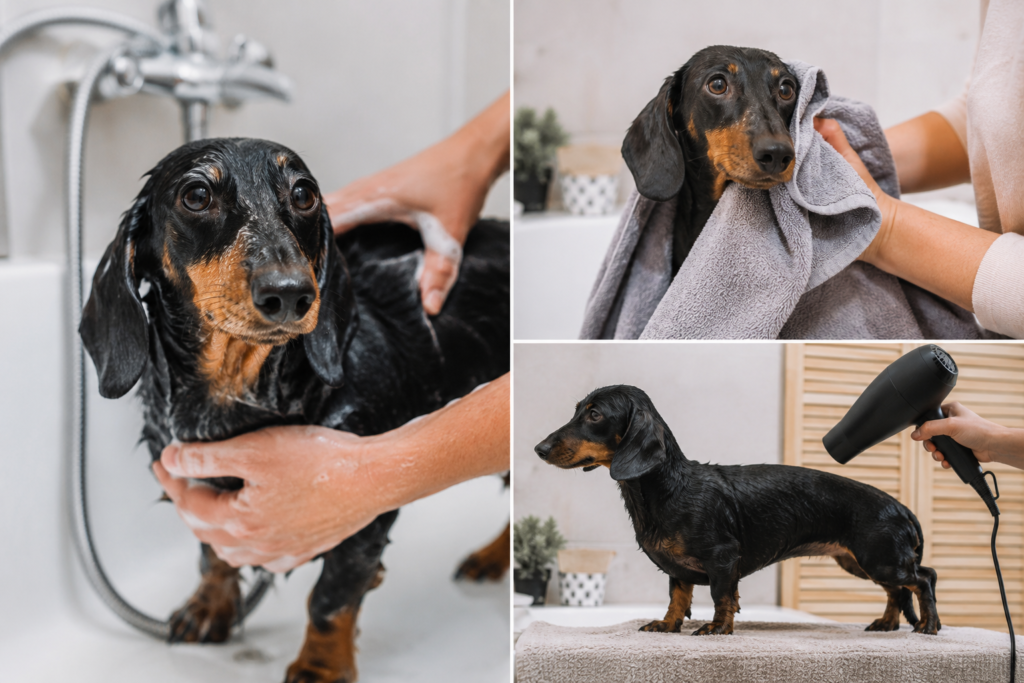
Preparing for Bath Time: Safety Comes First
For most dogs, bath time is simply about getting clean. For Dachshunds, it’s also about protecting their spine.
Because Dachshunds have unusually long backs supported by relatively short legs, they’re one of the breeds most commonly affected by Intervertebral Disc Disease (IVDD). While a bath won’t cause IVDD, sudden twisting, slipping, jumping, or awkward landings can place unnecessary strain on the spine.
That’s why setting up your bathing area correctly is one of the most important parts of the entire process.
Prevent Slips with a Non-Slip Surface
A slippery bathtub is one of the biggest hazards for a Dachshund. When dogs feel unstable, they instinctively tense their muscles, scramble for grip, and sometimes jump unexpectedly.
Place a rubber non-slip bath mat or towel on the bottom of the tub before adding any water. Your Dachshund should be able to stand confidently without their paws sliding underneath them.
This simple step dramatically reduces stress—and lowers the risk of injury.
Never Let Your Dachshund Jump Into or Out of the Tub
This is perhaps the single most important rule. Even healthy Dachshunds should never leap into or out of a bathtub, shower, or grooming table.
Instead:
- Lift them with both hands.
- Support the chest with one arm.
- Support the hindquarters with the other.
- Keep their spine as level as possible.
A gentle lift takes only seconds but helps reduce unnecessary strain on their back.
Keep the Water Shallow
Your Dachshund doesn’t need to stand in several inches of water. In fact, they’ll usually feel much more comfortable if there’s only enough water to wet their paws while you rinse the rest of their body using a handheld showerhead or a cup.
Less water means:
- less splashing
- less anxiety
- easier rinsing
- better stability
Reduce Stress Before It Starts
Many Dachshunds dislike baths simply because they’re unsure what’s happening. You can make bath time much easier by keeping the experience calm and positive.
Some owners spread a small amount of xylitol-free peanut butter on the shower wall or use a silicone lick mat. Licking releases calming endorphins and gives many dogs something enjoyable to focus on while they’re being bathed.
Important: Always double-check the ingredient list. Peanut butter containing xylitol (sometimes labeled as birch sugar) is extremely toxic to dogs, even in small amounts.
Choosing the Best Shampoo for a Dachshund
Walk down the pet aisle and you’ll find dozens of shampoos promising shinier coats, brighter colors, softer fur, and healthier skin. So which one should you choose? The answer depends on your Dachshund’s coat type – and just as importantly, what you should avoid.
Never Use Human Shampoo
This is one of the most common grooming mistakes. Human skin is naturally more acidic than canine skin. While our skin has a pH of around 5.5, a dog’s skin is closer to neutral (around pH 6.5–7.5).
Using human shampoo can disrupt your Dachshund’s skin barrier, leaving it dry, itchy, and more vulnerable to irritation or infection. Even “gentle” or baby shampoos aren’t formulated for canine skin. Stick with shampoos made specifically for dogs.
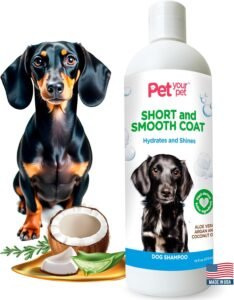
Best Shampoo for Smooth-Haired Dachshunds
Smooth-coated Dachshunds benefit from moisturizing formulas that clean without stripping away natural oils.
Look for ingredients like:
- Colloidal oatmeal
- Aloe vera
- Coconut-based cleansers
- Vitamin E
These help soothe sensitive skin while keeping the short coat soft and glossy.
Best Shampoo for Long-Haired Dachshunds
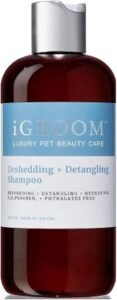
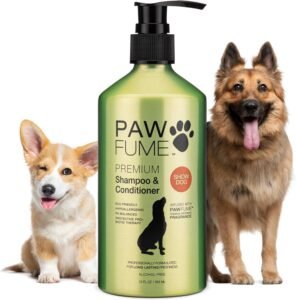
Long-haired Dachshunds need a shampoo that cleans thoroughly while keeping their silky coat smooth and manageable.
Look for formulas labeled for:
- Long-coated dogs
- Detangling
- Moisturizing
- Coat conditioning
Pairing a quality dog conditioner with shampoo can make a huge difference, especially around the ears, tail, chest, and feathering where tangles are most common.
Avoid heavy products that leave the coat greasy or weighed down.
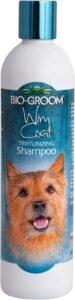
Best Shampoo for Wire – Haired Dachshunds
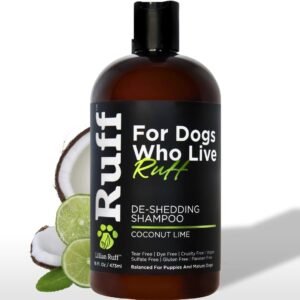
Wire-haired Dachshunds have a completely different coat structure. Their coarse outer coat protects them from dirt and weather, while the dense undercoat provides insulation. Using an overly moisturizing shampoo can soften the coat too much, making it lose its signature texture.
Instead, choose a shampoo designed specifically for:
- Wire-haired breeds
- Harsh coats
- Terriers
- Hand-stripped coats
These formulas clean effectively without altering the coat’s natural feel.
What if Your Dachshund Has Sensitive Skin?
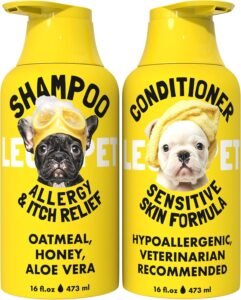
If your Doxie struggles with allergies, frequent itching, dandruff, or dry skin, don’t simply keep trying different shampoos. Instead, choose a gentle veterinary-recommended shampoo formulated with ingredients such as:
- Colloidal oatmeal
- Ceramides
- Aloe vera
- Pramoxine (for itch relief)
- Chlorhexidine (only if recommended by your veterinarian)
- Phytosphingosine
If skin problems persist despite using appropriate grooming products, it’s worth scheduling a veterinary exam. Ongoing skin irritation is often caused by environmental allergies, food sensitivities, parasites, or underlying skin disease—not poor bathing habits.
How to Bathe a Dachshund: Step-by-Step
Once everything is prepared, the bath itself is surprisingly straightforward. The goal isn’t just to get your Dachshund clean – it’s to keep them calm, comfortable, and safe throughout the process.
Step 1: Gather Everything Before You Start
Few things are more stressful than realizing you’ve forgotten the shampoo while your soaking-wet Dachshund is trying to climb out of the tub.
Before turning on the water, have everything within reach:
- Dog shampoo
- Conditioner (if using)
- Microfiber towels
- Non-slip bath mat
- Handheld showerhead or cup
- Brush or comb
- Ear cleaner (if needed)
- Cotton balls (optional)
- Lick mat or xylitol-free peanut butter
- Treats for rewards
Preparation makes bath time smoother for both you and your dog.
Step 2: Protect the Ears
Dachshunds’ adorable floppy ears also create a warm, enclosed environment where moisture can linger. Water trapped inside the ear canal increases the risk of ear infections.
You don’t need to stuff the ears with cotton, but if your dog is especially sensitive, you can gently place a loose cotton ball at the entrance of each ear. Never push anything deep into the ear canal. More importantly, avoid spraying water directly into the ears throughout the bath.
Step 3: Use Lukewarm Water
- Water temperature matters more than many owners realize.
- Aim for 95–99°F (35–37°C).
- The water should feel comfortably warm – not hot.
- Water that’s too hot can dry out or irritate the skin, while cold water often makes dogs anxious and tense.
- A simple test: if the water feels comfortable on the inside of your wrist, it’s probably about right.
Step 4: Wet the Coat Thoroughly
Start at the neck and work your way toward the tail. Avoid spraying directly at:
- Eyes
- Nose
- Ears
- Face
Instead, use your hand or a damp washcloth to gently clean around your dog’s face. For long-haired Dachshunds, take your time. It often takes longer than expected for water to fully penetrate the dense feathering.
Step 5: Shampoo the Coat
Dispense a small amount of shampoo into your hands before applying it to the coat. Massage gently using your fingertips—not your fingernails. Focus on areas that collect the most dirt:
- Belly
- Legs
- Paws
- Under the tail
- Chest
Work the shampoo down to the skin without scrubbing aggressively. Many owners use far more shampoo than necessary. A little usually goes a long way.
Step 6: Rinse… Then Rinse Again
If there’s one step people rush, it’s rinsing. Shampoo residue is one of the leading causes of post-bath itching. Continue rinsing until:
- No bubbles remain
- The water runs completely clear
- The coat feels clean rather than slippery
For long-haired Dachshunds, lift sections of fur while rinsing to ensure shampoo isn’t trapped close to the skin. A thorough rinse often takes longer than washing.
Step 7: Apply Conditioner (Optional)
If you’re using conditioner, apply it after shampooing. This is especially beneficial for:
- Long-haired Dachshunds
- Dry coats
- Dogs prone to tangles
Follow the manufacturer’s directions carefully, allowing the conditioner to sit briefly before rinsing thoroughly. Skip conditioner if your wire-haired Dachshund is hand-stripped unless your groomer specifically recommends one.
Drying Your Dachshund Properly
Bath time isn’t over once the water stops running. Drying your Dachshund correctly helps prevent tangles, chills, ear issues, and skin irritation.
Start with a Microfiber Towel
Microfiber towels absorb significantly more water than regular bath towels. Instead of rubbing vigorously, gently squeeze and blot the coat. This reduces:
- Frizz
- Tangles
- Hair breakage
- Coat damage
Long-haired Dachshunds especially benefit from this gentler approach.
Should You Use a Hair Dryer?
Usually, yes – but carefully. Use only:
- Low heat
- Low or medium airflow
Keep the dryer moving continuously and hold it several inches away from the skin. Never use the hottest setting. Dogs can overheat surprisingly quickly, and burns from hair dryers happen more often than many people realize.
Brush While Drying
For long-haired Dachshunds, brushing during drying is one of the best ways to prevent mats. Brush in the direction of hair growth. Pay extra attention to:
- Behind the ears
- Under the front legs
- Tail feathering
- Belly
- “Pants” on the back legs
These are the areas where knots typically develop first.
Check the Ears
Once your Dachshund is dry, inspect both ears.
They should feel:
- Clean
- Dry
- Odor-free
If your dog begins shaking their head repeatedly or scratching at one ear after bathing, moisture may have become trapped inside.
Persistent head shaking, redness, discharge, or a foul smell warrants a visit to your veterinarian.
Coat Care by Dachshund Variety
Smooth-Haired Dachshunds
The easiest coat to maintain. Weekly brushing with a grooming mitt or soft bristle brush removes loose hair and distributes natural oils beautifully.
Long-Haired Dachshunds
Brush at least three times a week – and daily if your dog spends lots of time outdoors. Pay special attention after rainy walks. Small tangles become painful mats surprisingly quickly.
Wire-Haired Dachshunds
Brushing alone isn’t enough. Most wire-haired Dachshunds also benefit from regular hand stripping to maintain the proper coat texture and reduce shedding. If you’re unsure how to hand-strip correctly, consult a professional groomer familiar with wire-coated breeds.
Pro Grooming Tips
Professional groomers use several simple tricks that can make bath time easier:
✔ Brush before bathing. Water tightens existing tangles, making them much harder to remove later.
✔ Trim nails before bath time if possible. Long nails reduce traction on slippery surfaces.
✔ Reward generously. Bath time should always end with praise, treats, or a favorite game.
✔ Stay calm. Dogs pick up on our emotions. If you’re relaxed, your Dachshund is much more likely to stay relaxed too.
✔ Don’t overdo fragrances. A healthy Dachshund shouldn’t smell strongly perfumed after a bath. Mild, clean, and natural is the goal.
FAQ: Dachshund Bathing Questions Answered
Bathing a Dachshund is simple once you understand their unique needs – but many owners still have questions.
From “Can I bathe my Dachshund every week?” to “Why does my Doxie smell again two days after a bath?”, here are the answers to the most common questions Dachshund parents search for.
How often should you bathe a Dachshund?
Most healthy adult Dachshunds only need a full bath every 4–12 weeks, depending on their coat type, lifestyle, and skin condition.
- Smooth-haired Dachshunds usually need the fewest baths, often around every 8–12 weeks.
- Long-haired Dachshunds may benefit from baths every 4–6 weeks because their feathered coat collects more dirt and debris.
- Wire-haired Dachshunds typically need bathing every 4–8 weeks, but over-bathing should be avoided, especially for dogs with hand-stripped coats.
The best rule is simple: bathe your Dachshund when they are dirty—not just because the calendar says it’s time.
Can I bathe my Dachshund once a week?
Usually, no.
Weekly baths are unnecessary for most Dachshunds and may actually cause problems by removing the natural oils that protect their skin and coat.
Frequent bathing can contribute to:
- Dry skin
- Itching
- Flaking
- Coat dullness
- Increased sensitivity
However, some Dachshunds with specific medical skin conditions may require more frequent bathing with a veterinary-prescribed shampoo.
Always follow your veterinarian’s recommendations if your dog has allergies, infections, or chronic skin issues.
Why does my Dachshund smell bad even after a bath?
If your Dachshund smells shortly after bathing, the problem may not be that they need another bath.
Common causes include:
- Wet coat smell: Some dogs naturally have a stronger “wet dog” odor while their coat is drying. This usually disappears once they are completely dry.
- Incomplete rinsing: Leftover shampoo residue can trap dirt and bacteria, causing unpleasant smells.
- Ear problems: Floppy ears make Dachshunds prone to moisture buildup. A bad smell coming from the ears may indicate an ear infection.
- Skin issues: Yeast overgrowth, allergies, or bacterial skin infections can create a noticeable odor.
If the smell returns quickly despite proper bathing, it’s worth checking with your veterinarian rather than simply bathing more often.
Can I use baby shampoo on my Dachshund?
No, baby shampoo is not recommended for dogs. Although it is marketed as gentle for human babies, it is still designed for human skin – not canine skin. Dogs have a different skin pH and protective barrier. Human shampoos, including baby formulas, can disrupt this balance and contribute to dryness or irritation. Choose a shampoo specifically formulated for dogs instead.
How do I make bath time easier for a Dachshund who hates water?
Many Dachshunds dislike baths because they feel uncertain or unsafe—not because they are naturally “bad at bathing.”
Try these strategies:
- Introduce the bathtub slowly without water first
- Reward calm behavior with treats
- Use a lick mat with xylitol-free peanut butter
- Place a non-slip mat in the tub
- Keep the room warm
- Avoid rushing
- Speak calmly throughout the process
Never force your Dachshund into a stressful battle. Building positive associations makes future baths much easier.
How do I bathe a Dachshund without hurting their back?
The biggest safety concerns are slipping, twisting, and jumping—not the bath itself.
To protect your Dachshund’s spine:
- Use a non-slip surface
- Lift your dog into and out of the tub
- Support both the chest and rear end when carrying them
- Avoid letting them twist suddenly
- Keep them standing comfortably instead of balancing awkwardly
These small adjustments reduce unnecessary strain and help protect dogs prone to back problems like IVDD.
Can Dachshunds go outside after a bath?
Yes, but wait until your Dachshund is completely dry. Going outside with a wet coat can make your dog uncomfortable, especially in colder weather. A damp coat can also collect dirt quickly, undoing all your hard work.
After bathing:
- Towel dry thoroughly
- Use a dryer if your dog tolerates it
- Brush the coat
- Check that the ears are dry
Then your freshly cleaned Doxie is ready for their next adventure.
Why does my Dachshund shake after a bath?
Shaking after a bath is completely normal. Dogs shake to remove excess water from their coat and regulate how they feel after an unusual experience. Your Dachshund may also shake because:
- They feel cold
- They are excited
- They are relieved bath time is over
- They are stressed
Make sure the room is warm and reward calm behavior after bathing. If shaking continues for a long time or comes with signs of pain, discomfort, or weakness, contact your veterinarian.
Do Dachshunds need conditioner?
Not always, but some Dachshunds benefit from it. Conditioner can be helpful for:
- Long-haired Dachshunds with tangles
- Dry coats
- Dogs prone to mats
Smooth-coated Dachshunds usually don’t need conditioner.
Wire-haired Dachshunds require more caution because heavy conditioning products can soften the harsh coat texture that makes their fur unique.
How do I keep my Dachshund smelling fresh between baths?
You don’t need frequent baths to keep your Doxie fresh.
Between baths:
✔ Brush regularly
✔ Wipe muddy paws after walks
✔ Clean bedding frequently
✔ Check ears weekly
✔ Wash collars and harnesses
✔ Use dog-safe grooming wipes when needed
Regular brushing is one of the easiest ways to keep your Dachshund clean because it removes dirt, loose hair, and distributes natural oils.
Final Summary: A Clean Dachshund Is a Safe Dachshund
Bathing your Dachshund doesn’t need to become a stressful wrestling match.
The secret is understanding that a Doxie’s needs are different from many other breeds. Their long backs, short legs, floppy ears, and unique coat types mean grooming should always be approached with a little extra care.
The key habits are simple:
✅ Bathe only when needed
✅ Use a dog-specific shampoo
✅ Protect your Dachshund’s back around slippery surfaces
✅ Dry thoroughly after every bath
✅ Choose grooming routines based on coat type
✅ Keep bath time calm and positive
A clean Dachshund isn’t just about looking adorable (although let’s be honest – they are impossible not to photograph after a fresh bath). Proper grooming supports healthier skin, a shinier coat, and a happier, more comfortable companion.
0 Comments