Choosing the best dachshund for your home is an incredibly exciting milestone. Known affectionately as “wiener dogs” or “doxies,” these small dogs pack massive personalities into their iconic, elongated bodies. However, with multiple sizes, three distinct coat types, and a wide array of official patterns, finding the perfect match for your lifestyle takes a bit of research.
This comprehensive guide will walk you through everything you need to know about dachshund types, temperament variations, and how to find a healthy puppy from a responsible breeder.
Understanding the three main dachshund coat types
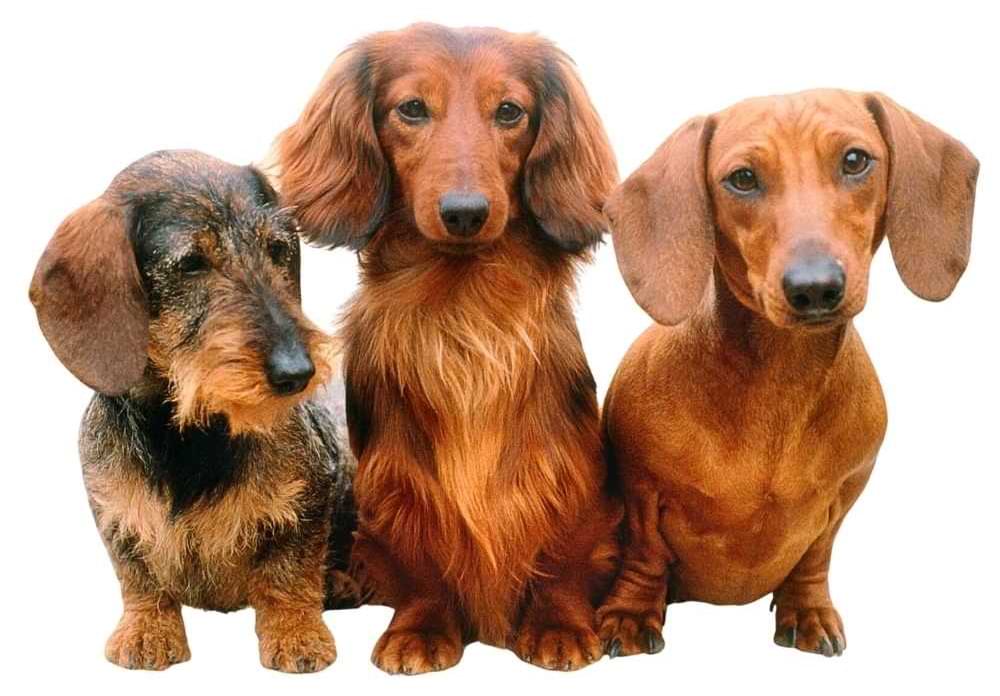
While all dachshunds share the same iconic silhouette, the breed is officially split into three distinct coat varieties according to kennel club standards. Interestingly, these coat types often carry distinct personality traits due to the different breeds used to develop them historically.
Smooth-haired dachshunds
The smooth-haired dachshund is the classic, original look for the breed. They sport a short, shiny, and sleek coat that requires minimal grooming.
- Grooming needs: Very low. A quick weekly wipe-down with a grooming mitt is usually enough to keep them looking sleek.
- Temperament: Smoothies tend to be intensely loyal, highly affectionate, and can sometimes be a bit aloof or protective around strangers.
Long-haired dachshunds
Long-haired dachshunds possess elegant, flowing coats with distinct feathering on their ears, chests, and tails.
- Grooming needs: Moderate to high. They require daily brushing to prevent mats and tangles, along with regular trims and baths.
- Temperament: Generally considered the softest and sweetest of the three types. Because spaniel genetics were originally bred into the line to achieve the long coat, they tend to be calmer, highly affectionate, and excellent family pets.
Wire-haired dachshunds
Wire-haired dachshunds have a thick, rough outer coat with a softer undercoat, complete with a hilarious, distinctive beard and bushy eyebrows.
- Grooming needs: Moderate. They require regular brushing and need to be “hand-stripped” or clipped a few times a year to maintain their coat texture.
- Temperament: Often described as the comedians of the dachshund world. They have terrier ancestry, making them incredibly spunky, mischievous, high-energy, and courageous.
Standard vs. miniature dachshunds: Size matters
Beyond their coats, dachshunds are categorized by size. Your living situation and activity level will heavily dictate which size fits best.
| Size category | Weight guidelines | Ideal living environment |
| Miniature dachshund | Under 11 lbs (5 kg) at 12 months old | Perfect for apartment living and smaller spaces. |
| Standard dachshund | Between 16 and 32 lbs (7 – 14 kg) | Great for active households, suburban homes, or farms. |
Note on “tweenies”: You may hear the term “tweenie” used by rescues or owners. This is not an official breed classification, but rather a colloquial term for a dachshund that falls between 11 and 16 lbs.
Identifying your ideal dachshund characteristics
To find the perfect match, consider how a dachshund’s natural traits align with your everyday routine:
- Your living space: Miniature dachshunds adapt beautifully to apartments, provided they get enough mental stimulation. Standards are sturdier and often prefer a backyard to explore.
- Time for grooming: If you want a wash-and-go dog, stick to a smooth coat. If you enjoy grooming sessions as a bonding ritual, a long-haired or wire-haired doxie is a great fit.
- Activity and energy levels: Dachshunds are hunting dogs by nature – originally bred to hunt badgers! They require daily mental and physical exercise, but a wire-haired standard will generally need much more activity than a senior miniature smooth-hair.
How to choose a reputable dachshund breeder
The rise of AI-generated puppy scams and unethical puppy mills makes finding a reputable breeder more critical than ever. A responsible breeder prioritizes the health and temperament of the dogs over profit.
When vetting breeders, look for the following green flags:
Transparency: They ask you plenty of questions to ensure you can provide a good home, and they are willing to take the dog back at any point in its life if you can no longer care for it.
Health screening: They must provide official documentation of health screenings for the parent dogs, specifically DNA testing for Progressive Retinal Atrophy (PRA) and ideally screening for Intervertebral Disc Disease (IVDD).
Environment: They welcome you to visit their home or kennel (either in person or via live video call) so you can see the clean conditions and meet the mother dog.
Preparing your home for a dachshund
Before bringing your puppy home, you need to “dachshund-proof” your living space. Because of their long spines, protecting their backs is the number one priority.
- Invest in ramps: Invest in pet ramps for couches and beds. Repetitive jumping off high furniture is a leading trigger for spinal injuries in this breed.
- Block off stairs: Use baby gates to block access to steep staircases.
- Secure small spaces: Dachshunds are natural burrowers and hunters. Ensure trash cans are secure and block any tiny gaps behind appliances where a curious puppy could get stuck.

Frequently asked questions
How much exercise does a dachshund need?
Adult dachshunds generally need between 30 to 60 minutes of exercise daily, split into walks and sniffing sessions. Mental stimulation – like puzzle toys and scent games – is just as important as physical walks to keep their sharp minds busy.
Are dachshunds suitable for people with allergies?
No, dachshunds are not hypoallergenic. They shed dander and hair, though smooth and wire-haired varieties tend to be lower-shedding than long-haired ones. If you have severe allergies, it is best to spend time around the breed before committing.
What are the main health issues in dachshunds?
The most significant health concern is Intervertebral Disc Disease (IVDD), a genetic spinal condition affecting roughly 1 in 4 dachshunds. Other conditions to watch for include obesity (which worsens IVDD risks), progressive retinal atrophy (PRA), and dental disease due to their crowded jaws.
How much does a dachshund puppy typically cost?
From a reputable, ethical breeder, a purebred dachshund puppy typically costs between $1,500 and $3,500+, depending on the lineage, coat type, and color rarity. Always remember to budget for ongoing costs, especially pet insurance, which is highly recommended for this breed.
Are dachshunds good with children?
Dachshunds can be wonderful family pets, but they are best suited for homes with older children who understand how to handle them. Because of their fragile backs, rough housing or improper lifting by small children can accidentally injure a dachshund. Early socialization and supervising all interactions are key.
Conclusion
Choosing a dachshund means welcoming a loyal, fiercely protective, and deeply entertaining companion into your life. By selecting the right size and coat type for your daily routine, opting for a health-tested pup from an ethical breeder, and safeguarding your home for their unique structural needs, you will set yourself up for years of unconditional love and laughter with your new best friend.


0 Comments