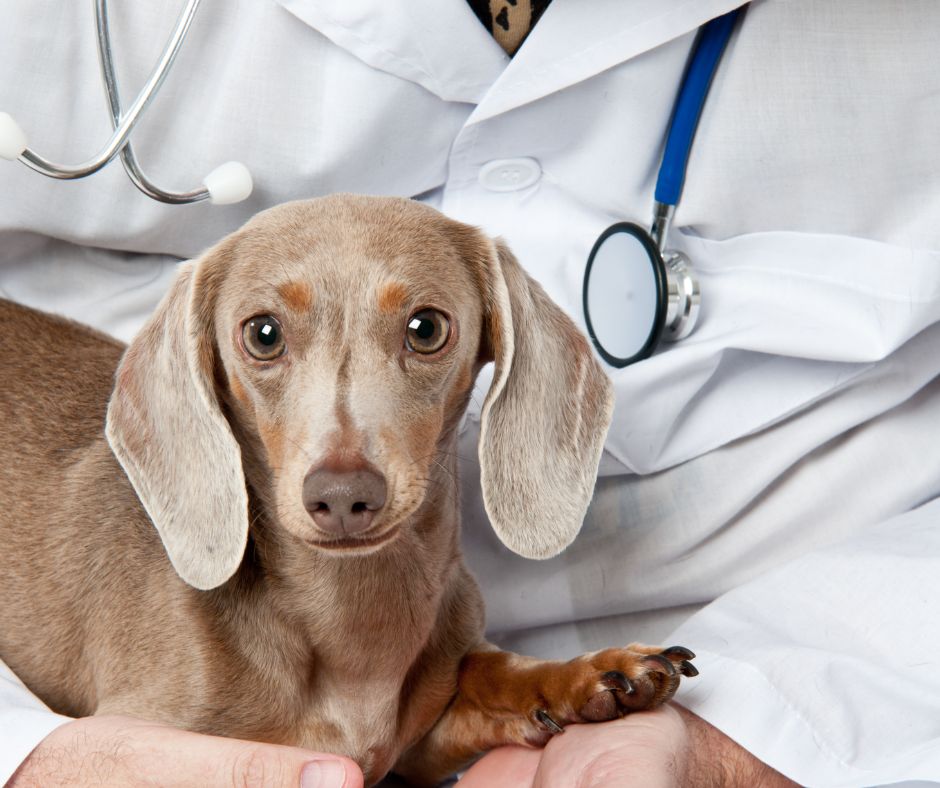
Because of their unique body structure and genetics, dachshunds are prone to a specific set of health conditions. The most common dachshund diseases include spinal disc disease (IVDD), dental problems, diabetes, hypothyroidism, eye conditions (such as PRA), and heart disease. Recognizing the early signs — and staying on top of prevention — can literally save your dog’s life or spare them years of pain.
In this guide, I’ve pulled together everything you need to know about dachshund health: from the most serious threat (spinal disc disease) to eye problems, skin issues, dental disease, hormonal conditions, and cancer. Whether you’re a brand-new dachshund owner or you’ve had one for years, this is worth reading.
Important: This article is for informational and educational purposes only. It is not a substitute for veterinary advice. If your dachshund is showing concerning symptoms, always consult your vet.
Why dachshunds get sick differently than other breeds
Dachshunds are a chondrodystrophic breed – which means their cartilage and bone development follows a pattern that gives them their signature long body and short legs. The same genetic mutation that makes them so irresistibly adorable is also the root cause of their most serious health problems.
Long spine + short legs = higher risk of injury and disc disease.
Add in the breed-specific genetic predispositions (like the tendency toward eye disease or epilepsy in miniature wirehaired dachshunds), plus lifestyle-related problems – mainly obesity – and you have a breed that needs attentive, informed ownership.
The good news: most dachshund health problems can either be prevented or effectively managed, as long as you catch them early.
Intervertebral Disc Disease (IVDD) – the biggest threat
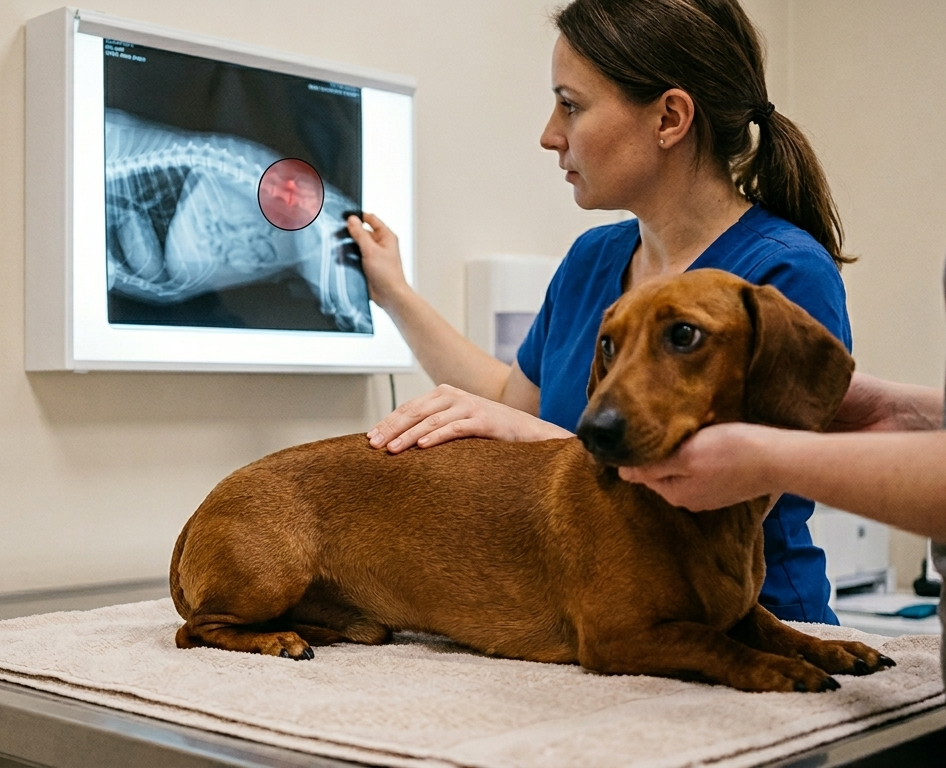
IVDD is the most serious health risk dachshunds face. Estimates suggest it affects up to 1 in 4 dogs of this breed. It’s a direct consequence of their body shape: that long spine paired with short legs is charming, but it puts enormous stress on the intervertebral discs. Symptoms can appear suddenly — from back pain and stumbling to full paralysis of the hind legs. This topic deserves its own deep dive – read our full guide to IVDD in dachshunds.
Eye conditions
Dachshunds are predisposed to several eye diseases. Early diagnosis and treatment can spare your dog serious pain — or blindness.
Progressive Retinal Atrophy (PRA)
PRA is a hereditary eye disease that causes gradual vision loss, eventually leading to complete blindness. Miniature wirehaired dachshunds are particularly susceptible.
The disease is inherited and incurable. Early signs include poor vision in low light (night blindness); over time, the dog loses their sight entirely.
What you can do: Before buying a puppy, always ask the breeder for genetic test results for PRA in both parents. Dogs carrying the mutation should not be bred.
Cataracts
Clouding of the eye lens. Can be hereditary or acquired (for example, as a complication of diabetes). It shows up as a visible white or gray cloudiness in the eye. Treatment is surgical removal.
Glaucoma
Elevated pressure inside the eye that damages the optic nerve. Signs include eye pain, redness, excessive tearing, and a visibly enlarged eyeball. Requires prompt veterinary treatment.
Dry Eye (Keratoconjunctivitis Sicca)
Insufficient tear production leads to chronic inflammation. Symptoms: sticky discharge from the eye, redness, the dog rubbing their eye with a paw. Treatment: artificial tear drops, immunosuppressive medications.
Dental and oral health problems
Periodontal disease is one of the most common health issues in small dog breeds – and dachshunds are no exception. Studies estimate that over 80% of dogs over three years old have some degree of periodontal disease.
Tartar buildup and gum disease
Accumulated tartar causes gum inflammation, which – if left untreated – progresses to periodontitis, loose teeth, and tooth loss. Bacteria from the mouth can also enter the bloodstream and damage the kidneys, heart, and liver.
Signs: bad breath, red or bleeding gums, pain when eating, reluctance to chew.
Prevention:
- Daily tooth brushing (yes, it’s possible – and it genuinely works)
- Dental chews
- A mixed diet including dry kibble
- Regular professional dental cleanings at your vet (under anesthesia)
Skin conditions and allergies
Food and environmental allergies
Dachshunds – especially wirehaired ones – are prone to allergies. The main signs: itchy skin, recurring ear infections, red and licked paws, and digestive upset.
Diagnosing a food allergy requires an elimination diet (feeding a novel protein source for at least 8–12 weeks). Environmental allergies are diagnosed with skin or blood tests.
Seborrhea and dandruff
Smooth-coated dachshunds can be prone to seborrhea – oily, flaky skin with a distinctive smell. Treatment involves medicated shampoos and sometimes dermatological care.
Acanthosis Nigricans (Dachshund Acne)
A skin condition particularly associated with dachshunds: darkening and thickening of the skin in the armpits and groin area. It can be primary (genetic, incurable – only symptom management) or secondary (triggered by allergy or infection — treatable).
Skin Tumors
Dachshunds tend to develop various skin growths: lipomas, cysts, papillomas. Most are benign, but any new lump should be checked by a vet – especially if it’s growing quickly, changing shape, or bleeding.

Obesity and its consequences
Obesity is an epidemic among dachshunds. These dogs are simply food-driven, they love to eat, and they’re experts at begging – while their owners, out of love, often give in.
Why is obesity so dangerous for a dachshund specifically?
Every extra pound puts enormous strain on the spine. An overweight dachshund is a dachshund with dramatically increased risk of IVDD. On top of that:
- Extra stress on joints and increased risk of arthritis
- Diabetes
- Heart and cardiovascular disease
- Shorter lifespan – obese dogs live an average of 1.5–2 years less
How to check if your dachshund’s weight is healthy: You should be able to feel their ribs with gentle pressure but not see them. From above, the dog should have a visible waist. From the side, the belly should tuck up slightly.
If you’re unsure – ask your vet. Many clinics offer free body condition assessments.
Heart disease
Mitral Valve Disease (MVD)
Mitral valve degeneration is the most common heart disease in dogs – and dachshunds are susceptible. The valve between the left atrium and left ventricle becomes leaky, leading to progressive heart failure.
The disease develops over years. The first sign is often a heart murmur detected during a routine vet exam. Over time, symptoms appear: coughing (especially at night or after exercise), labored breathing, exercise intolerance, fainting.
Regular cardiac checkups including auscultation and, where needed, ECG or echocardiography – are important for dachshunds from around 5–6 years of age.
Hormonal disorders
Hypothyroidism
Insufficient production of thyroid hormones. Symptoms are non-specific and easy to miss: weight gain despite normal food intake, lethargy, hair loss, cold intolerance, tendency toward recurring skin infections. Diagnosed with a blood test. Treatment: thyroid hormone tablets for the rest of the dog’s life – affordable and effective.
Hyperadrenocorticism (Cushing’s Disease)
Overproduction of cortisol by the adrenal glands. Signs: a pot-bellied appearance, hair loss (especially along the sides of the body), increased thirst and urination, increased appetite, muscle weakness. Mainly affects middle-aged and older dogs. Diagnosis requires specialized hormonal testing. Effective medical treatment is available.
Diabetes
Insulin deficiency or insulin resistance. Signs: increased thirst and urination, increased appetite combined with weight loss, weakness. Diabetes in dogs requires insulin therapy and a strict diet. Left uncontrolled, it leads to cataracts and serious organ damage.
Cancer
Like all dogs, dachshunds can develop cancer. Some types are relatively more common in this breed:
- Mast cell tumors – can look like an innocent lump on the skin. It’s essential to have any new skin growth evaluated by a vet, and a biopsy done if there’s any doubt.
- Mammary gland cancer – affects unspayed females, or females spayed late. This is one of the reasons early spaying is recommended – before the first heat or after the first one significantly reduces the risk.
- Splenic tumors – especially in older dachshunds; can include aggressive hemangiosarcoma. First signs may be sudden weakness, pale gums, and abdominal swelling.
The basic rule: regularly check your dachshund’s skin during grooming. Any new lump, fast-growing lesion, or irregularly shaped growth needs a vet visit.

Epilepsy
Idiopathic epilepsy (with no identifiable underlying cause) is relatively common in miniature wirehaired dachshunds. First seizures typically appear between 1 and 5 years of age.
What does a seizure look like in a dog?
The dog may fall over, convulse, drool, and lose control of their bladder or bowels. A seizure usually lasts 1–3 minutes. Before a seizure, the dog may seem anxious or disoriented. Afterward, they may be dazed and confused for minutes to hours.
What to do during a seizure:
- Don’t put your hands in the dog’s mouth
- Keep them safe from hitting furniture
- Time the seizure
- If it lasts more than 5 minutes – go to the emergency vet immediately (status epilepticus is a life-threatening emergency)
- Call your vet after the seizure
Epilepsy is manageable with medication. Most dogs on a well-adjusted anti-seizure treatment live normal lives.
When to go to the vet immediately
Some symptoms require action within minutes or hours – don’t wait until morning, don’t search forums for answers.
🚨 Go to the emergency vet immediately if your dachshund:
- Cannot move their hind legs or is dragging them
- Has severe back pain (whimpering, won’t move, refuses to use stairs)
- Has a seizure lasting more than 5 minutes, or multiple seizures in one day
- Has suddenly pale gums or mucous membranes and is weak
- Is struggling to breathe
- Loses consciousness or is extremely lethargic
- Has violent vomiting or a distended abdomen
Prevention: how to keep your dachshund healthy
The best thing you can do for your dachshund is invest in prevention. It sounds obvious – but it genuinely works.
Regular vet visits
Puppies and adults up to 7 years: once a year for a checkup, vaccinations, and deworming. Dachshunds over 7: twice a year – older dogs develop conditions more quickly, and catching things early makes a real difference.
Weight control
The one thing you can manage every single day. Measure portions, limit treats, ask your vet what your dog’s ideal weight should be.
The right amount of exercise
Dachshunds need exercise – but smart exercise. Regular, moderate activity (daily walks) is great.
Avoid:
- Jumping on and off sofas and beds – use ramps or steps instead
- Steep stairs (especially for puppies and senior dogs)
- Intense play with sudden direction changes and jumps
Dental hygiene
Daily brushing might sound like overkill, but dachshund teeth are a genuine weak point. Start early so your dog gets used to the routine.
Parasite prevention
Regular deworming (every 3–6 months for adult dogs), flea and tick protection year-round (not just in summer). Ticks carry Lyme disease and other serious infections.
Spaying / Neutering
Spaying females significantly reduces the risk of mammary cancer and completely eliminates the risk of pyometra (a life-threatening uterine infection). Neutering males reduces the risk of prostate problems and testicular cancer.
Summary
A dachshund that’s well cared for can live 15 years or more. How long and how well your dog lives depends largely on you: what and how much they eat, how they move, how often they see a vet, and how quickly you act when something seems off.
The most important dachshund health issues to know:
- IVDD (spinal disc disease) – the number one threat; partially preventable
- Eye diseases – some are genetic; ask about the breeding line
- Obesity – 100% in your hands, and one of the biggest risk factors
- Heart disease and hormonal disorders – need regular monitoring
- Dental disease – prevention works, you just have to do it
- Other Dachshund health issues
If you have questions about your dachshund’s health, explore the Dachshunds Planet Health Hub, where we go much deeper on each of these topics.
This article is for educational and informational purposes only. It is not a substitute for veterinary advice. If your dog is showing health concerns, always consult a licensed veterinarian.
FAQ — Common questions about dachshund health
What health problems do dachshunds most commonly have?
The most common dachshund health problems are intervertebral disc disease (IVDD), eye conditions (including progressive retinal atrophy), dental and periodontal disease, skin allergies, and obesity. Dachshunds are also prone to hormonal disorders such as hypothyroidism and Cushing’s disease.
Will every dachshund have back problems?
Not every dachshund will — but the risk is real. Studies suggest spinal problems affect up to 25% of dachshunds. Good prevention (weight control, ramps instead of jumping, harness instead of collar) significantly lowers that risk.
How long do healthy dachshunds live?
Dachshunds are a long-lived breed – with good care, the average lifespan is 12–16 years. Obesity and untreated conditions can cut that by several years.
Do miniature dachshunds have different health problems than standard dachshunds?
Miniature wirehaired dachshunds are more prone to idiopathic epilepsy and progressive retinal atrophy (PRA). When it comes to spinal disease risk, both size varieties are similarly affected.
How can I tell if my dachshund has back pain?
Your dog avoids movement, refuses stairs, whimpers when their back is touched, holds a tense or hunched posture, or seems reluctant to jump. Any of these signs warrant a same-day vet visit.
Is pet insurance worth it for a dachshund?
Given the potential cost of treating IVDD (spinal surgery can run into thousands of dollars), health insurance for a dachshund is worth serious consideration – especially for younger dogs.
When should I spay my female dachshund?
Spaying before the first heat, or after the first heat, significantly reduces the risk of mammary cancer and fully eliminates the risk of pyometra. The right timing is best discussed individually with your vet.

0 Comments