
What is the best food for a Dachshund?
The best dog food for Dachshunds provides moderate calories, high-lean protein, and enriched Glucosamine and Chondroitin to protect their unique spine from Intervertebral Disc Disease (IVDD). Top choices include Royal Canin Dachshund Adult for breed-specific care, Hill’s Science Diet Small & Mini for weight management, and The Farmer’s Dog for fresh, pre-portioned nutrition.
At-a-glance top recommendations
| Product | Top Benefit | Key Ingredients & Specs |
| Royal Canin Dachshund Adult | Targeted Spine & Joint Support | EPA/DHA, Calcium, Phosphorus, tailored kibble shape |
| Hill’s Science Diet Small & Mini Light | Weight Loss / IVDD Prevention | Chicken Meal, Barley, L-Carnitine, High Fiber |
| Orijen Small Breed Grain-Free | High Protein & Core Muscle Mass | 85% Animal Ingredients (Turkey, Chicken, Salmon) |
| Wellness CORE Grain-Free Small Breed | Joint & Skin Inflammation Support | Deboned Turkey, Glucosamine, Chondroitin, Salmon Oil |
| Purina Pro Plan Small Breed Weight Management | Highly Accessible Weight Control | High-protein chicken, lower fat ratio, prebiotic fiber |
Key Nutritional Requirements for Dachshunds
- Spinal & Joint Support (IVDD Prevention): Dachshunds have a high genetic risk for Intervertebral Disc Disease (IVDD). Foods enriched with Glucosamine, Chondroitin, and Omega-3 fatty acids (EPA/DHA) reduce joint inflammation and support cartilage health.
- Strict Calorie Control: A single extra pound puts immense pressure on a Dachshund’s elongated spine. Moderate fat levels, high fiber, and L-carnitine keep body condition scores in a safe range.
- Specialized Kibble Design: Small jaws are prone to overcrowding and tartar buildup. Compact, custom-textured kibble helps scrape away plaque during chewing.
- High-Quality Lean Muscle Maintenance: Strong core muscles act as a natural brace for the spine. Formulas should prioritize named animal proteins over heavy carbohydrate fillers.
Deep-Dive Reviews: Top Dog Foods for Dachshunds
1. Royal Canin Dachshund Adult (Best Overall Breed-Specific)
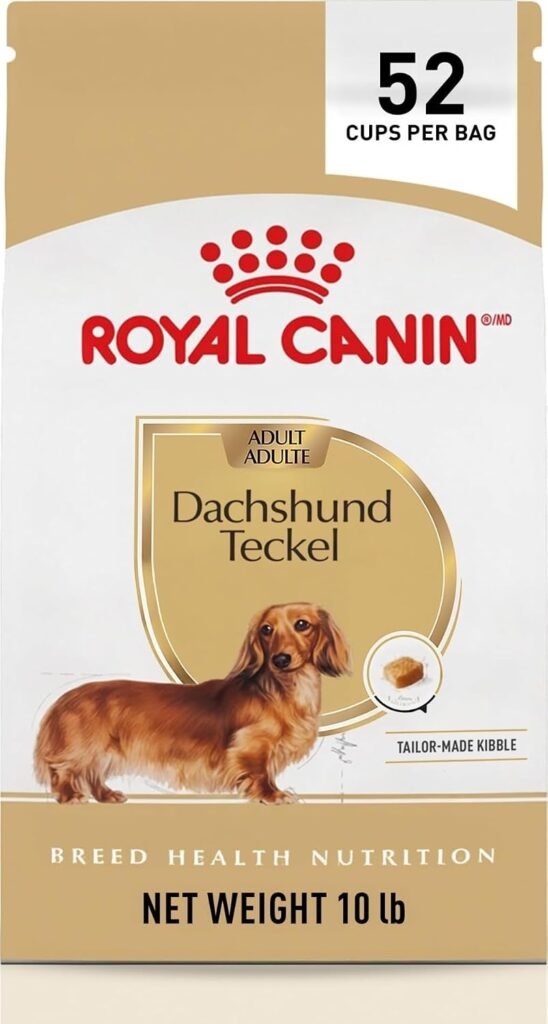
Designed specifically for the anatomy of adult Dachshunds, this formula balances targeted minerals to support bone and joint health while maintaining muscle mass.
- Key Specs: 28% Protein, 12% Fat, tailored kibble shape.
- Pros: Highly adapted kibble size for easy chewing; tailored calcium and phosphorus ratios for spinal care.
- Cons: Contains plant protein isolates and corn products.
- Verdict: The gold standard for owners seeking a scientifically targeted, breed-specific kibble.
2. The Farmer’s Dog (Best Fresh Food for Weight Control)
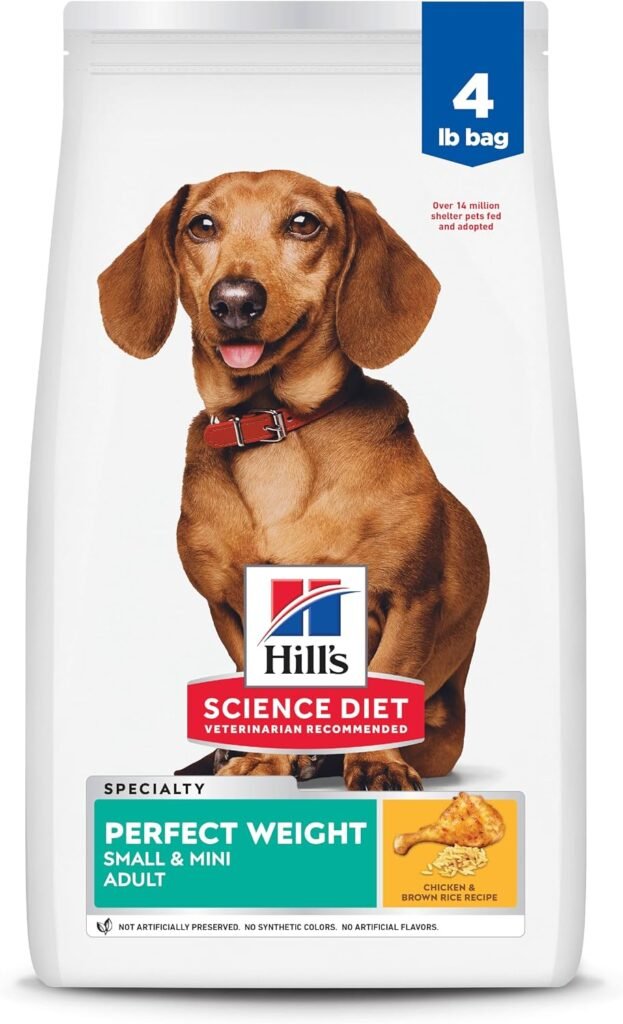
Formulated specifically for small dogs that need to shed pounds or maintain a lower calorie intake without feeling starved between meals.
- Key Specs: Low calorie (298 kcal/cup), elevated natural fiber, L-carnitine.
- Pros: Vet-recommended formulation; L-carnitine helps convert fat into lean energy.
- Cons: Contains grain by-products that some pet parents prefer to avoid.
- Verdict: The top choice for overweight Dachshunds undergoing strict weight management to lower IVDD risks.
3. Orijen Small Breed (Best High-Protein Kibble)
Packed with 85% premium animal ingredients, this formula gives working and high-energy Dachshunds the raw building blocks required for dense core muscle mass.
- Key Specs: 38% Protein, 18% Fat, grain-free.
- Pros: Top-tier protein sources (chicken, turkey, fish); freeze-dried liver coating appeals to picky eaters.
- Cons: Higher calorie density requires careful measuring for couch-potato Doxies.
- Verdict: Ideal for active, working-line, or younger adult Dachshunds requiring muscle retention.
4. Wellness CORE Grain-Free Small Breed (Best Joint & Skin Care)
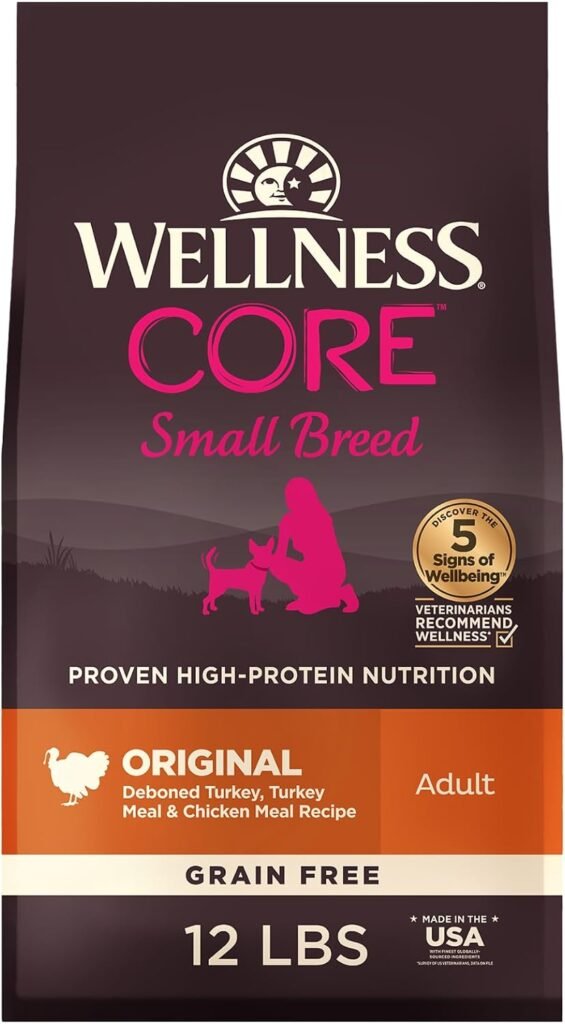
A protein-rich, grain-free kibble featuring elevated levels of natural glucosamine and chondroitin to buffer aging joints.
- Key Specs: 36% Protein, 16% Fat, high glucosamine/chondroitin.
- Pros: Exceptional levels of joint-protecting compounds; rich in omega fatty acids for skin and coat.
- Cons: Grain-free profile requires vet consultation for specific cardiac considerations.
- Verdict: Great for older Dachshunds showing early signs of stiffness or joint strain.
5. Purina Pro Plan Small Breed Weight Management
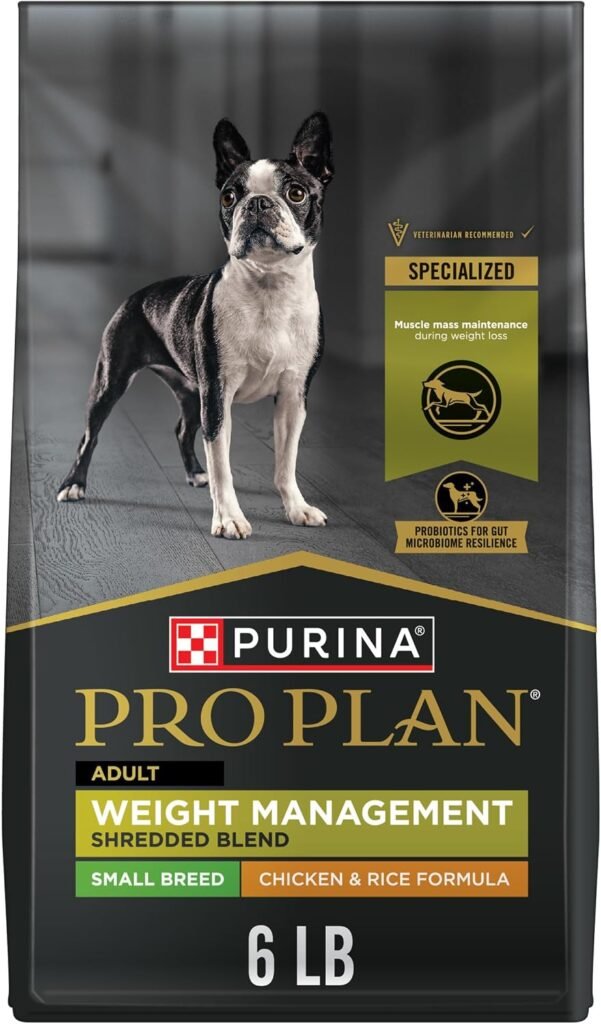
Purina Pro Plan Small Breed Weight Management (Best Budget-Friendly Weight Control)
Formulated specifically to help small dogs reach and maintain their ideal weight without sacrificing essential muscle mass.
- Key Specs: 27% Protein, 9% Fat, 15% lower fat ratio than standard formulas.
- Pros: Highly accessible on Amazon US; optimized calorie-to-protein ratio; includes live probiotics for immune and digestive support.
- Cons: Contains corn gluten meal and wheat germ, which some pet owners prefer to avoid.
- Verdict: The most accessible, science-backed option on Amazon for keeping Dachshunds lean to prevent back strain.
Feeding Guidelines Across Life Stages
- Puppies (0–12 Months): Need controlled growth rates with precise calcium-to-phosphorus ratios to prevent uneven skeletal development. Feed 3–4 meals daily.
- Adults (1–7 Years): Focus on core muscle preservation and calorie control. Feed 2 meals daily using a digital scale to track exact portions.
- Seniors (7+ Years): Transition to lower-calorie formulations enriched with extra anti-inflammatories to accommodate declining metabolic rates.
👉 For more information on nutrition & feeding, check our DACHSHUND NUTRITION GUIDE
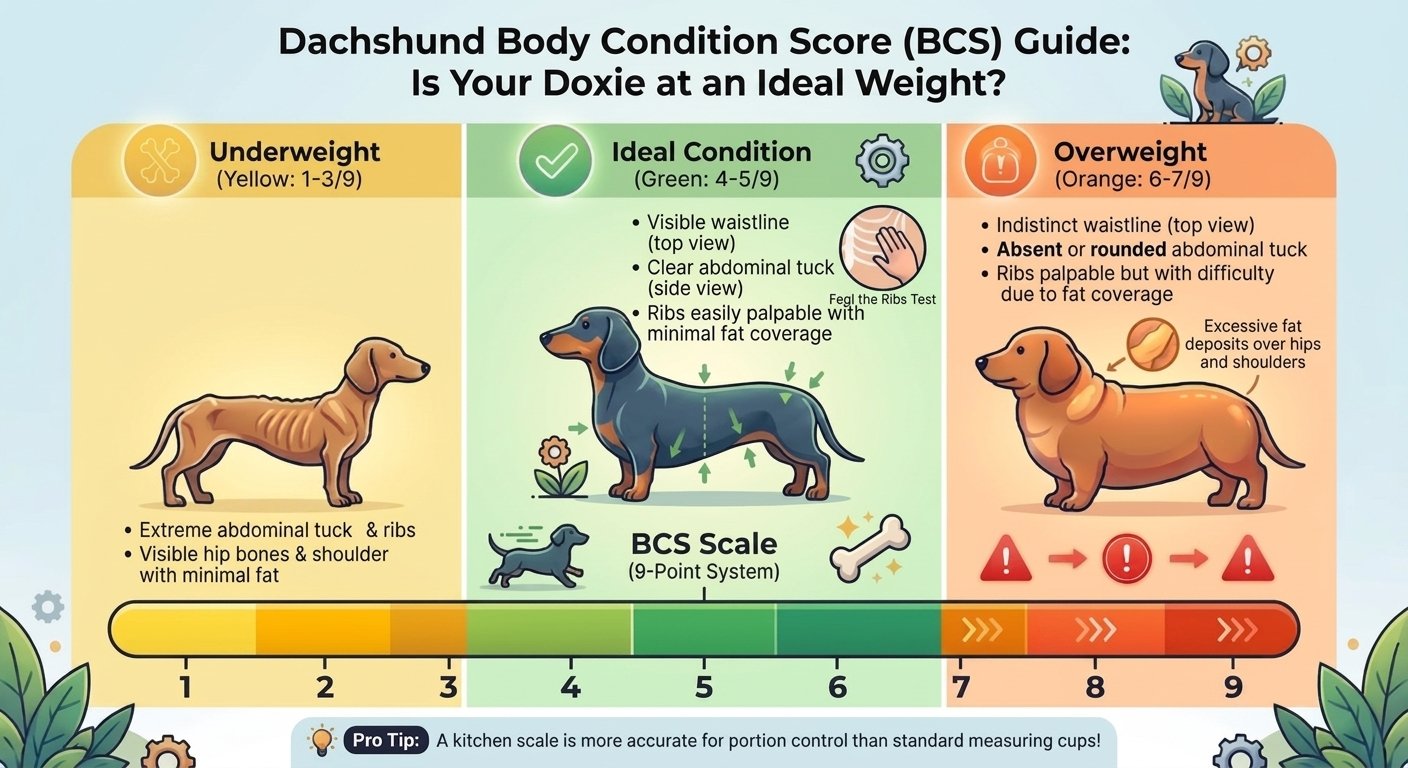
Dachshund Body Condition Score (BCS) Guide: Is Your Doxie at an Ideal Weight?
Maintaining an ideal body weight is the single most effective way to safeguard your Dachshund against Intervertebral Disc Disease (IVDD) and chronic joint pain. Because even a single extra pound places severe strain on their elongated spine, visual assessment is far more accurate than relying on a bathroom scale alone.
Body Condition Score (BCS) estimates body fat and overall body condition. An ideal Dachshund (BCS 4–5/9) should feature a distinct waistline visible from above, a clear abdominal tuck behind the ribcage from the side profile, and ribs that are easily felt under a light layer of fat. If your dog’s waistline disappears or their ribs become difficult to locate without pressing firmly, adjusting their daily caloric intake is critical to protecting their long-term mobility.
Here is the draft section formatted specifically for the article and AI/SEO readability:
How to Safely Transition Your Dachshund to a New Food
Switching your Dachshund’s diet too quickly can trigger severe gastrointestinal upset, vomiting, or diarrhea. Because small breeds have sensitive digestive tracts, always transition to a new kibble gradually over a 7 to 10-day period.
Mix the old food with the new food according to this daily schedule:
| Days | Old Food Ratio | New Food Ratio | Primary Focus |
| Days 1–3 | 75% | 25% | Monitor stool consistency and initial appetite. |
| Days 4–6 | 50% | 50% | Equal balance to let gut microflora adjust. |
| Days 7–9 | 25% | 75% | Final phase before full transition. |
| Day 10+ | 0% | 100% | Full transition complete. |
Pro Tip: If your Dachshund develops soft stools or diarrhea during the transition, hold at the current percentage for an extra 2–3 days until their stomach settles before increasing the new food ratio.
Do Dachshunds Need Joint Supplements with Commercial Dog Food?
While standard AAFCO-compliant commercial dog foods provide complete and balanced daily nutrition, Dachshunds face an extraordinarily high genetic risk for Intervertebral Disc Disease (IVDD).
Commercial kibble contains baseline nutrients, but the concentration of therapeutic joint-protecting compounds – such as Omega-3 fatty acids (EPA/DHA), Glucosamine, and Green-Lipped Mussel – is often too low in standard formulas to actively fight spinal disc inflammation or joint degradation.
Adding targeted joint supplements to a balanced diet provides concentrated anti-inflammatory benefits that support spinal disc cartilage and joint fluid elasticity.
- Fish Oil (EPA & DHA): Acts as a potent natural anti-inflammatory agent, reducing systemic joint stiffness and protecting delicate spinal structures.
- Green-Lipped Mussel: Rich in unique Omega-3s (ETA) and natural glycosaminoglycans, which buffer joints better than standalone chondroitin.
- Glucosamine & Chondroitin: Provides the essential molecular building blocks needed to repair cartilage and maintain spinal disc hydration.
Veterinary Caution: Always consult your veterinarian before adding supplements to your Dachshund’s routine. Over-supplementing certain nutrients (like calcium or fat-soluble vitamins) can disrupt the balanced mineral ratios in high-quality commercial dog food or add unexpected calories to their daily limit.
FAQ – Frequently Asked Questions
How many calories does a Dachshund need per day?
An average adult Miniature Dachshund needs roughly 200–290 calories per day, whereas a Standard Dachshund requires 600–800 calories, depending on daily exercise and spay/neuter status.
Is a grain-free diet necessary for Dachshunds?
No. Unless a diagnosed grain allergy exists, whole grains (like brown rice and oatmeal) provide digestible energy and crucial fiber that supports weight control.
How can I tell if my Dachshund is overweight?
You should be able to feel their ribs under a thin layer of fat without pressing hard, and observe an obvious waistline tuck behind the ribcage when viewed from directly above.

0 Comments