

Dachshunds are world-famous for their shape, but they are full of secrets. Do you know the truth about their hunting roots or the specific health traits that make them unique? We’ve rounded up 100 must-know facts about this iconic breed. Dive in to discover the history, health, and hilarious habits that make the Dachshund one of a kind.
1. Dachshund history: from German badger hunters to royalty
- Dachshunds were originally bred in Germany over 300 years ago to hunt badgers and other burrowing animals.
- The word “dachshund” means “badger dog” in German.
- Dachshunds were popularized in the United States by President Teddy Roosevelt, who owned one as a pet.
- They were one of the first dog breeds to be recognized by the AKC in 1885.
- Dachshunds were used as war dogs in World War I, and they were also used as messenger dogs and guard dogs.
- Dachshunds have a long history, with evidence of similar dogs dating back to ancient Egypt.
- They were a favourite breed of Queen Victoria and have been popular with royalty and celebrities, including Pablo Picasso and Marlon Brando.
- The breed originated in Germany in the 15th century.
- Dachshunds were originally bred to hunt badgers, which are fierce and tenacious animals.
- Dachshunds are one of the few dog breeds that have their own museum, the Dackelmuseum, located in Passau, Germany.
- The breed is considered to be a symbol of Germany and is often featured in German art and literature.
- The breed’s history dates back over 600 years, making it one of the oldest dog breeds in existence.
2. The hunting instinct: why Doxies are natural hounds
- They were also used to hunt rabbits, foxes, and even wild boars.
- Dachshunds have a keen sense of smell and have been used in search and rescue operations.
- Dachshunds are excellent at tracking and can follow a scent for miles.
- Dachshunds have a unique hunting style, using their strong sense of smell to track prey and their short legs to burrow into small spaces.
- Dachshunds were bred in different sizes to suit different types of game, with the miniature size being developed for hunting smaller prey like rabbits.
- The dachshund’s hunting instinct is so strong that they may even try to dig their way out of a yard to pursue a scent.
- Dachshunds were one of the first breeds to be used in field trials, which are competitions that test a dog’s hunting skills.
- The breed has a distinctive “nose bump” on their snout, which is believed to enhance their sense of smell.
- The breed is known for its bravery and courage, which are traits that were essential for hunting badgers and other prey.
- The breed is considered to be one of the most versatile hunting breeds, as they were used for hunting a variety of small games.
- The breed’s short legs were intentionally bred for their ability to burrow and navigate through tight spaces during hunting.
- Dachshunds have a keen sense of smell and have been trained as detection dogs for tasks such as searching for contraband or explosives.
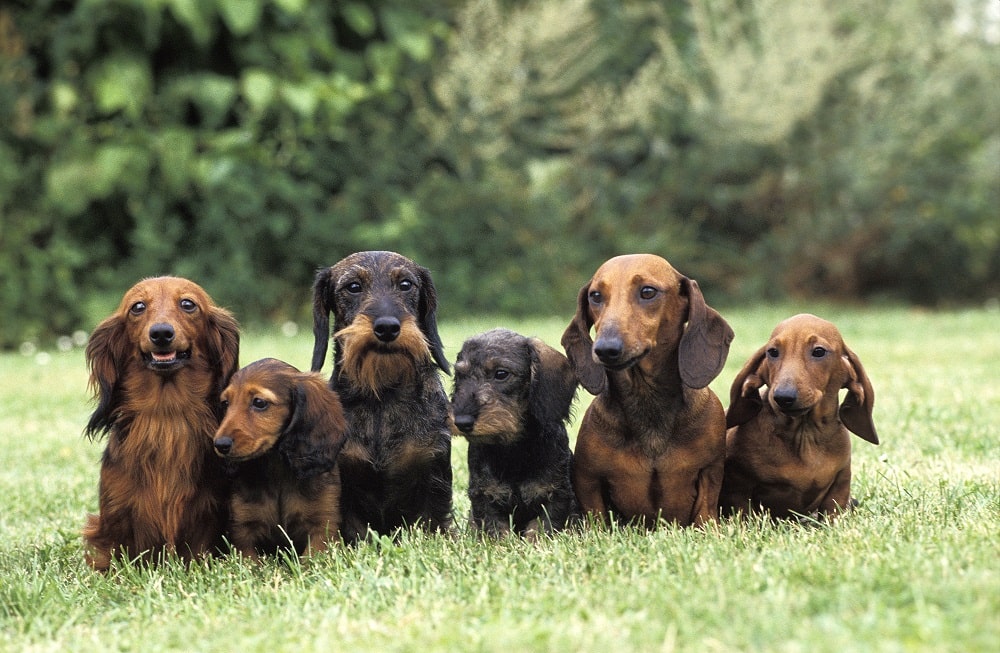
3. Dachshund sizes and coats: smooth, wirehaired, and longhaired varieties
- Dachshunds come in three different coat types: smooth, wirehaired, and longhaired.
- Dachshunds come in a variety of sizes, with standard dachshunds weighing between 16 and 32 pounds, miniature dachshunds weighing 11 pounds or less, and toy dachshunds weighing 8 pounds or less.
- They are one of the smallest dog breeds in the world, with the miniature variety standing just 5-6 inches tall at the shoulder.
- The dachshund’s coat can vary in thickness and texture depending on the coat type, with wirehaired dachshunds having a coarser, more bristly coat than their smooth and longhaired counterparts.
- Dachshunds can have a wide range of coat colours and patterns, including black and tan, red, dapple, and piebald.
- Dachshunds can have either smooth, wire, or long hair coats, with each variety having its own unique grooming needs.
- The breed is recognized by the American Kennel Club and has its own breed standard, which outlines the physical and behavioural traits that are desired for the breed.
4. Dachshund personality traits: understanding their unique quirks
- They are known for their distinctive bark, which sounds like a deep howl.
- They are very active and love to run and play.
- Dachshunds are highly intelligent and can be trained to do a variety of tasks.
- They are very loyal and often bond strongly with one person.
- Dachshunds are known for their love of digging and may dig up your yard if not properly trained.
- Dachshunds are known for their stubbornness, which can make training challenging for some owners.
- Dachshunds are known for their love of toys and may become possessive of their favourites.
- Dachshunds are highly intelligent dogs and enjoy mental stimulation through games and puzzles.
- Dachshunds are very affectionate and love to cuddle with their owners.
- The breed is known for its distinctive “waddle” walk, which is caused by their short legs and long body.
- The breed is known for its stubbornness, but can also be very loving and loyal to their owners.
- Dachshunds have unique personalities and are known for their quirkiness, which has endeared them to many dog lovers around the world.
- The breed’s distinctive bark was developed to help hunters locate the dog underground while they were hunting.
- They are known for their love of cuddling and affection.
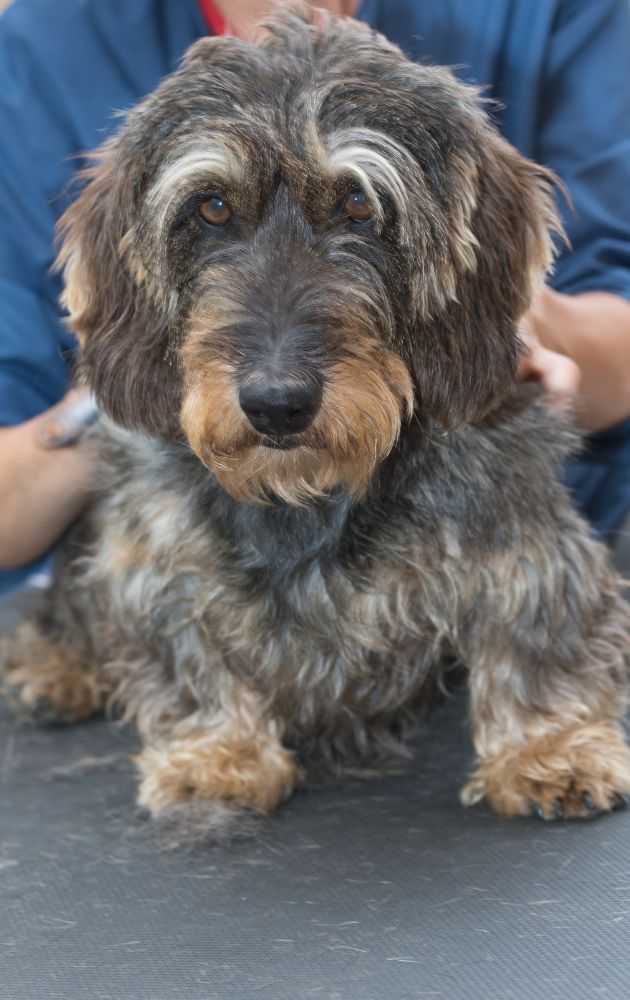
5. Common Dachshund health issues: IVDD, lifespan, and care tips
- They have a long lifespan, typically living 12-15 years.
- Dachshunds are prone to back problems, which can lead to paralysis.
- The world record for the oldest dachshund is 21 years and 11 months.
- Dachshunds are prone to obesity, so it’s important to monitor their diet and exercise.
- They have a tendency to become overweight, which can exacerbate their back problems.
- The dachshund’s elongated body shape can put a strain on their backs and spinal cords, leading to spinal issues like intervertebral disc disease (IVDD).
- The dachshund’s short legs and long body can make them prone to slipping on smooth floors, which can lead to injuries.
- The dachshund’s unique shape and size can make them prone to overheating in hot weather.
- The dachshund’s long body shape can make them prone to developing spinal arthritis as they age.
- Dachshunds are prone to dental issues, which can be prevented through regular teeth brushing and dental cleanings.
- The dachshund’s long, floppy ears can make them prone to ear infections, which should be treated promptly.
- The dachshund’s long body shape can make them prone to back injuries from jumping or falling.
- The breed’s short legs make them not very good swimmers, so they should always be supervised around water.
- The breed has been the subject of controversy over the years, with some people expressing concern over their potential health issues due to their unique body shape.
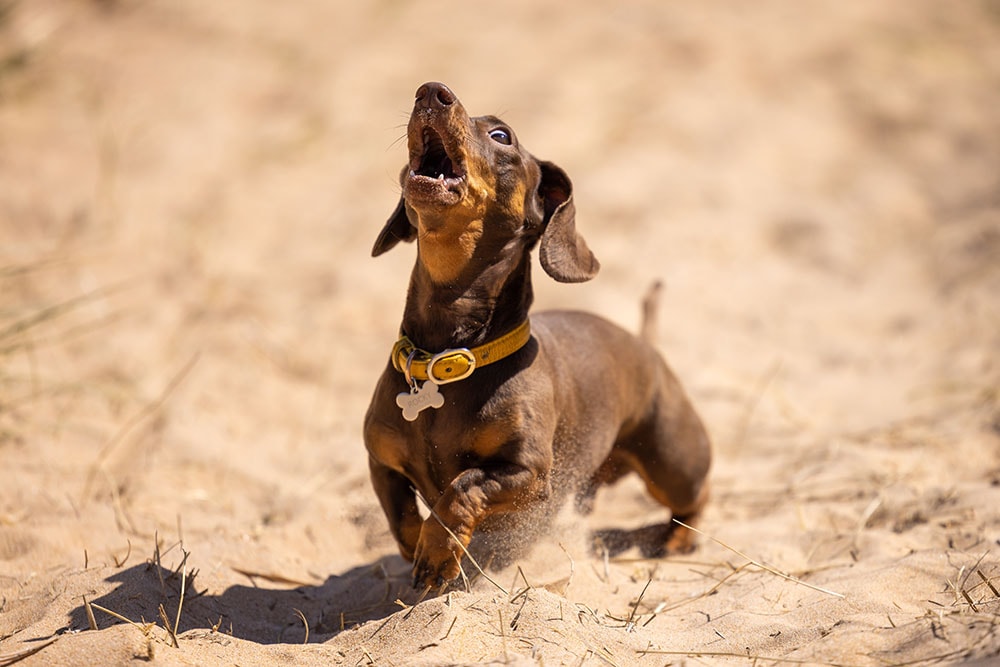
6. Training and living with a Dachshund: tips for Doxie parents
- They have a strong prey drive and may not be good with small pets like cats or rabbits.
- They are often used as therapy dogs because of their friendly and affectionate nature.
- Dachshunds are excellent watchdogs and will alert their owners to any potential danger.
- Dachshunds have a strong prey drive and may not be good with small children.
- Dachshunds are prone to separation anxiety and may become destructive if left alone for long periods of time.
- They have a keen sense of hearing and can hear sounds that humans cannot.
- They are social animals and love to be around people and other dogs.
- Dachshunds have a high prey drive and may chase small animals, including birds and squirrels.
- They are a versatile breed and can be trained for a variety of tasks, including hunting, tracking, and obedience.
- Dachshunds have a strong sense of loyalty and will do anything to protect their families.
- They are often used as service dogs for people with disabilities.
- Dachshunds are very adaptable and can live in a variety of environments, including apartments and small houses.
- Dachshunds are very vocal dogs and are known for their persistent barking.
- Despite their small size, dachshunds have a lot of energy and require regular exercise to stay healthy.
- Dachshunds have a strong prey drive and may be prone to chasing other animals, which can sometimes lead to conflicts with larger dogs.
- Dachshunds are often used as therapy dogs because of their affectionate and calming nature.
- Dachshunds have been known to participate in a variety of dog sports, including agility, obedience, and flyball.
- Dachshunds have a reputation for being difficult to house train, which may be due to their stubborn nature.
- The breed is known for being good with children but may be less tolerant of rough play due to their small size and delicate backs.
- The dachshund’s small size and adaptability make them a popular choice for apartment dwellers.
- The breed’s hunting instinct may make them prone to digging up gardens and flowerbeds.
- Dachshunds may be prone to excessive barking, which can be managed through proper training and socialization.
- The dachshund’s hunting instinct may make them prone to chasing after small animals, which can be dangerous if they run into traffic.
- Dachshunds have been known to form strong bonds with other dogs, including those that are much larger than them.
- Dachshunds can be trained to perform a variety of tricks and tasks, including fetching, agility courses, and even playing musical instruments.
- Dachshunds are generally friendly with strangers, but proper socialization during puppyhood is still important to prevent any fear or aggression.
- Dachshunds love digging, so it’s important to provide them with appropriate outlets for their energy and instincts.
- Dachshunds are skilled at escaping from enclosed areas and may require special precautions to keep them safely contained.
- Dachshunds are often used as emotional support animals due to their loving and affectionate nature.
- Dachshunds may not be suitable for homes with small children, as they can be easily injured due to their small size and delicate build.
7. Fun facts and pop culture: the famous “Wiener Dog”
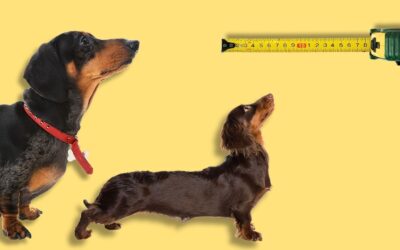
- Dachshunds are also known as sausage dogs, wiener dogs or hot dog dogs due to their long, cylindrical body shape.
- Dachshunds were featured in the animated movie “The Secret Life of Pets”
- They are often used in movies and TV shows because of their distinctive appearance.
- The dachshund’s popularity exploded in the United States after the 1958 Disney film “The Ugly Dachshund“.
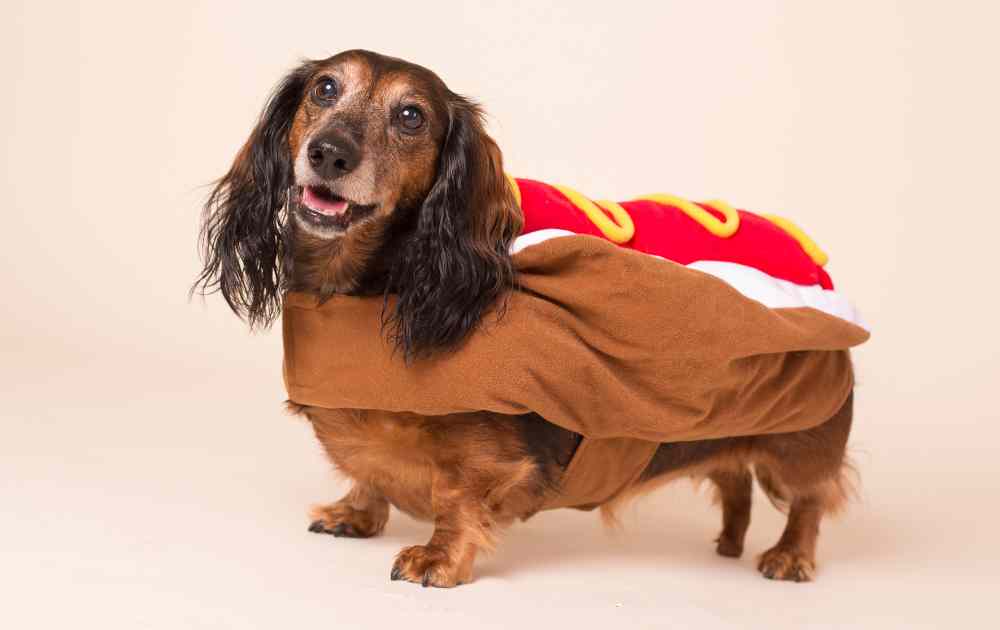
- The breed is known for its “hot dog” shape, which has led to some creative costumes and decorations on National Hot Dog Day.
- The breed is sometimes called the “wiener dog” or “doxie” for short.
- The breed is considered to be one of the most popular small dog breeds in the United States.
- Dachshunds have been used in a variety of advertising campaigns, including the famous Oscar Mayer Wienermobile.
- Dachshunds have been featured in several popular movies and TV shows, including Lady and the Tramp and The Simpsons.
- The breed has been used as a mascot for several organizations and sports teams, including the Vienna Philharmonic Orchestra and the Cincinnati Bengals.
Conclusion: one little dog, 100 big reasons to love them
It’s clear that the Dachshund is much more than just a “sausage dog” with a funny walk. From their brave history in the German wilderness to their modern-day status as the kings and queens of the couch, these 100 facts prove that Doxies are truly one of a kind. Whether they are burrowing into your laundry pile or standing guard at the front door, their loyalty and quirkiness make every day an adventure.
Now it’s your turn! Which of these facts surprised you the most? Does your Doxie have a unique quirk we didn’t mention?



0 Comments